-
 2026-05-31 20:50
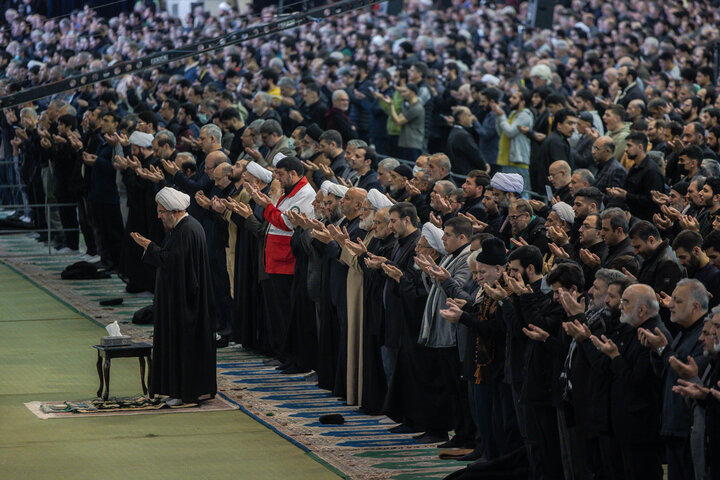
Trump blows hot and cold on deal to curb oil prices
US media report that Trump has sent Iran a tougher revised framework for review, once again underscoring the inconsistency of his negotiating stance
TEHRAN - President Donald Trump keeps shifting the goalposts amid ongoing efforts to finalize a memorandum of understanding (MoU) between Tehran and Washington to permanently end the US-Israeli war that began on February 28.
-
By Garsha Vazirian
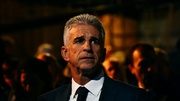
Dadi Barnea’s strategic suicide and Mossad’s unwitting gifts that strengthened Iran
TEHRAN – When David “Dadi” Barnea packs his boxes at the Mossad headquarters in Glilot this June, he will leave behind a shattered agency and a legacy defined by profound strategic incompetence.
-
By Wesam Bahrani
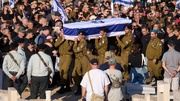
Hezbollah inflicts more casualties on Israeli troops
TEHRAN – The Zionist regime has reported increasing casualties among the Israeli Occupation Forces (IOF) as it attempts to portray its aggression and expanded occupation in southern Lebanon as a success.
-
Revelation: Truce in Gaza is a ‘joke’
‘Shooting Palestinian children while playing is documented’
TEHRAN - The Israeli combat soldier saw his teammates yelling in celebration, congratulating one another. They had just struck a vehicle of Palestinians driving near the Israeli-controlled part of the Gaza Strip, killing everyone inside.
-

By Bahram Hassanlou
Fear as a weapon: How Hegseth secretary institutionalized bullying in US domestic and foreign policy
TEHRAN - United States Secretary of War Pete Hegseth has long cultivated a "tough-guy" persona, but recent leaks and insider accounts reveal a psychological profile far darker than political theater. Hegseth operates on a foundational philosophy that "the most beautiful state a man can achieve is when others fear him."
-
By Batool Subeiti
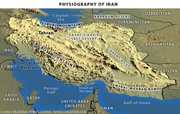
Iran’s emerging global role
LONDON - Submission and surrender do not exist in Iran’s political culture. Pressure instead leads to resilience and real efforts to solve problems under difficult conditions. It drives the search for alternatives to anything vulnerable to sanctions or threats. For example, the maritime blockade America seeks to impose on Iran forces Iran to develop alternative land and sea trade routes.
Politics
-
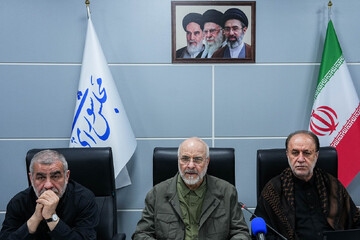
Qalibaf: No US deal without securing the Iranian people’s rights
TEHRAN – Parliament Speaker Mohammad Baqer Qalibaf has stressed that Tehran will not accept any agreement with Washington aimed at permanently ending the US-Israeli war unless the rights of the Iranian people are fully secured.
-
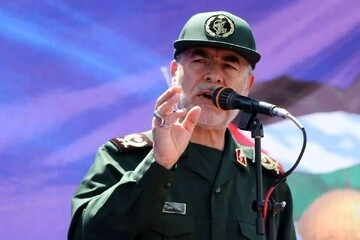
IRGC official says US options are limited to ‘bad or worse’
TEHRAN- A senior commander of the Islamic Revolution Guards Corps (IRGC) says Iran’s enemies made a strategic miscalculation in assessing the country’s capabilities and resolve, arguing that Tehran has emerged in a stronger position while the United States faces decline and failure.
-
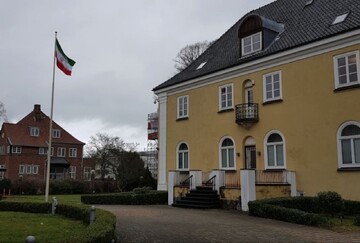
Iranian embassy in Denmark rejects allegations as 'baseless'
TEHRAN- The Iranian Embassy in Copenhagen has rejected allegations raised by Denmark’s intelligence and security service against the Islamic Republic, saying the accusations are part of a broader effort to politically and internationally isolate Iran rather than the result of any proven threat against Denmark or other Western countries.
Sports
-

Defensive concerns cloud Iran’s World Cup preparations
TEHRAN - Iran’s road to the 2026 FIFA World Cup continues to be accompanied by a growing concern: the national team’s fragile defensive structure.
-
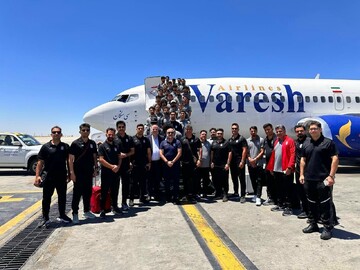
Iran U23s touch down in Antalya for high-stakes training camp
TEHRAN – The Iran U23 national football team have officially departed Tehran for Antalya, Turkey, embarking on a pivotal 12-day training camp.
-

Iran sends six Greco-Roman wrestlers to Mongolia
TEHRAN – Six Iranian Greco-Roman wrestlers will represent Iran at the Ulaanbaatar Open Ranking Series 2026.
Culture
-
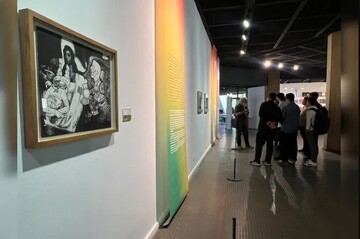
Mexican Ambassador to Tehran appreciates “Art & War” exhibition at TMoCA
TEHRAN – The Ambassador of Mexico to Tehran Guillermo Puente Ordorica has shared a message regarding the exhibition “Eleven Artworks by Mexican Printmakers,” which is underway at the Tehran Museum of Contemporary Art (TMoCA).
-
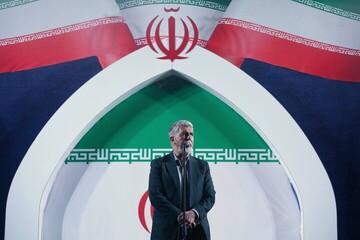
Iranian people’s street presence prevented enemy’s psychological warfare, culture minister says
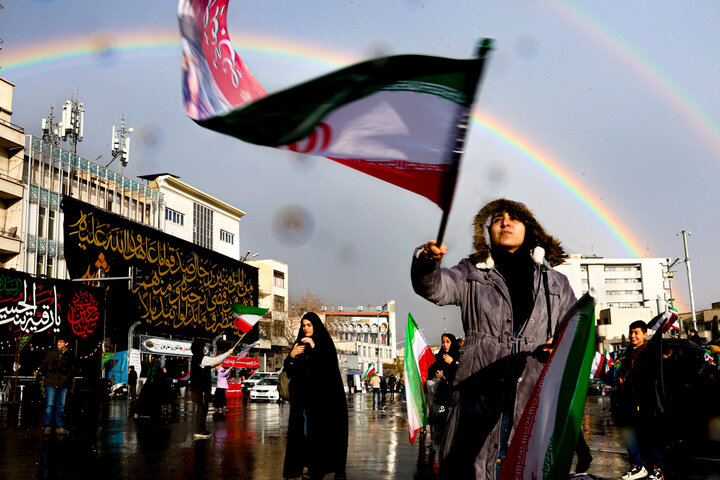
TEHRAN- Minister of Culture and Islamic Guidance Seyyed Abbas Salehi addressed a massive crowd at Tehran’s Enghelab Square on Saturday night, marking the 90th consecutive day of national resilience, declaring that the Iranian people’s presence in the streets has served as an elixir that amplified bravery across the nation.
-

Iranian feature film “People’s Child” participating in 66th Zlín Film Festival
TEHRAN – The Iranian feature film “People’s Child” directed by Mahmoud Karimi is present at the 66th Zlín Film Festival - International Film Festival for Children and Youth – which is underway in Zlín, Czech Republic.
Economy
-

Iran war costs US households nearly $450 in extra fuel expenses
TEHRAN – American households have paid nearly $450 more on energy-related expenses since the outbreak of the Iran war, according to a Moody’s Analytics analysis shared exclusively with CNBC.
-
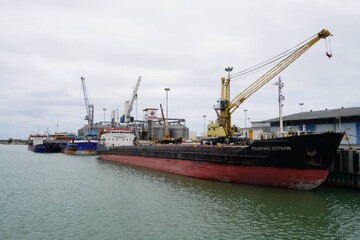
Transfer of trade corridors from south to north; Iran's new trade map unveiled
TEHRAN- The comprehensive plan to change the country's trade corridors, aimed at countering the economic siege and gradually shifting trade from southern ports to northern ports and land borders, has entered the implementation phase.
-
Analysts raise oil forecasts as energy flows slow down
TEHRAN- A monthly poll released on Friday showed that analysts have raised their oil price forecasts to 2026 for the third time since the Iran War began in February. They cite an 'extended timeline' for normalizing energy flows back to pre-conflict levels, according to a Reuters report.
Society
-
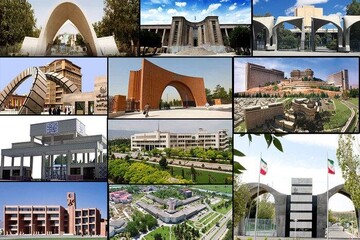
10 Iranian universities in QS ranking 2026 by subject
TEHRAN –The 16th edition of the Quacquarelli Symonds (QS) World University Rankings by Subject 2026 has included 10 Iranian universities in three broad subject areas.
-
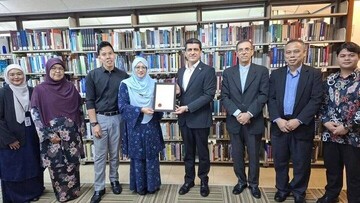
Science ministry ready to resume teaching Persian Literature course in UPM
TEHRAN – Iran’s scientific counselor in East Asia, Australia, and New Zealand, Alireza Tavakolpour, in a meeting with officials of Universiti Putra Malaysia (UPM), has announced the science ministry’s readiness to reopen the Persian Language and Literature course in UPM.
-
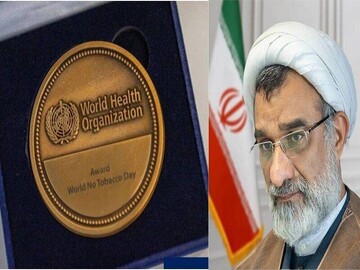
Iran wins WHO World No Tobacco Day award
TEHRAN – Abdolhossein Khosropanah, Secretary of the Supreme Council of the Cultural Revolution and Behzad Valizadeh, former head of National Tobacco Control Secretariat have received the World Health Organization (WHO) for their outstanding contributions to tobacco control.
Tourism
-
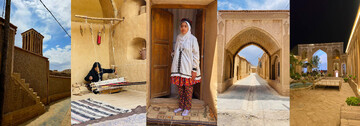
Riab, an example of heritage preservation, sustainable tourism and community participation
TEHRAN – The historical village of Riab in eastern Iran is emerging as a leading example of heritage preservation, sustainable tourism and community participation as it seeks international recognition through the United Nations Tourism (UN Tourism) Best Tourism Villages initiative.
-
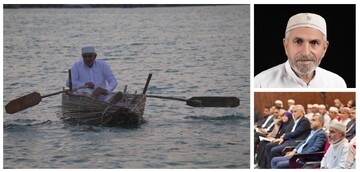
Zobeiri: Guardian of the Persian Gulf’s millennia-old heritage
Until recently, few imagined human presence on Iran’s Persian Gulf islands extended beyond the last millennium. But archaeological research has transformed this understanding. Excavations on Qeshm Island pushed settlement back nearly 5,000 years, while stone tools on Bam-e Qeshm hinted at an even older past. The discovery of Paleolithic sites on Hormuz Island—Chand-Derakht and Sang-e Ghorab—revealed that Middle Paleolithic populations lived there between 150,000 and 40,000 years ago, highlighting the Persian Gulf’s role in early human migrations. Long before these scientific findings, Master Mohammad Zobeiri had already grasped this deep historical continuity, preserving it in the Deyrestan Anthropology Museum and his book Ganz-e Bapu.
-

Ancient tombstone motifs inspire new designs for textiles and handicrafts
TEHRAN – Researchers and artists studying the carved motifs of an ancient cemetery near Qale-Shadab mountain, southwestern Iran, say the unique designs found on centuries-old tombstones could provide inspiration for contemporary textile design, handicrafts and local cultural industries.
International
-
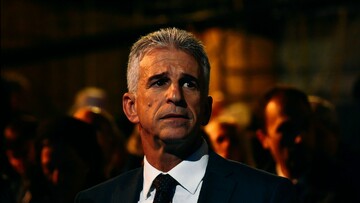
Dadi Barnea’s strategic suicide and Mossad’s unwitting gifts that strengthened Iran
TEHRAN – When David “Dadi” Barnea packs his boxes at the Mossad headquarters in Glilot this June, he will leave behind a shattered agency and a legacy defined by profound strategic incompetence.
-
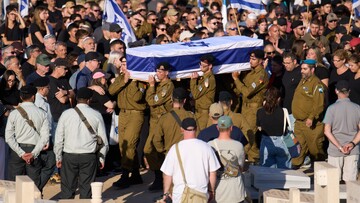
Hezbollah inflicts more casualties on Israeli troops
TEHRAN – The Zionist regime has reported increasing casualties among the Israeli Occupation Forces (IOF) as it attempts to portray its aggression and expanded occupation in southern Lebanon as a success.
-
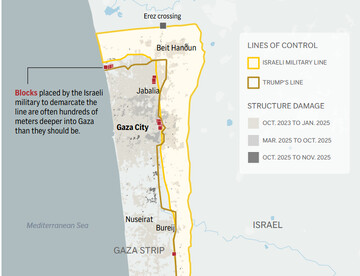
Revelation: Truce in Gaza is a ‘joke’
TEHRAN - The Israeli combat soldier saw his teammates yelling in celebration, congratulating one another. They had just struck a vehicle of Palestinians driving near the Israeli-controlled part of the Gaza Strip, killing everyone inside.

Most Viewed
-
Newspaper, Issue 15336, 8 pages
-
Bajestan: A quiet treasure beyond Iran’s tourist trail
-
Iran’s national unity shatters Mossad’s regime-change calculus
-
Shushtar aims to become global model for linking heritage and economy
-
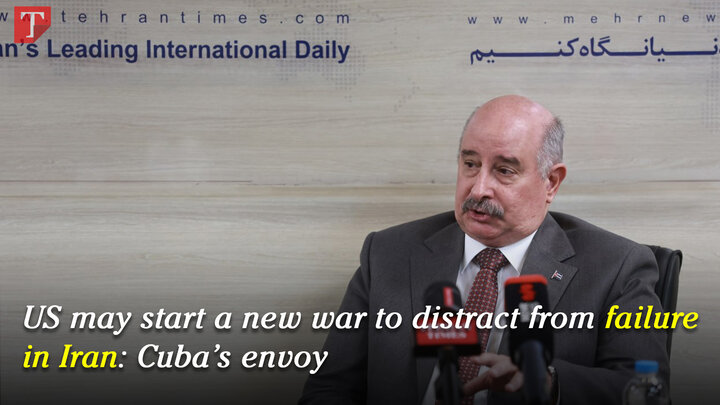
US may start a new war to distract from failure in Iran: Cuba’s envoy
-
OCHA lauds IRCS for ‘effective and valuable’ management of human crises
-
Mashhad mayor urges global urban forum to condemn attacks on civilian infrastructure
-
'Cuba will fight if we must fight'
-
Leader’s advisor: Trump is ‘betraying diplomacy’ for the third time
-
Medical journal warns of implications of Pasteur Institute of Iran's destruction across EMR
-
DOE details measures to strengthen preservation of natural habitats
-
World No Tobacco Day: unmasking the appeal – countering nicotine and tobacco addiction
-
Revisiting US-Iran role projection: An emerging "self" vs. a tarnished "image"
-
Hezbollah wages heroic resistance against Israeli aggression
-
Iranian strike on US Base in Kuwait injures American military personnel: Bloomberg