-
 2026-05-22 20:43
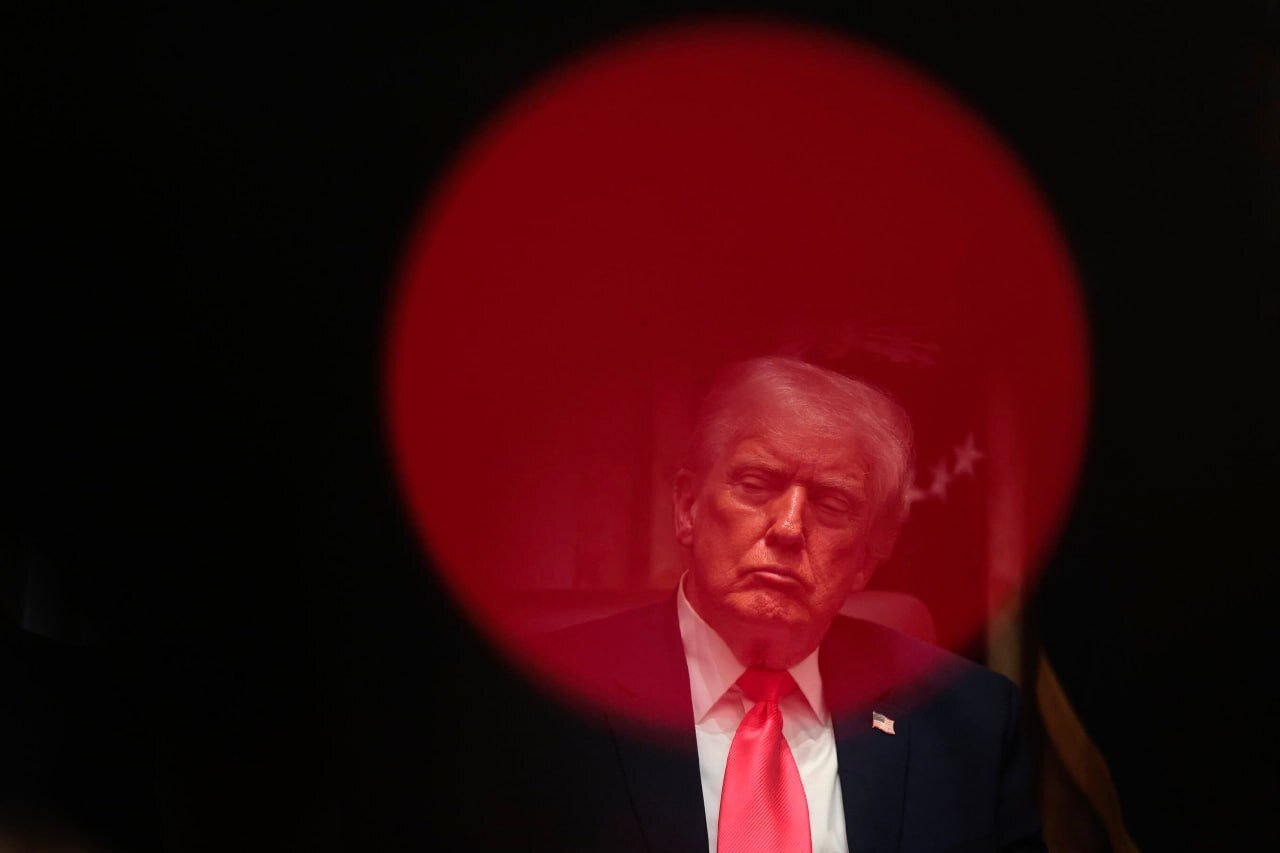
Is Trump’s diplomacy a ruse?
Field Marshal Asim Munir arrives in Tehran to advance mediation efforts between Iran and the US
TEHRAN - Despite diplomatic efforts, mainly involving Pakistan, to secure a permanent end to the US-Israeli war on Iran, President Donald Trump appears determined to maintain pressure on Tehran rather than seek a lasting political settlement.
-
Disgusting remarks against Sumud activists
Ben Gvir tramples human dignity of philanthropists
TEHRAN — Israeli Transport Minister Miri Regev has boasted about the mistreatment of activists from the Global Sumud Flotilla detained by Israel, saying that “prison is the place for terrorism supporters”.
-
By Garsha Vazirian
We can all thrive when the Abu Dhabi syndicate folds
TEHRAN — The Al Nahyan crime family has achieved a grim, singular trifecta: it has alienated its local citizenry, reduced its nine-million-strong migrant workforce to indentured cogs, and transformed a historic mercantile hub into a forward-operating base for the genocidal U.S.-Israeli military-intelligence complex.
-
By Wesam Bahrani
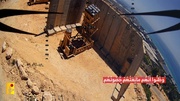
Hezbollah drones wreak havoc on IOF in southern Lebanon
TEHRAN – Hezbollah continues to confront Israeli Occupation Forces (IOF) in southern Lebanon and target soldier and vehicle gatherings with drones.
-
By Batool Subeiti
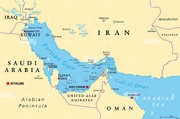
Iran’s red lines and America’s shrinking options
LONDON - The Iranian response to the United States has so far included all the principles that cannot be compromised. It focuses decisively on Iran’s rights, which it says are non-negotiable. The response emphasizes the key points that must be part of any agreement, namely three fundamental issues: Firstly, Iran’s control over the Strait of Hormuz as part of its geography, considering it a right that cannot be compromised, along with establishing mechanisms to regulate ship passage.
-
Iran condemns US sanctions on envoy to Beirut, Lebanese officials
TEHRAN- The Iranian Foreign Ministry has strongly condemned the US Treasury Department’s “illegal and unjustified” sanctions against Mohammad Reza Raouf Sheibani, Iran’s ambassador-designate to Beirut, as well as several Lebanese officials and citizens.
Politics
-
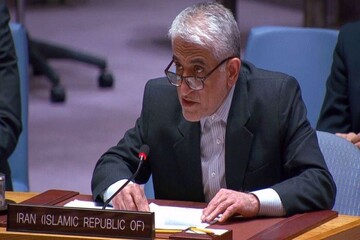
Iran envoy condemns UNSC silence over US threats and war crimes
TEHRAN- Iran’s ambassador and permanent representative to the United Nations has sharply criticized the UN Security Council for its silence regarding US threats against Iran and violations of international humanitarian law during the recent conflict involving the United States and Israel.
-
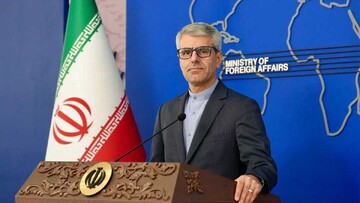
Iran’s Foreign Ministry spokesman named the official voice of ‘Minab 168’ negotiating team
TEHRAN - Iran has appointed Foreign Ministry spokesman Esmaeil Baghaei as spokesperson for its delegation in talks with the United States.
-
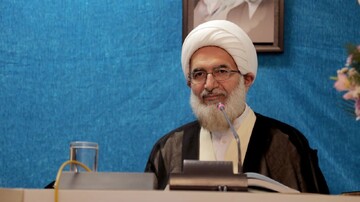
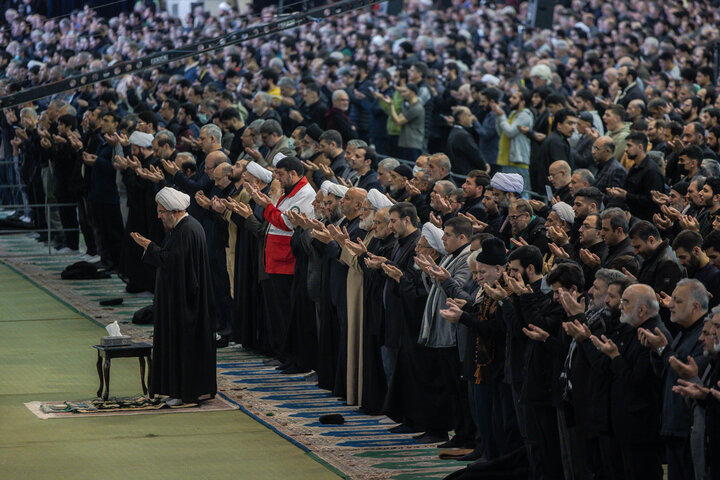
Tehran Friday prayers leader says Iran will overcome challenges
TEHRAN – Tehran’s interim Friday prayers leader said Iran will successfully overcome current challenges and hardships despite 'ongoing conspiracies and pressure campaigns orchestrated by the country’s adversaries.'
Sports
-

Hajimousaei wins Iran’s fourth gold at 2026 Asian Taekwondo Championships
TEHRAN – Iran’s Mahdi Hajimousaei won a gold medal at thethird day of the 27th Asian Taekwondo Championships underway in Ulaanbaatar, Mongolia.
-
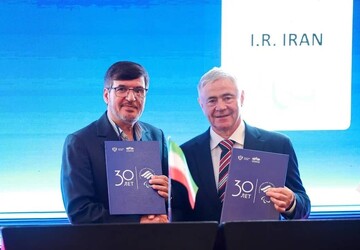
Iran and Russia NPCs ink MoU
TEHRAN - In a significant move to bolster international cooperation in para-sports, the National Paralympic Committees (NPCs) of Iran and Russia have officially inked a Memorandum of Understanding (MoU) aimed at fostering bilateral development.
-
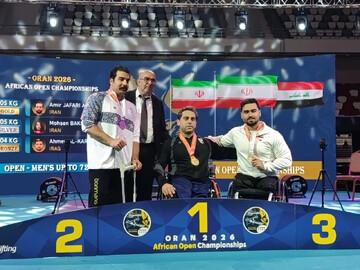
Iranian powerlifters win golds at Oran 2026
TEHRAN – Amir Jafari and Mohsen Bakhtiar claimed two gold and one silver medal at the Oran 2026 Para Powerlifting African Open Championships on Friday.
Culture
-
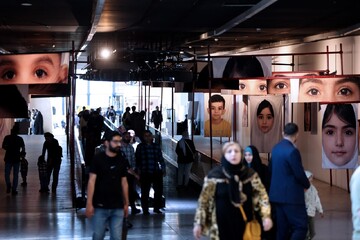
“Eyes of Minab” installation honors martyred children at Tehran Book Garden
TEHRAN- Following its initial display at Tajrish Square, the art installation titled "Eyes of Minab" has been relocated to the Khialestan walkway of the Tehran Book Garden, drawing public attention once again to the tragic martyrdom of schoolchildren in southern Iran.
-

Iranian short film “Myanmar” wins two awards at Fisheye International Film Festival
TEHRAN – The Iranian short film “Myanmar,” written and directed by Hannaneh Daliri, has won two awards at the 11th Fisheye International Film Festival, which was held in early May in the UK.
-
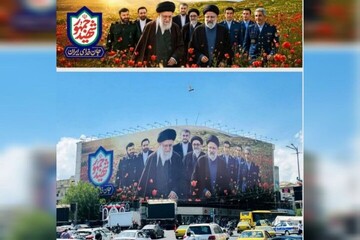
New Enqelab Square mural honors martyred Leader, President
TEHRAN- On the occasion of the second anniversary of the tragic helicopter crash that claimed the lives of former President Ebrahim Raisi and his companions, known as martyrs of service, a new large-scale mural was unveiled on Thursday at Tehran's Enqelab Square.
Economy
-

How war on Iran affects world economy beyond energy
TEHRAN – Official data released Thursday reveals that Japanese vehicle exports to West Asia collapsed by more than 90 percent in April, both in value and volume, as the ongoing U.S.-Israeli war against Iran crippled maritime shipping to a region that major automakers such as Toyota and Nissan have long relied upon.
-
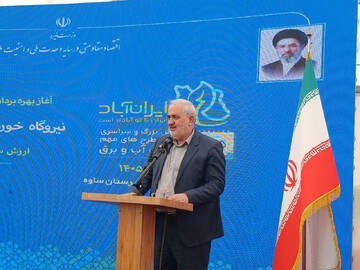
Government policy is to rebuild war-damaged infrastructure: energy minister
TEHRAN- The Energy Minister said the government's policy is to rebuild infrastructure damaged by the aggression of the US-Zionist enemy, and wherever it has been destroyed during this period, it will be rebuilt better than before.
-
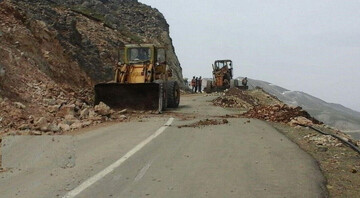
Over 2,100 road maintenance machinery, equipment renovated, reconstructed in a year
TEHRAN- The Director General of the Road Maintenance Operations, Machinery, and Crisis Management Department of the Road Maintenance and Transportation Organization announced the renovation, overhaul, repair, and commissioning of 2,152 road maintenance and winter machinery and equipment in the past Iranian calendar year 1404 (Ended on March 20).
Society
-
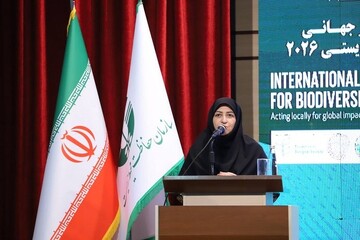
National event on ‘Iran’s biodiversity’ being held
TEHRAN – Organized by the Department of Environment (DOE), the national event on Iran’s biodiversity kicked off on Saturday in Sari, Mazandaran province, and will run till Sunday.
-
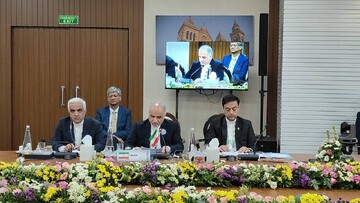
Iran proposes establishment of BRICS arbitration center to resolve disputes
TEHRAN – Attending the BRICS Justice Ministers Meeting, Amin-Hossein Rahimi, Iran’s Justice Minister, has proposed the establishment of a dedicated BRICS arbitration center to help resolve disputes among member states, stressing the importance of international law and peaceful legal mechanisms for economic cooperation.
-
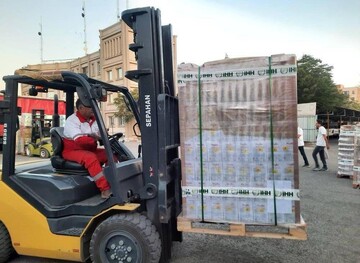
IRCS gets third aid cargo from Turkey
TEHRAN – The Iranian Red Crescent Society (IRCS) received the third consignment of humanitarian aid dispatched by IHH Turkish Humanitarian Relief Foundation on Wednesday.
Tourism
-
Chinese audience embraces Iran’s Golestan Palace in TV program
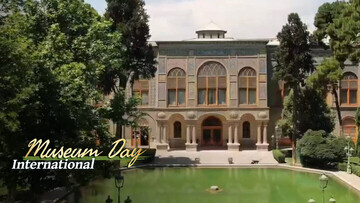
TEHRAN - A video showcasing Iran’s UNESCO-listed Golestan Palace has drawn engagement from Chinese audiences after being broadcast by China’s state-owned broadcaster China Global Television Network as part of a program marking International Museum Day.
-
Isfahan positioned as regional medical tourism hub as Iran plans integrated health system
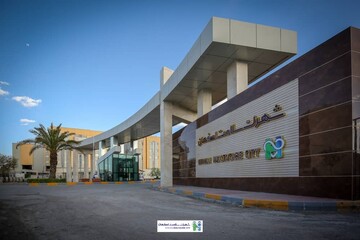
ISFAHAN - Iran is seeking to strengthen its position as a regional hub for medical tourism by leveraging its specialist physicians, advanced treatment centers and competitive costs, tourism minister said during a visit to Isfahan’s Healthcare City.
-
UK academics warn of war damage to Iran’s cultural heritage
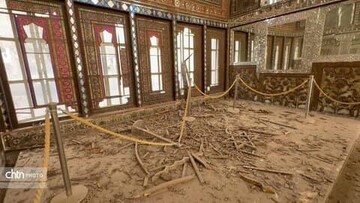
TEHRAN – A group of prominent British academics, museum curators, and fellows of the British Academy has expressed deep concern over reported damage to Iran’s UNESCO-registered world heritage sites amid war with the US and Israeli regime.
International
-
Disgusting remarks against Sumud activists
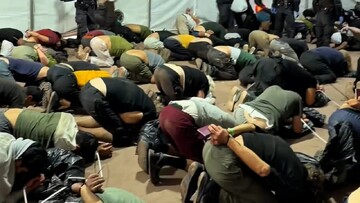
TEHRAN — Israeli Transport Minister Miri Regev has boasted about the mistreatment of activists from the Global Sumud Flotilla detained by Israel, saying that “prison is the place for terrorism supporters”.
-
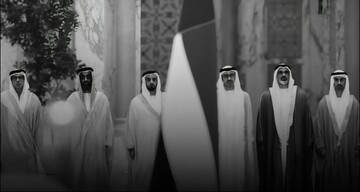
We can all thrive when the Abu Dhabi syndicate folds
TEHRAN — The Al Nahyan crime family has achieved a grim, singular trifecta: it has alienated its local citizenry, reduced its nine-million-strong migrant workforce to indentured cogs, and transformed a historic mercantile hub into a forward-operating base for the genocidal U.S.-Israeli military-intelligence complex.
-
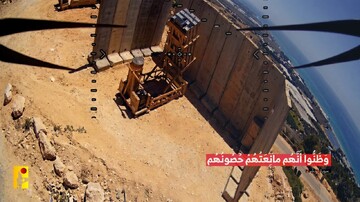
Hezbollah drones wreak havoc on IOF in southern Lebanon
TEHRAN – Hezbollah continues to confront Israeli Occupation Forces (IOF) in southern Lebanon and target soldier and vehicle gatherings with drones.


Most Viewed
-
We can all thrive when the Abu Dhabi syndicate folds
-
Is Trump’s diplomacy a ruse?
-
Iran’s red lines and America’s shrinking options
-
Hezbollah drones wreak havoc on IOF in southern Lebanon
-
Zagros Paleolithic Museum damaged by blast wave from recent US strikes
-
Strategic view of Iran-China rail corridor, a prerequisite for preserving Iran’s position in Silk Ro
-
Strait of Hormuz closure shakes Europe: Oil price forecast soars 46%
-
Disgusting remarks against Sumud activists
-
Iran’s Foreign Ministry spokesman named the official voice of ‘Minab 168’ negotiating team
-
Iran condemns US sanctions on envoy to Beirut, Lebanese officials
-
Iran government pledges support for rural eco-lodges, village revival
-
National, regional railway museums planned to preserve industrial heritage
-
“Eyes of Minab” installation honors martyred children at Tehran Book Garden
-
European tourists shift travel plans closer to home amid West Asia conflict
-
Pezeshkian: Government fully supports strengthening armed forces