-
 2026-06-05 15:17
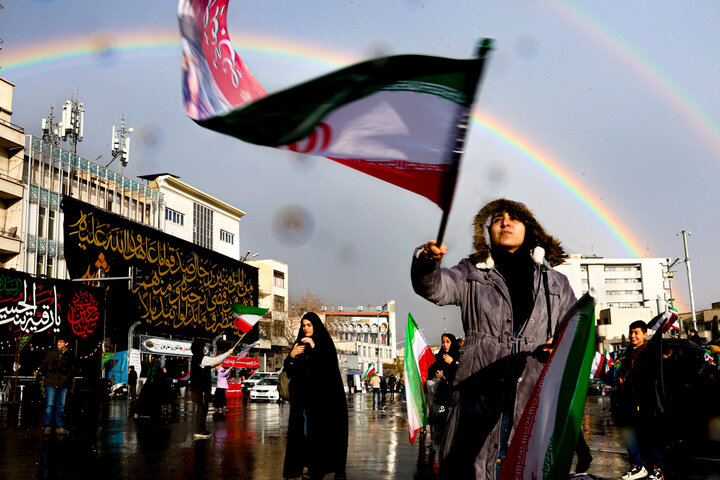
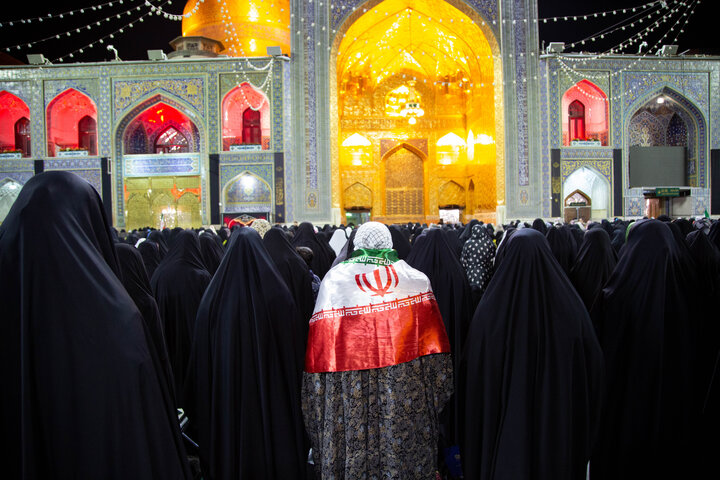
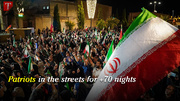
Iranians hold magnificent ‘Ghadir Celebration’
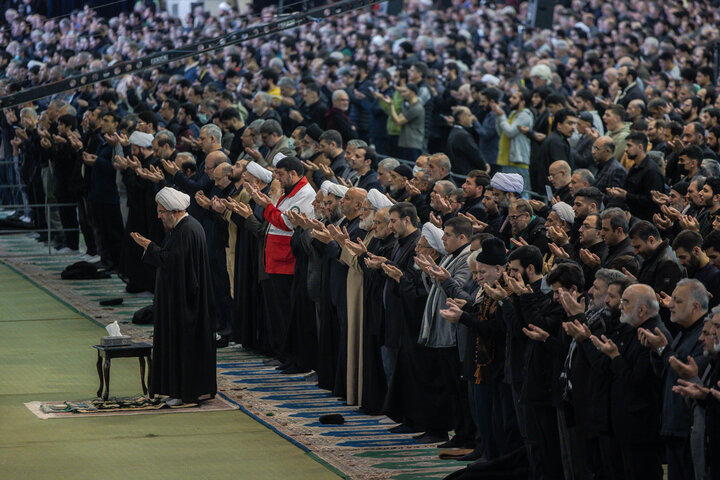
TEHRAN - Millions of people across the country marked Eid al-Ghadir on Thursday, holding a celebration which evolved beyond just a religious festival into a major display of social unity.
-
UNESCO designates Dalankuh–Qamishlou as Iran’s 14th biosphere reserve
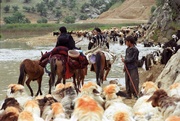
TEHRAN - On World Environment Day (June 5), the United Nations Educational, Scientific and Cultural Organization (UNESCO) designated Dalankuh–Qamishlou as Iran’s 14th biosphere reserve.
-

Leader: Israel and US shift to hybrid warfare after military setbacks
TEHRAN – Leader of the Islamic Revolution Ayatollah Seyyed Mojtaba Khamenei has warned that Israel and the United States have intensified efforts to wage psychological and hybrid warfare against Iran after failing to achieve their objectives through military confrontation, urging the Iranian nation to preserve unity and resilience in the face of growing external pressure.
-

By Ali Hamedin
General Hollywood: Pentagon’s propaganda operation on silver screen: Part 1
TEHRAN- “10 years from now you'll have Hollywood movies about how bombing an Iranian girls school made US soldiers sad.”
-
By Garsha Vazirian
How the antifragile fusion of Ghadir and Ashura shields the Islamic Republic
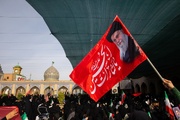
TEHRAN — Western intelligence agencies consistently miscalculate the endurance of the Islamic Republic of Iran because they rely on a fragile, linear epistemology.
-

By Wesam Bahrani
Netanyahu “rejects” withdrawal from South Lebanon
TEHRAN – Netanyahu reportedly has no plans to withdraw occupation forces from southern Lebanon in the foreseeable future, as aggression against towns and villages across the region continues.
Politics
-

Ayatollah Khamenei approves pardons, sentence reductions for over 2,000 convicts
TEHRAN - Iran’s Leader has approved pardons or sentence reductions for more than 2,000 convicted individuals ahead of Eid al-Ghadir, a major Islamic festival, according to the Judiciary.
-

Top diplomat: Tehran is ready to rebuild relations with UAE
TEHRAN – Iran has reiterated its readiness to rebuild and expand relations with the United Arab Emirates despite tensions stemming from the recent Israeli aggression against the Islamic Republic, with Foreign Minister Abbas Araghchi stressing that Tehran remains committed to strengthening ties with its southern neighbor based on mutual respect and regional cooperation.
-

Iran’s Navy pushes American destroyers out of Sea of Oman
TEHRAN - Iran’s Army said on Friday that several American warships operating in the Sea of Oman were forced to withdraw from the region after Iranian naval forces carried out warning strikes using cruise missiles and advanced drones.
Sports
-

The beautiful game, the ugly politics: U.S. visa row hits World Cup credibility
TEHRAN - For decades, international sports governing bodies have promoted a simple principle: sport should unite people beyond politics, ideology, and diplomatic disputes.
-
Iran's football team granted visas to enter U.S.
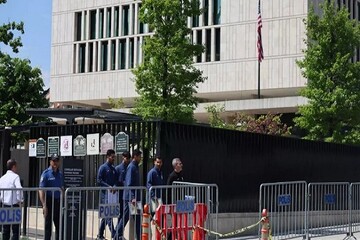
TEHRAN - Iran's football team have been granted visas to enter the U.S. ahead of the 2026 FIFA World Cup.
-

Iran wheelchair basketball head to Thailand for 2026 IWBF Repechage
TEHRAN - The Iran men’s national wheelchair basketball team have traveled to Suphanburi, Thailand, to compete in the 2026 IWBF Men's Repechage.
Economy
-
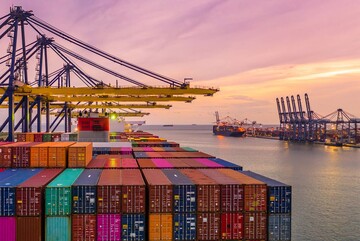
War on Iran drives maritime transport costs up by 80%
TEHRAN- According to a report by Anadolu News Agency, container freight spot rates have skyrocketed by 80% since the outbreak of the US Israel attack on Iran at the end of February. Trade flows in the Strait of Hormuz remain 90% below normal levels amid ongoing geopolitical uncertainties in West Asia.
-
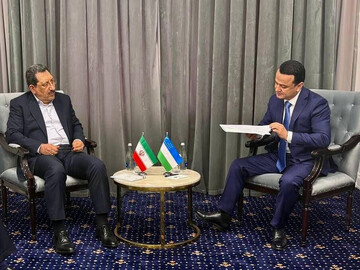
Iran, Uzbekistan stress expansion of trade exchanges
TEHRAN- The Iranian Minister of Industry, Mining and Trade met and held talks with the Minister of Investment, Industry and Trade of Uzbekistan on the sidelines of the Shanghai Cooperation Organization's Industry Ministers' Meeting.
-
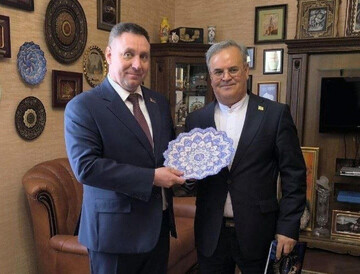
Iran, Belarus negotiate development of cooperation in agricultural sector
TEHRAN- The Deputy Minister of Agriculture and head of the Agricultural Research, Education and Extension Organization, during a trip to Minsk, met with the Minister of Agriculture of the Republic of Belarus and discussed the development of relations between the two countries.
Society
-
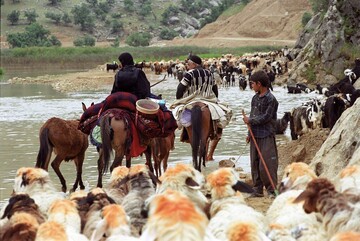
UNESCO designates Dalankuh–Qamishlou as Iran’s 14th biosphere reserve
TEHRAN - On World Environment Day (June 5), the United Nations Educational, Scientific and Cultural Organization (UNESCO) designated Dalankuh–Qamishlou as Iran’s 14th biosphere reserve.
-
Nanotech progress in Iran beyond just a scientific achievement
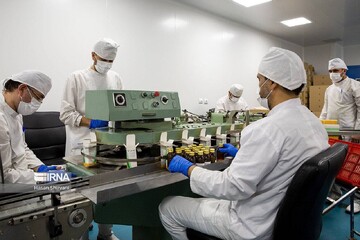
TEHRAN – With over 430 companies operating in the nanotechnology sector, and more than 1,960 nanotech products receiving nanoscale certificates, the advancement of the nanotechnology sector in the country proves to be more than just a scientific achievement.
-

Tehran moves up in Global Startup Ecosystem Index
TEHRAN – In a recent global ranking by StartupBlink 2026, Tehran’s position has advanced by 20 spots, ranking 348 among the world’s most innovative cities.
Tourism
-
Joint initiative planned to revive rural economy through tourism, digital connectivity
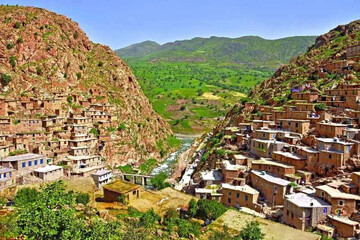
TEHRAN - Iran’s Minister of Cultural Heritage, Tourism and Handicrafts said on Saturday that his ministry and the Ministry of Information and Communications Technology are preparing a joint program aimed at creating jobs, expanding tourism and encouraging reverse migration to rural areas.
-

Pamnar’s landscape highlights potential for sustainable tourism and scientific research
TEHRAN – The mountainous region of Pamnar in Iran’s Khuzestan province is gaining attention for its geological significance, ecological diversity and potential for sustainable tourism development, according to geologist and tour guide Ali Habibnejad.
-
How Persian carpets weave time into art
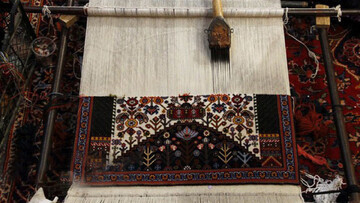
TEHRAN – Persian carpets are often introduced through familiar ideas: tradition, craftsmanship, heritage, and identity. While these remain essential, they do not fully explain why these objects continue to resonate, specifically with contemporary global audience increasingly attentive to timeless art.
International
-

How the antifragile fusion of Ghadir and Ashura shields the Islamic Republic
TEHRAN — Western intelligence agencies consistently miscalculate the endurance of the Islamic Republic of Iran because they rely on a fragile, linear epistemology.
-

Netanyahu “rejects” withdrawal from South Lebanon
TEHRAN – Netanyahu reportedly has no plans to withdraw occupation forces from southern Lebanon in the foreseeable future, as aggression against towns and villages across the region continues.
-

Germany is punished at the UN
TEHRAN - Germany’s failure to secure a temporary seat on the UN Security Council on Wednesday came as a blow to Berlin.


Most Viewed
-
“We were going to lose” the USS Gerald R. Ford, CNN reports on Iran war
-
General Hollywood: Pentagon’s propaganda operation on silver screen: Part 1
-
Iranians hold magnificent ‘Ghadir Celebration’
-
Leader: Israel and US shift to hybrid warfare after military setbacks
-
Top diplomat: Tehran is ready to rebuild relations with UAE
-
Germany is punished at the UN
-
How the antifragile fusion of Ghadir and Ashura shields the Islamic Republic
-
Iran’s Navy pushes American destroyers out of Sea of Oman
-
Traditional ecological knowledge in Pamnar reflects deep ties between nature and rural life
-
Pamnar’s landscape highlights potential for sustainable tourism and scientific research
-
Ayatollah Khamenei approves pardons, sentence reductions for over 2,000 convicts
-
Darak, where tourists rediscover coastal heritage, tropical agriculture and environment
-
Netanyahu “rejects” withdrawal from South Lebanon
-
Largest rooftop solar power plant in capital inaugurated
-
ECO ministerial meeting: Iran push for environmental diplomacy