Israel utterly failed to shield its protégé in Gaza
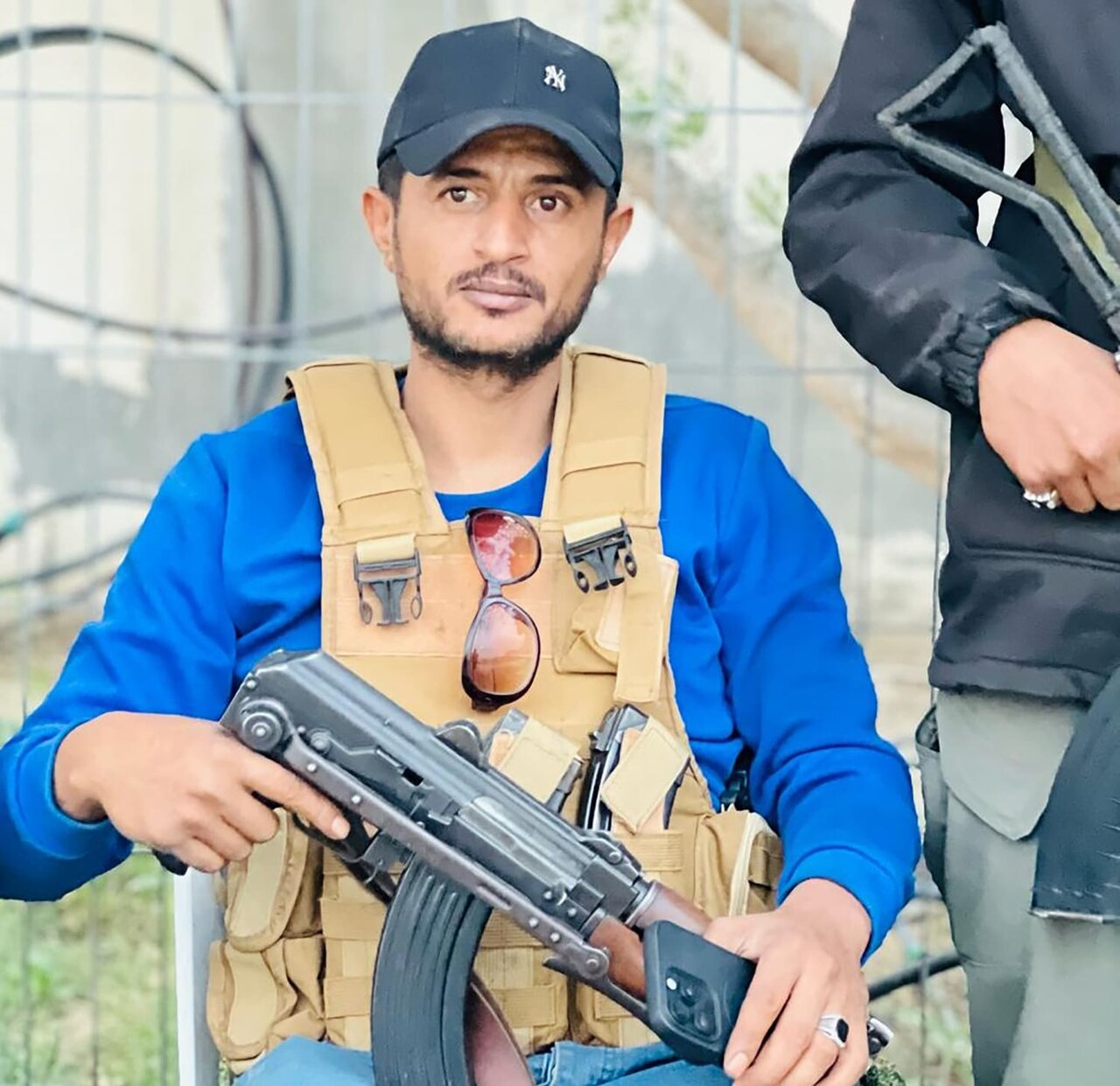
TEHRAN – The occupying Israeli regime suffered a setback after its most prominent militia leader was killed in Gaza.
Yasser Abu Shabab, along with several aides and his deputy, was killed in Rafah in southern Gaza, in what some reports described as a carefully planned ambush carried out by resistance factions.
The Israeli regime’s army radio was among the first to announce the news. According to Hebrew media, the regime’s authorities are examining whether Hamas members infiltrated Abu Shabab’s area of control and assassinated him.
Abu Shabab rose to prominence after investigative reports revealed that he had been collaborating with the IOF (the Israel Occupation Force), who supplied his militia with vehicles, weapons, and luxury goods in an effort to weaken the armed wing of Hamas. It was also found that members of the Israeli-backed militia had fought for Daesh.
The IOF then placed its militia’s headquarters under its direct protection in a small neighborhood in Gaza’s southern Rafah area, within territory still occupied under the so-called “yellow line”.
The location of this base is strategically significant because it lies along the main route used by aid trucks entering Gaza through the Karem Abu Salem crossing, giving the militia a clear advantage over the flow and control of incoming aid.
When the Israeli regime allowed only a small amount of desperately needed aid to enter Gaza, starving Palestinians rushed to distribution sites operated by the IOF and a U.S. company. At these sites, the Abu Shabab militia seized much of the aid for itself.
During the same period, both the militia and the IOF opened fire on Palestinians who were gathering in search of food, killing people in the midst of an ongoing genocide. The Israeli regime later released blurry drone footage of the shootings, attempting to shape a narrative that Hamas had been responsible for looting the aid and firing on its own population.
This level of coordination between Abu Shabab and the IOF, at a time when the UN was warning that Palestinians were starving to death, stands in sharp contrast to the story Abu Shabab presented to Western media. There, he claimed his actions were motivated by a desire to help the people of Gaza by attempting to overthrow Hamas.
Once imprisoned in Gaza on theft and drug-related charges, Abu Shabab escaped after an Israeli regime strike near the facility during the early stages of the genocidal war on the besieged enclave.
Shortly after the reports of his death, Gaza’s Radaa security force, affiliated with the Palestinian resistance, circulated a photo of Abu Shabab with a caption stating: “Just as we told you, the Israeli regime won’t be able to protect you”.
The Hebrew Kan network reported that the criminal had met with U.S. envoy Jared Kushner on November 11 at a U.S. command site in southern Israel, where they discussed the role of his forces in occupied areas outside Hamas control.
Hamas said that Abu Shabab’s killing represented the inevitable fate of anyone who chooses to collaborate with the Zionist regime. The group stated that his actions and those of his associates placed them outside the national and social consensus, and praised local families and tribes that disavowed him and anyone involved in attacks on Palestinians or cooperation with the IOF.
Hamas argued that the occupying regime’s reliance on socially marginalized and criminal groups to advance its objectives in Gaza reflected its inability to counter persistent resistance on the ground.
The movement added that the occupying regime had failed to protect its collaborators and asserted that anyone who endangers Palestinians or assists the IOF would lose all standing within their community.
Hamas concluded that the unity of Palestinian families, tribes, and national institutions remains a safeguard against attempts to erode Gaza’s social fabric and would not serve as a refuge for criminal groups or external agendas.
Within the Israeli regime, much of the discussion will now center on Abu Shabab, his actions, and whether the regime’s investment in him should be viewed as a “failure” or a “success.”
Yet it is increasingly evident that the broader Zionist regime’s strategy behind this investment, the idea that local militias or lightweight allies could stand in for a direct confrontation with a major adversary, has fundamentally collapsed.
Another blow for the regime domestically and abroad is its inability to build any meaningful political or social alternative to Hamas, despite nearly two years of genocidal war and claims that it was planning for a viable “day after” scenario.
Leave a Comment