Iran’s tea export increases 48%
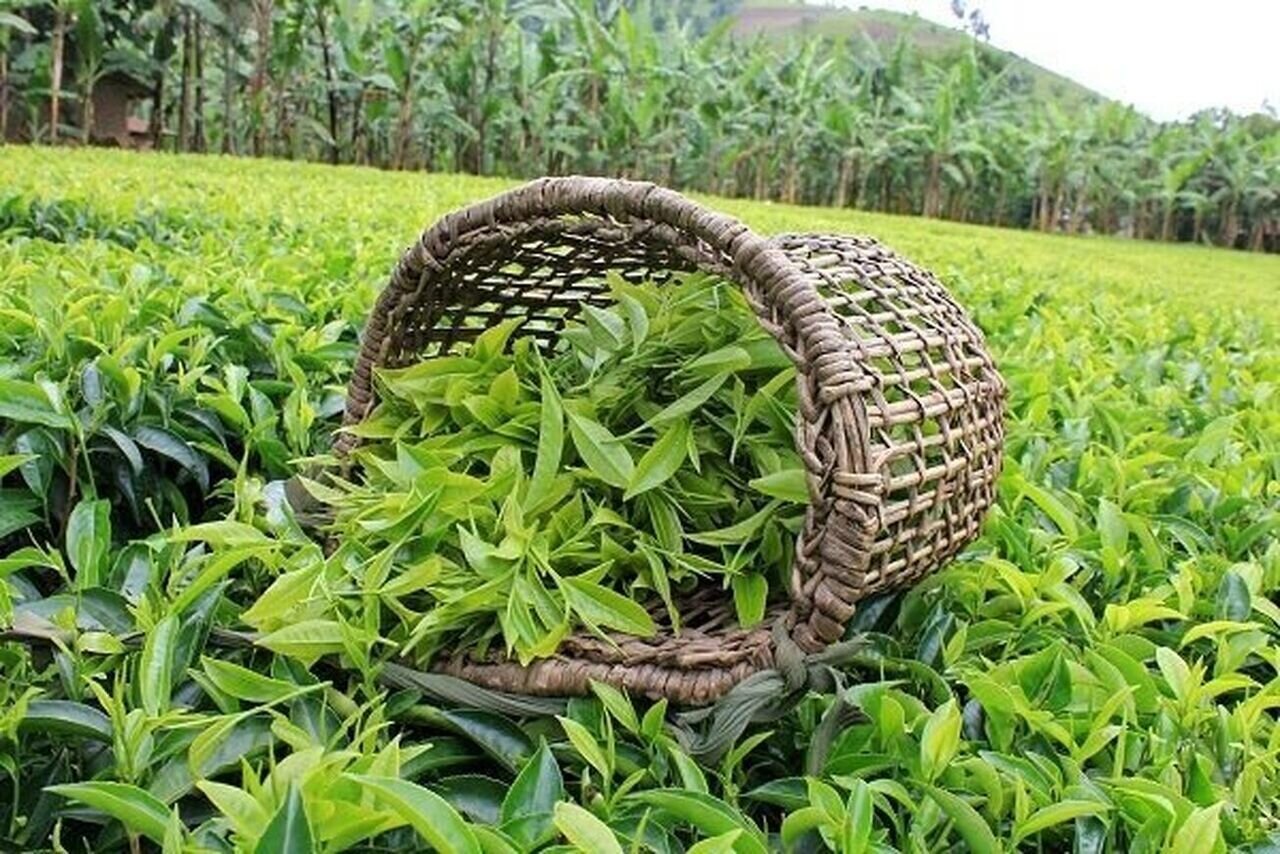
TEHRAN- The head of the Iranian Tea Organization said this (Iranian calendar) year (began on March 21), the country's tea exports have increased by 48 percent compared to the same period last year, and close to 9.8 million kilograms of tea were exported to foreign markets.
According to the Mehr News Agency, Habib Jahansaz, the head of the Iranian Tea Organization, elaborated on the latest support measures and development plans, the process of reviving and renovating tea gardens, the facilities provided, and import management.
He said: "Fortunately, following up on efforts, the Tea Organization has been maintained and continues its activities."
He added: "To support tea farmers, several fundamental programs have been implemented, including providing working capital facilities, insurance, and liquidity for the purchase of chemical fertilizers for tea farmers."
Referring to the cooperation of three banks in providing banking facilities with the Tea Organization, he said: "One private bank cooperates with the organization at a four-percent interest rate for garden renovation, revival, and mechanization operations with a three-year repayment period. Another bank cooperates for factory improvement with a 15-percent interest rate. A third bank cooperates for the working capital of garden owners and the development of factory mechanization at a four-percent interest rate with a three-year repayment period. These programs have enabled tea farmers to carry out the renovation and improvement operations of their gardens without financial concerns."
Jahansaz said: "This year, the country's tea exports have increased by 48 percent compared to the same period last year, and close to 9.8 million kilograms of tea have been exported to foreign markets. This amount of exports has generated over 12 million dollars in foreign currency earnings."
He added: "In terms of imports, it has been planned that imports will only be conducted according to the country's real needs to prevent the entry of surplus quantities."
The head of the Tea Organization stressed: "These measures have shifted the balance of trade in favor of domestic production. Higher-quality Iranian tea is now supplied in the domestic market, and consumers are encouraged to use domestic tea."
He stated the goals of the Tea Organization as focusing on increasing production, improving quality, supplying the domestic market, and developing exports.
He added: "Domestic tea production with diverse packaging, including green tea and herbal infusions, can increase its share in both the domestic and export markets."
Jahansaz further said: "Five-year plans and financial and insurance support have put Iran's tea industry on the path of sustainable development. With the continuation of garden revival and renovation, low-cost facilities, and mechanization development, the country's tea industry is not only able to meet domestic needs but has also strengthened its export capacity."
According to him, smart import management and five-year planning for counties, protection of agricultural lands, and product quality improvement have drawn a bright prospect for the sustainable development of Iran's tea industry. These measures promise increased satisfaction among tea farmers, the stabilization of Iranian tea's position in the domestic market, and the expansion of its presence in global markets.
Tea is a significant agricultural sector in Iran. The northern "Green Belt" produces over 65,000 tons of dried tea annually on approximately 25,000 hectares of land, supporting the livelihoods of over 65,000 farming families. The government, through the Iran Tea Organization, has historically played a central role, setting guaranteed purchase prices for green leaves from farmers and managing major processing factories.
However, the Iranian tea economy operates under profound challenges. While self-sufficient in production for much of the year, domestic demand is immense—Iranians consume over 100,000 tons per year, making the country one of the world's top tea consumers per capita. This gap between production and consumption necessitates substantial imports, historically from India, Sri Lanka, and Kenya.
MA
Leave a Comment