Refinery upgrades accelerated to boost fuel quality
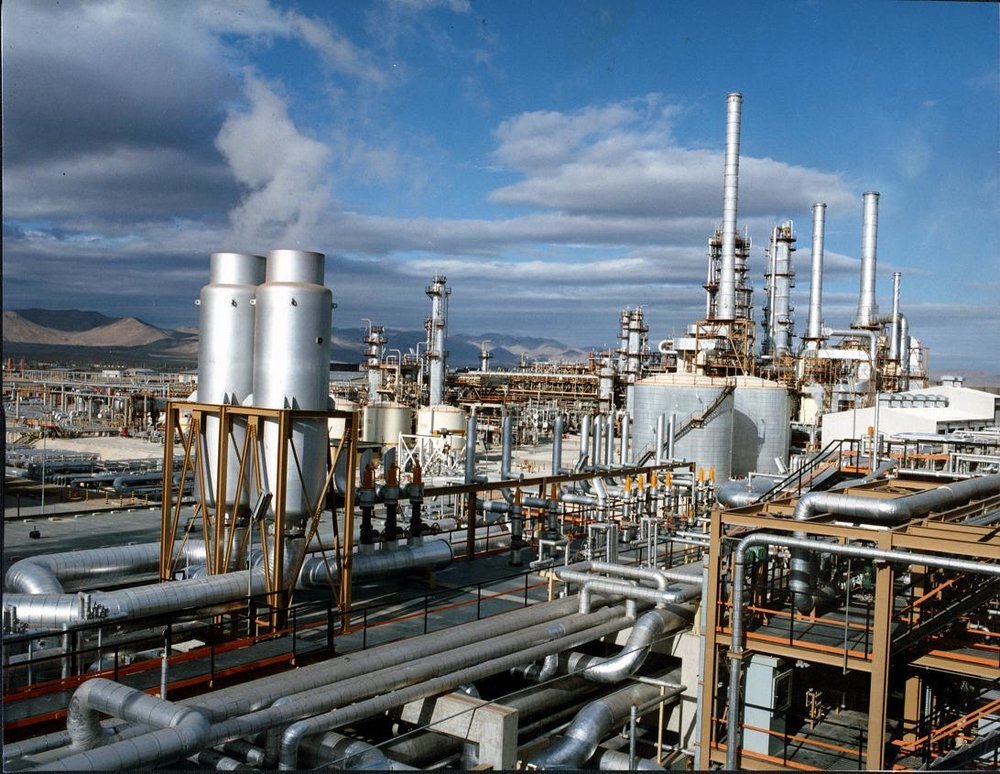
TEHRAN – Iran has stepped up the implementation of refinery upgrading projects aimed at improving the quality of petroleum products under the country’s Seventh National Development Plan, with resources and management now focused on three national priority projects, the head of the National Iranian Oil Refining and Distribution Company (NIORDC) said.
Mohammad Sadegh Azimifar said that since the start of the current administration, efforts have been concentrated on key projects at the Shiraz, Tehran and Isfahan refineries to address long-standing delays and raise refining complexity and value-chain integration.
He said the Oil Ministry considers the execution of the Seventh National Development Plan obligations on upgrading refinery complexity and completing the value chain as a firm and non-negotiable strategy. While quality-improvement and process-optimization projects are under way at nine refineries nationwide, priorities have been operationally redefined to ensure faster progress.
Azimifar said the first tangible outcome of this approach was the successful commissioning of the diesel hydro-treating (DHT) unit at the Shiraz refinery in June 2025, with a capacity of 26,000 barrels per day. The unit enables the production of Euro 5-standard diesel fuel while delivering both economic and environmental benefits, and is expected to operate stably through the coming winter.
Turning to Tehran refinery, Azimifar said the completion of the continuous catalytic reforming (CCR) unit and associated gasoline quality-upgrading project has become a major priority. The project is scheduled to come on stream in the first half of next year and is expected to raise output by about 20 percent while upgrading all gasoline produced at the refinery to international standards and supporting the implementation of Iran’s clean air law.
He described projects at the Isfahan refinery as a key milestone under the Seventh Development Plan, saying that the root solution to improving fuel quality and reducing fuel oil output lies in the refinery’s residue hydro-upgrading (RHU) and residue fluid catalytic cracking (RFCC) units. With technical obstacles addressed and a detailed timeline in place, the early phase of the project is due to enter operation by the end of 2026.
Once operational, the projects will cut the sulfur content of fuel oil produced at Isfahan from about 30,000 parts per million to below 500 parts per million, significantly reducing emissions and environmental impact, Azimifar said.
EF/MA
Leave a Comment