Second oil tanker taken: U.S. escalates Venezuela pressure
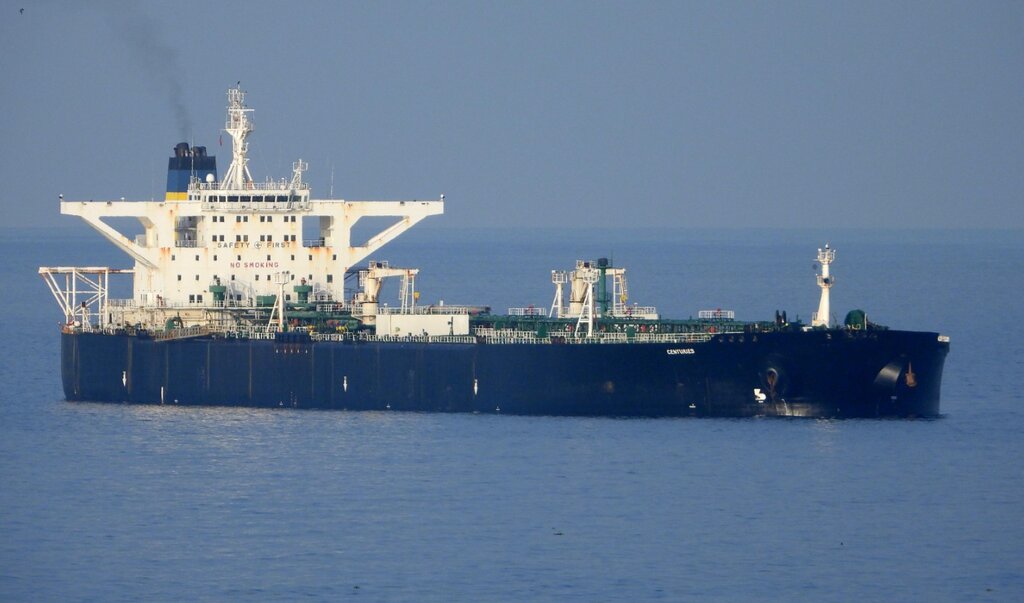
TEHRAN – The U.S. seizure of a second Venezuelan oil tanker, Centuries, underscores a clear strategy: Washington is leveraging military power to control Venezuela’s primary source of revenue. Coming just weeks after the first tanker, Skipper, was taken, the operation signals that the Trump administration’s so-called “blockade” is more than sanctions enforcement—it is a forceful effort to weaken Venezuela’s economy and pressure its government.
While U.S. officials frame the actions as measures against terrorism, drug trafficking, and human smuggling, in practice, the seizures resemble the forcible confiscation of another country’s property. Venezuela has condemned both actions as “acts of piracy and oil plunder,” warning that they violate international law and threaten global shipping.
The seizures coincide with an expanded U.S. military presence in the Caribbean. Since early September, American forces have struck vessels near Venezuela, killing over 100 people in operations described as anti-drug campaigns. Experts caution that, without publicly released evidence, these strikes could amount to extrajudicial killings. Meanwhile, exemptions granted to U.S. companies such as Chevron reveal the blockade as selective economic coercion rather than neutral law enforcement.
From Caracas’ perspective, the message is unmistakable: the U.S. seeks to dominate access to Venezuela’s resources. President Nicolas Maduro has repeatedly denounced the actions as “piracy and oil plunder,” citing the forced sale of Venezuelan assets such as Citgo as evidence.
By seizing two tankers in quick succession, the U.S. risks breaking international norms, escalating regional tensions, and deepening the suffering of ordinary Venezuelans. The operations reflect a broader pattern of unilateral pressure and military coercion that threatens both global trade and regional stability—and point to a broader objective: the U.S. pursuit of regime change in Venezuela.
Leave a Comment