Iran launches first biometric system check for Afghan refugees
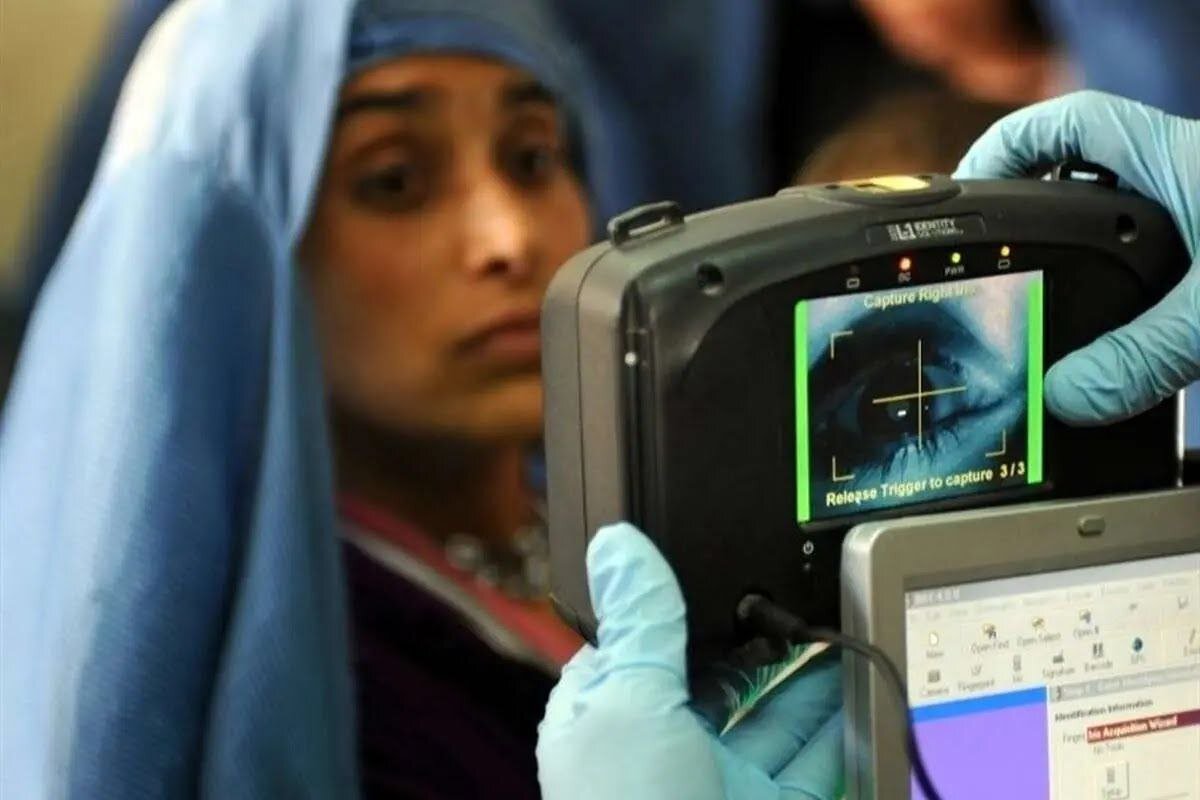
TEHRAN – Iran has implemented the first biometric system check for identity verification of foreign nationals, especially Afghan refugees, at the Dogharon border terminal in the city of Taibad, northeastern Khorasan Razavi province.
The system will play a key role in organizing the entry and exit of the Afghan migrants at the Dogharon border, which is the primary entry point for Afghan nationals traveling to Iran, IRNA quoted Amirollah Shamqadari, an official with the provincial law enforcement department, as saying.
The system will soon be launched at the country’s other border terminals to monitor the entrance and exit of all foreign nationals, the official added.
Biometric tests, such as scanning fingerprints, iris, and taking facial images of citizens, are collected and registered so that when a foreign national is deported, they cannot re-enter the country.
In the first nine months of 2025, more than 1.7 million Afghan refugees returned from Iran to Afghanistan, the United Nations High Commissioner for Refugees (UNHCR) reported in a press release on October 27.
Returns to Afghanistan continue at Dogharon: During the reporting week, nearly 120 buses carrying an estimated 4,700 returnees crossed the border, alongside 18 voluntary returns under the Voluntary Repatriation (VolRep) program.
Following the headcount slip expiry on 20 March 2025, the Government of Iran launched a regularization/return scheme for the two million affected Afghans. Slip holders must undergo government assessments to determine whether they are allowed to remain.
Daily returns rose sharply in mid-June, with July 4 registering over 39,400 returns in a single day. Since then, the trend has declined.
Between October 19 to 25, the average daily returns were 2,800, representing a four percent decrease compared to the 2,900 in the previous week. Nevertheless, the current level remains above the first quarter of 2025, when the daily average was approximately 2,300.
As of 25 October, over 1.5 million Afghans returned from Iran since March 20, and over 1.7 million since the beginning of the year, bringing the total returns from both Iran and Pakistan in 2025 to some 2.3 million.
UNHCR reiterates concern that many Afghans —regardless of status—face serious protection risks in Afghanistan due to the current human rights situation, especially women and girls.
Global investment essential for sustainable return of refugees
Iran’s UN envoy to Geneva, Ali Bahreini, has called for the international community’s investment in infrastructure, employment, education, and other services to improve conditions in Afghanistan for the sustainable return of refugees to their home countries.
Addressing the 116th Session of the Council of the International Organization for Migration (IOM) on Wednesday, the official said, “Forced displacement has increased due to conflicts and increasing global instability.”
However, “the severe pressure on host communities and the lack of international aid have made it impossible for this situation to continue indefinitely,” Bahreini made the remarks in reference to Iran’s generous hosting of millions of Afghan citizens for more than four decades, despite unlawful sanctions, IRNA reported.
Highlighting that “Iran reserves its sovereign right to return unauthorized nationals,” the representative also urged senior IOM officials to pay a visit to Iran’s border areas to get first-hand information and find real common solutions.
The latest global migration developments, as well as policies and cooperation for effective management of international migration, were discussed in the IOM meeting.
MT/MG
Leave a Comment