Al-Houthi’s warning: A red line for Israel in Somaliland
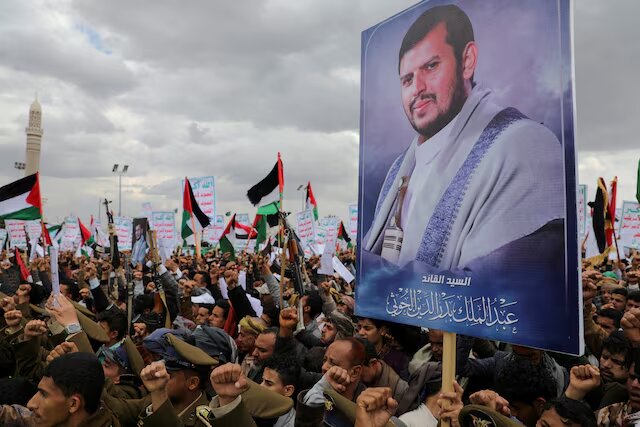
TEHRAN – The leader of Yemen’s Ansarullah has declared that any Israeli presence in Somaliland will be treated as a “military target,” framing Israel’s recent recognition of the breakaway region as an act of aggression against Somalia, Yemen, and the wider Red Sea corridor. Abdul-Malik al-Houthi’s remarks underscore the seriousness with which Yemen’s resistance movement views Tel Aviv’s latest geopolitical maneuver, and highlight the broader struggle over sovereignty and control in one of the world’s most strategic maritime zones.
Israel’s recognition of Somaliland is not a neutral diplomatic gesture. It is a calculated attempt to secure influence in the Horn of Africa, a region that sits at the crossroads of global trade. Somaliland’s position on the Gulf of Aden offers Israel potential access to the Red Sea, enabling it to monitor shipping routes and project military power against Ansarullah in Yemen. For Tel Aviv, this foothold would serve both intelligence and military purposes, particularly after the Ansarullah movement’s attacks against Israeli-linked shipping in solidarity with Palestinians in Gaza.
Ansarullah’s response reflects a doctrine of deterrence. By declaring Somaliland off-limits to Israeli expansion, al-Houthi is signaling that Yemen’s resistance will not allow foreign powers to militarize the Red Sea. The warning is designed to raise the cost of Israeli involvement and to assert that any attempt to establish bases in Somaliland will provoke confrontation. In this sense, Ansarullah is positioning itself not only as a defender of Yemen’s sovereignty but also as a guardian of regional independence.
The United Arab Emirates plays a critical role in this dynamic. Since normalizing relations with Israel under the Abraham Accords, the UAE has facilitated Israeli influence in the Horn of Africa. Emirati investments in Somaliland’s port of Berbera provide Israel with indirect access to maritime infrastructure, while military bases established by Abu Dhabi in Eritrea and Somaliland serve as potential staging grounds for Israeli operations. The UAE presents these projects as a means of economic development, but in reality, they serve as a cover for strategic expansion. This makes Abu Dhabi a key enabler of Israel’s ambitions, undermining both Arab and African sovereignty.
Israel’s recognition of Somaliland has already triggered widespread condemnation. The African Union, Egypt, Turkey, the Persian Gulf Cooperation Council, and the Organization of Islamic Cooperation have all rejected the move. The European Union reaffirmed Somalia’s sovereignty, underscoring the diplomatic isolation of Israel’s decision. This backlash highlights a broader consensus across Africa and the Islamic world: foreign powers cannot redraw borders or destabilize fragile states for their own strategic gain.
Presently, al-Houthi’s warning is more than rhetoric. It is a strategic message that Somaliland will not become another outpost for Israeli militarism. Israel’s war on Gaza, its strikes on Yemen, and its alliance with the UAE reveal a pattern of expansion through fragmentation and militarization. Ansarullah’s stance ensures that such plans will face determined resistance.
Leave a Comment