Trump’s ultimatum to Iraq: A blatant assault on sovereignty and the democratic order
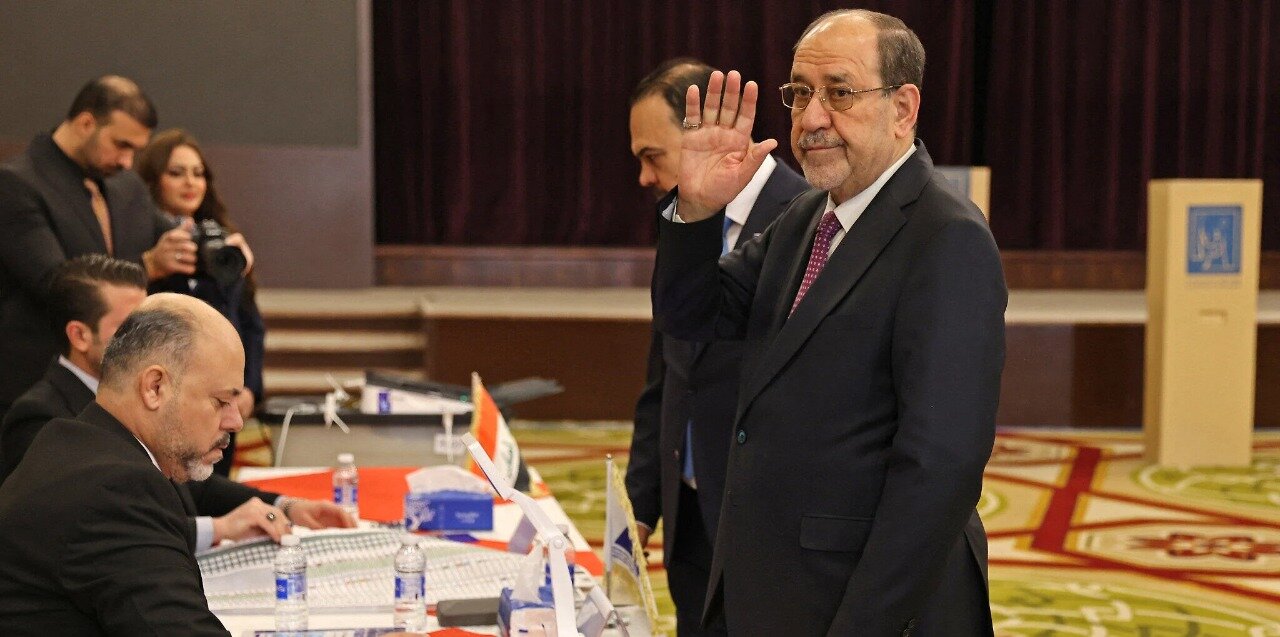
TEHRAN — The recent statements by U.S. President Donald Trump regarding former Iraqi prime minister Nouri al-Maliki’s potential return to power represent a direct challenge to Iraq’s sovereignty and a troubling disregard for international norms.
When a foreign leader publicly threatens to withhold support to influence the outcome of another country’s internal political process, it is not merely rhetorical—it is coercion. Such actions violate long-standing principles of international law, particularly those enshrined in the United Nations Charter, which affirms that all states are equal and have the right to govern themselves without outside interference.
This crisis began on Saturday when the Coordination Framework, Iraq’s largest parliamentary bloc, officially nominated Maliki as their candidate for Prime Minister—a decision rooted in the domestic political process following November’s elections. This nomination reflects Iraq’s own democratic mechanisms, not external preferences.
In response, Trump took to Truth Social to denounce the nomination as a “very bad choice,” claiming that under Maliki’s previous tenure, Iraq “descended into poverty and total chaos.” He went further, issuing an explicit ultimatum: the United States would “no longer help Iraq” if Maliki were elected, warning that without U.S. support, the country would face “ZERO chance of Success, Prosperity, or Freedom.” This public threat amounts to coercion, leveraging America’s military and economic influence to intimidate a sovereign nation—a practice broadly condemned under international law.
Maliki responded sharply, condemning what he called “blatant American interference in Iraq’s internal affairs.” On X, he rejected the threats as a violation of Iraq’s sovereignty and democratic order, emphasizing that the selection of a prime minister is the prerogative of Iraq’s parliament and its people, not a foreign power. His statement underscores a core principle of international law: legitimate leadership must be determined by a nation’s institutions, free from external pressure.
From a legal and moral standpoint, Trump’s ultimatum undermines the foundational idea of sovereign equality. By signaling that the U.S. will punish Iraq financially and diplomatically for following its own democratic procedures, Washington erodes the legitimacy of Iraq’s parliamentary process. Such coercive tactics are precisely what the United Nations Charter seeks to prevent: domination of smaller or dependent states by powerful nations.
Trump’s actions reveal a stark contradiction. While publicly promoting democracy and stability abroad, he threatens to destabilize Iraq if the political outcome does not suit his preferences. This approach transforms partnership into subjugation, sending a clear message that Iraq’s independence is conditional upon compliance with U.S. interests. True stability and democracy cannot be imposed externally—they must emerge from the domestic political system, built on the consensus of Iraq’s people and institutions like the Coordination Framework.
Ultimately, the choice of Iraq’s Prime Minister belongs to the Iraqi Parliament and its citizens. Any attempt by a foreign leader to override that choice is a direct assault on sovereignty and a breach of international norms. Trump’s public interference is not only a violation of law but also a dangerous precedent, signaling that the internal affairs of smaller nations can be dictated through threats rather than respect for their democratic processes.
Leave a Comment