Israel’s admission of Gaza death toll shatters its own denial
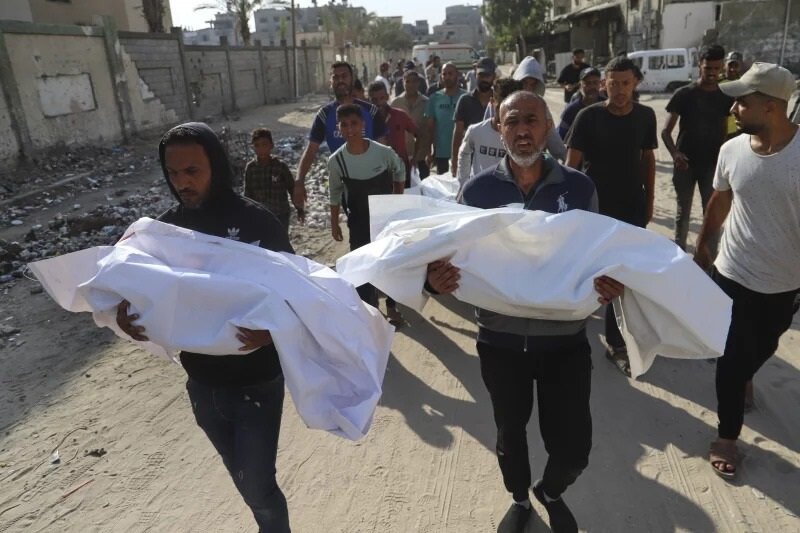
TEHRAN — A quiet admission from a senior Israeli military official has opened a door Israel has tried to keep shut for two years. By acknowledging that around 71,000 people have been killed in Gaza, the official effectively confirmed what the Gaza Health Ministry has been reporting since the start of the war.
For months, Israel insisted that Palestinian casualty figures were exaggerated or manipulated. But now, Israel’s own estimate lines up almost exactly with the numbers it once dismissed. This convergence exposes something important: the debate was never really about accuracy — it was about avoiding responsibility.
Casualty numbers shape how the world understands a war. When a government rejects the numbers, it also rejects the human cost behind them. By quietly validating the death toll, the Israeli military has unintentionally strengthened the credibility of the United Nations, human rights groups, and independent researchers who have been warning about the scale of destruction in Gaza since 2023.
Placed in context, the figure is staggering. The high death toll means that nearly three percent of Gaza’s population has been killed in just two years. In modern warfare, especially involving a highly advanced military, this level of civilian loss is almost unheard of. It demands global attention and serious legal scrutiny.
Gaza’s health authorities have also reported deaths from starvation and malnutrition. Israel denies this, yet international agencies have documented severe shortages of food, clean water, and medical supplies — all linked to Israeli restrictions and blockades. Under international humanitarian law, when civilians die because essential goods are deliberately withheld, those deaths are not accidents. They are predictable outcomes.
Israel’s attempt to walk back the disclosure by saying it did not come through “official channels” reveals a deeper discomfort. Notably, the military did not dispute the number itself. That silence speaks volumes. It suggests that inside Israel’s own institutions, the scale of Palestinian suffering is known — but publicly acknowledging it remains politically dangerous.
This alignment of casualty figures carries real legal consequences. The death toll is central to the genocide case at the International Court of Justice and to the arrest warrants sought by the International Criminal Court. Israel rejects these proceedings, but the matching numbers weaken claims that the evidence is unreliable or inflated. As international courts examine intent, proportionality, and state responsibility, the confirmed scale of civilian deaths will remain a critical part of determining whether Israel’s actions amount to grave violations of international law.
In the end, when numbers converge, narratives collapse. Israel’s own estimate has done more than confirm a statistic — it has validated the lived reality of Palestinians in Gaza and strengthened the global demand for accountability.
Leave a Comment