Iran’s 4th Eurasia International Trade Exhibition postponed
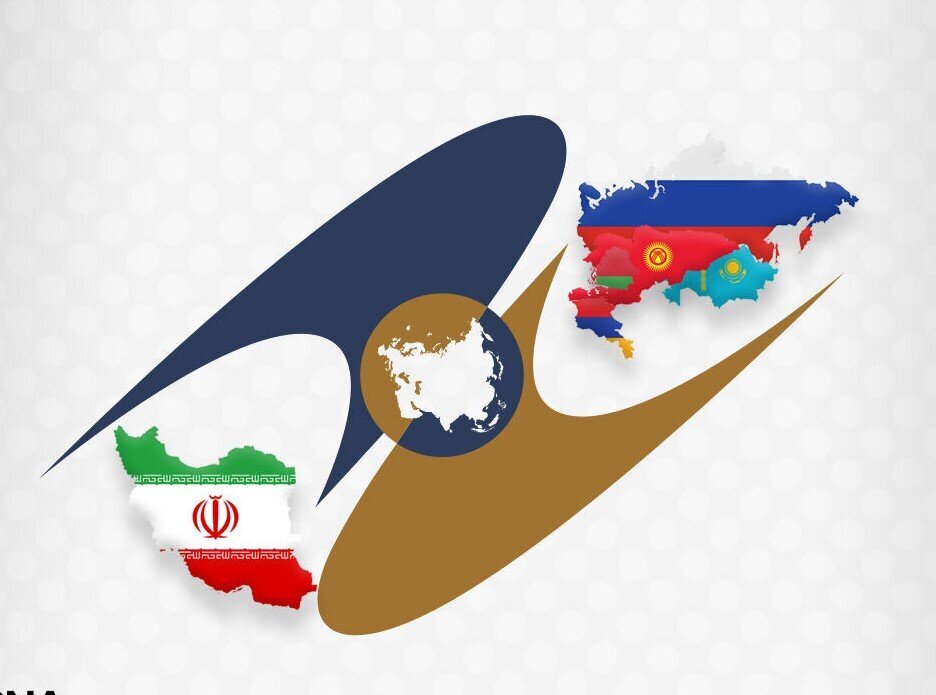
TEHRAN- The fourth Eurasia International Trade Exhibition has been postponed to the second half of the Iranian calendar month Farvardin (late March/early April) to facilitate a more magnificent and grand-scale hosting of this international event.
According to an announcement by Iran’s Trade Promotion Organization (TPO), the exhibition, which was scheduled to be held during February 1-4 at the Tehran Permanent International Fairgrounds, has been postponed due to disruptions in communication networks, logistical challenges, and the approaching holy month of Ramadan.
Based on the assessment of the Trade Development Organization, since one of the fundamental objectives of this event is to ensure better organization and dignified hosting of foreign guests and merchants, its holding has been rescheduled for the second half of Farvardin.
In this announcement, the TPO has stated that, given that the inaugural session of the Iran-Eurasia Trade-Economic Cooperation Meeting was also planned to be held on the sidelines of this exhibition, it is therefore appropriate that this purposeful event be held with comprehensive planning and a holistic view towards all its various aspects.
TPO Head Mohammad Ali Dehghan Dehnavi has recently referred to Iran's free trade agreement with Eurasia and added: "With the implementation of this agreement, 87 percent of goods exchanged between Iran and the five member countries of the Eurasian Union became subject to zero tariffs, creating an unprecedented capacity for an export leap. This agreement has created significant capacity for trade development between Iran and Eurasian countries. Consequently, Iran's exports to the Eurasian region experienced a 16% growth over the first eight months of this year."
Referring to research conducted at the Trade Promotion Organization of Iran, Dehghan Dehnavi stated: "If the goods Iran currently exports to various countries are matched with the goods Eurasian Union member countries import from other parts of the world, it will become clear that for Russia alone, there is approximately $12 billion in potential trade capacity—a figure nearly ten times Iran's current exports to that country. This means that merely by activating existing capacities, exports can be multiplied. Furthermore, goods that are currently only produced for domestic consumption can be identified and potentially developed into export products, finding new markets in Eurasian countries."
He further emphasized the necessity of removing non-tariff barriers between Iran and Eurasian Union member countries, stating: "One such issue lies in the areas of standards and removing transportation obstacles. Currently, connectivity has been established on the eastern side of the Caspian Sea, and on the western side, the Rasht-Astara railway project is being pursued. New railway routes via Nakhchivan and Armenia are also under consideration. In the field of standards, a major non-tariff barrier is the lack of a common standard language between Iran and Eurasian countries, as differences in standard systems have caused problems for Iranian producers. Removing this obstacle can pave the way for export development."
The head of the Trade Promotion Organization of Iran stressed the importance of promotional activities and increasing mutual understanding between traders of both sides, adding: "Creating spaces for dialogue, negotiation, and contract signing among economic actors is very important, and trade exhibitions are considered the most organized tool for achieving this goal."
"Currently, the private sector, especially in the medical equipment field, has been successful in this path and has managed to achieve significant exports to Eurasian countries by registering their products."
Referring to the role of customs in implementing the free trade agreement, Dehghan Dehnavi stated: "In the customs domain, Iran Customs has played an effective role in the joint committee negotiations. One important action is moving towards the electronic exchange of information, which can remove part of the non-tariff barriers. Additionally, good measures have been taken in rail transportation; the Islamic Republic of Iran Railways has reached important agreements with Eurasian countries and active railway routes have been established. However, in road transportation, we still face problems such as prolonged waiting times for trucks, which harms exports. This sector requires more serious measures."
In early December, Amir Roshan, deputy head of the TPO, told a coordination meeting that this year’s Eurasia International Trade Exhibition has been structured to highlight regional economic cooperation and ensure high-level attendance. He said hosting costs for official delegations and chambers of commerce representatives from EAEU member states will be covered under existing protocols and approved budgets to encourage broad participation.
The first will focus on monetary and financial issues, an area he described as a priority for EAEU members.
The second will review the International North–South Transit Corridor (INSTC), which is expected to ease access for regional, European and Arab markets through Iran.
A third section will address export-related issues, including logistics challenges, with the aim of improving trade flows through common standards.
The fourth will highlight goods and services with comparative advantages, particularly in energy, healthcare and other high-value sectors.
MA
Leave a Comment