Iran targets $10b in energy services exports to Eurasia by 2028/29
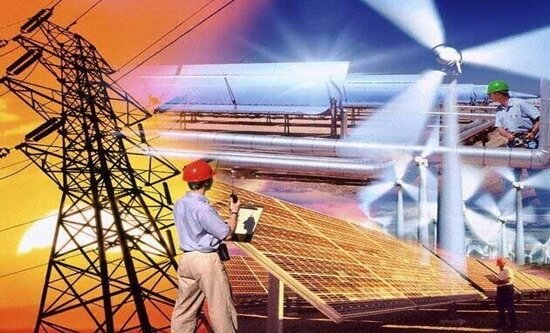
TEHRAN – Iran is aiming to export about $10 billion worth of energy-related services, engineering expertise and goods to the Eurasian region by 2028/29, leveraging a free trade agreement as its main platform for expansion, an industry official said.
Hassan Kazemi, a board member of the Energy Export Federation of the Iran Chamber of Commerce, Industries, Mines and Agriculture (ICCIMA), said the free trade agreement with the Eurasian Economic Union offers the strongest and most suitable framework for Iran’s trade cooperation under current conditions, according to a statement from the Trade Promotion Organization of Iran (TPO).
He said the agreement provides a sustainable development platform, offering preferential access to regional markets and tariff reductions for a wide range of goods and components, including zero tariffs for up to seven product groups.
Kazemi said trade engagement should go beyond basic goods such as food products, arguing that long-term focus should be placed on exporting technical and engineering services, knowledge transfer and high value-added products in sectors such as oil, gas and energy.
“These forms of cooperation strengthen cultural and professional ties and become embedded in the economic structures of target countries,” he said.
Kazemi said more than 5,000 companies affiliated with the Energy Export Federation and related industry associations are ready to enter Eurasian markets.
Achieving the $10 billion export target, he added, would require comprehensive infrastructure preparation, including resolving banking, logistics and transport challenges, both maritime and overland, as well as addressing cultural and social requirements.
He stressed that traditional methods of moving equipment and components would not be sufficient, calling for an integrated supply chain covering services, goods and equipment.
As previously emphasized by ICCIMA Deputy Head Payam Bagheri, the export of technical and engineering services creates dependency in the target market.
He stated that the nature of exporting technical and engineering services is different, adding: “This type of export leads to dependency in the target market and generates wealth, which results in sustainable economic development.”
Back in October, Iran Chamber of Commerce, Industries, Mines and Agriculture, the Trade Promotion Organization (TPO), and the Association of Exporters of Technical and Engineering Services signed a tripartite memorandum of cooperation aimed at forming a joint committee to expand Iran’s export capacity in technical and engineering services.
The initiative, pursued by ICCIMA’s Committee for Technical, Engineering and Construction Services, seeks to revitalize Iran’s presence in regional markets by removing obstacles, coordinating with financial institutions, and streamlining export procedures. A representative from the Central Bank of Iran also attended the signing ceremony, expressing readiness to cooperate in implementing the agreement.
ICCIMA Head Samad Hassanzadeh called the signing “a meaningful and promising step,” saying that Iran urgently needs to expand exports. “Achieving this goal requires full institutional cooperation with a supportive and pragmatic approach. Regional countries recognize Iran as one of the largest exporters of engineering services, and demand for Iranian expertise remains high,” he said.
Hassanzadeh emphasized that collaboration among the TPO, Central Bank, and private sector can significantly enhance project execution and overall export value. “Iran possesses vast experience in engineering services, and by leveraging this strength through economic diplomacy, we can restore and expand our trade ties with neighboring countries,” he said.
TPO head Mohammad Ali Dehghan-Dehnavi described Iran’s history in engineering service exports as “illustrious,” noting that the sector once accounted for over 10 percent of the country’s total exports. Although this share has declined, he said the new cooperation framework aims to restore and surpass those golden years.
“Engineering service exports are the modern artistic expression of Iran’s technical expertise in global markets, and we must nurture and expand this presence,” Dehghan-Dehnavi said.
He added that Iran targets $6.0 billion in engineering service exports under this new roadmap, which includes coordinated efforts to identify projects, support contractors, and strengthen legal and diplomatic backing for exporters.
The deputy minister noted that the TPO, ICCIMA, and the exporters’ association would now operate within a unified framework, forming a powerful network to boost exports, with support from Iran’s commercial attachés in target markets.
Meanwhile, according to Sadreddin Niavarani, vice chairman of the Iran Chamber of Commerce’s export development committee, Iran’s private sector and traders have the capacity to double exports to some member states of the Eurasian Economic Union.
He said exports to Eurasian Economic Union members rose 16 percent in the first eight months of the current Iranian calendar year (March 21-November 22, 2025).
He said Iranian exporters could increase agricultural shipments to markets such as Russia by as much as fivefold, replacing foreign competitors.
Niavarani said implementation of the free trade agreement with the Eurasian bloc had helped advance Iran’s export sector, adding that government measures to facilitate access for private companies and traders to markets such as Eurasia encourage exporters and ultimately boost shipments.
He also highlighted the importance of infrastructure development, including rail transport and refrigerated rail freight for fruit and food products, in expanding exports to Eurasian Economic Union countries.
Iran’s Free Trade Agreement (FTA) with the Eurasian Economic Union (EAEU) has increased the competitive status of Iranian products.
The agreement has created new opportunities for the promotion of Iran’s trade with the five members of the union.
As the experts believe, it seems that economic cooperation between Iran and the EAEU will become a turning point in the near future.
The implementation of this agreement, which entered its operational phase in May, has created new opportunities for boosting Iran's trade with the five member countries of the Eurasian Economic Union. Iran's free trade agreement with Russia, Kazakhstan, Belarus, Armenia, and Kyrgyzstan has laid the groundwork for facilitating the export of goods, reducing tariffs, and increasing the competitiveness of Iranian products.
Experts believe that this agreement will not only strengthen Iran's export capacities but will also lead to the development of stable, long-term economic relations between Iran and the member states of the Eurasian Economic Union.
EF/MA
Leave a Comment