Iran among top 10 countries in regenerative medicine
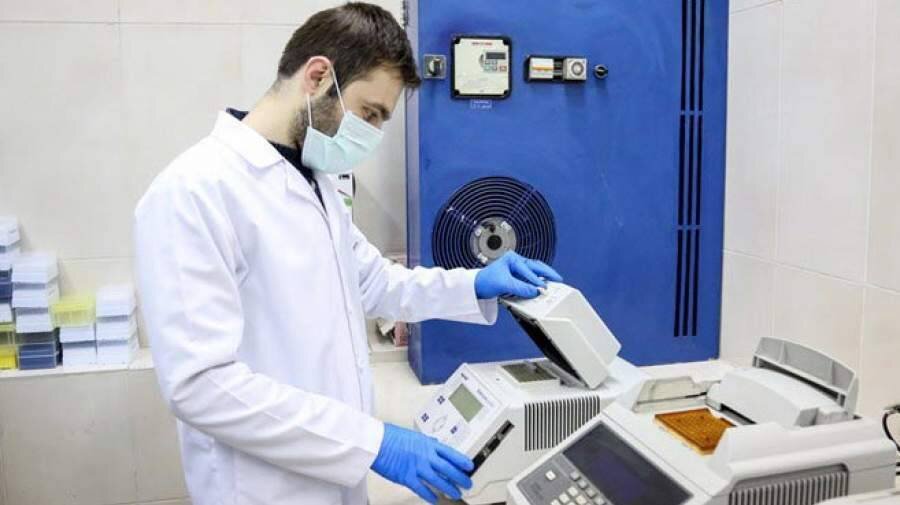
TEHRAN – With the approval of six new advanced therapy medicinal products (ATMPs), Iran has showcased breakthroughs in regenerative medicine, improving the country’s global ranking from 12 to 7.
According to the latest global report, out of 148 ATMPs approved in 2025 under the supervision of 12 internationally recognized regulatory bodies, seven were made in Iran, placing it among the top 10 countries in the field, IRNA reported.
The number of licensed products in regenerative medicine has grown from one product in the Iranian year 1402 (March 2023-March 2024) to seven this year, which started in March 2025.
These include cell therapy, issue engineering, and chimeric antigen receptor (CAR) T-cell therapy products, which are used to treat different diseases such as vitiligo, graft-versus-host disease (GVHD), cerebral palsy (CP), burns, diabetic foot ulcers, arthritis, and B-cell acute lymphoblastic leukaemia (B cell ALL). Some of these high-tech medical products have export potential.
Notable Progress in Cell Therapy
Iran has made significant progress in the field of stem cells and cell therapy, advancing to eighth place in the world from 12th in the previous year.
“Last year, we had only one cell therapy product on the market and ranked 12th in the world, but this year we have reached eighth place in the world with 5 products,” according to Mostafa Qanei, an official with the Vice-Presidency for Science and Technology.
He made the remarks in a press conference in Tehran on Sunday with a focus on the achievements of the health sector.
“Our goal is to be among the top five countries in the world in this field and eliminate the need for patients to travel abroad for treatment,” he added.
Saeed Sarkar, an official with the Vice-Presidency for Science and Technology, has said that twenty technological projects related to the health sector are on the agenda in the current Iranian year, which ends in March 2026.
These projects include the production of spinal muscular atrophy (SMA) drugs, the development of early detection kits for digestive cancers, and other health-oriented products, which are expected to save up to $40 million in foreign currency, IRIB quoted Sarkar as saying.
Referring to medicinal plants, the official said: “We are pursuing two main goals, the first one is to improve the effectiveness of medicinal plants through technologies such as nanotechnology, for example, nanocapsules loaded with curcumin to enhance absorption capacity.
The second goal is to conduct clinical trials to document the effects of traditional medicine and present the results to the health ministry for verification.
Talking about the use of artificial intelligence in the health system, Sarkar said, “We are deploying artificial intelligence tools in sectors like radiology and pathology. These devices will play a complementary role in medical diagnostics, helping to improve accuracy, reduce costs, and improve public access to healthcare.”
The official went on to highlight the unprecedented potential of AI technology in the health sector, saying that the use of artificial intelligence in the health system can significantly enhance the accuracy and speed of clinical decision-making while simultaneously reducing costs and risks.
MT/MG
Leave a Comment