Solar expansion in Iran cuts CO2 emissions by 1m tons annually
TEHRAN – The expansion of solar power plants in Iran is preventing the release of more than 1 million tons of carbon dioxide (CO2) annually, while also helping reduce electricity supply imbalances, state media reported.
According to IRNA, accelerated development of renewable energy under the current administration has pushed total installed renewable capacity beyond 4,200 megawatts, raising its share in the country’s power mix to about 4.3 percent.
Over the past 18 months, renewable capacity has tripled, with officials expecting it to surpass 5,000 megawatts by the end of the year.
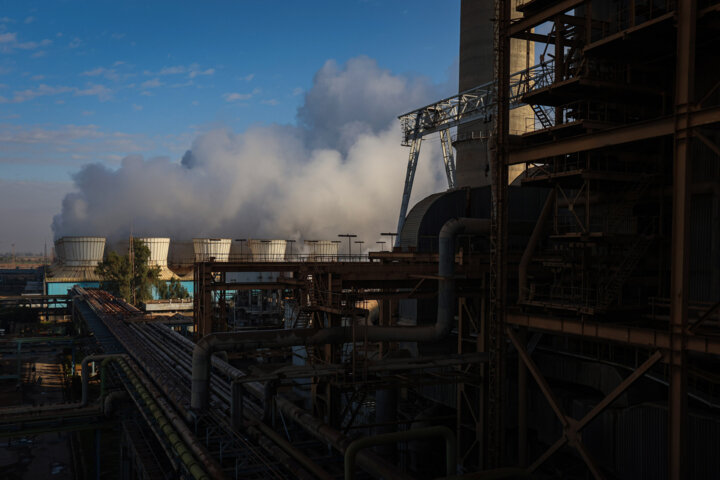
Thermal power plants, which rely on fossil fuels such as natural gas, diesel and fuel oil, remain the backbone of electricity generation in Iran. However, they contribute to greenhouse gas emissions and require significant volumes of water for cooling.
By contrast, solar power plants generate electricity without direct emissions and with minimal water consumption.
Estimates indicate that newly installed solar plants will reduce natural gas consumption by around 423 million cubic meters and cut water use by approximately 332,000 cubic meters in the electricity generation process.
In addition to environmental benefits, solar power projects are contributing to job creation and grid stability. Each megawatt of installed solar capacity generates about eight direct jobs, while also supporting the development of related industries.
Officials say continued expansion of renewables is expected to play a growing role in improving energy efficiency, reducing fossil fuel dependence and enhancing the resilience of Iran’s power network.
EF/MA
Leave a Comment