National research, technology network for Persian medicine being launched
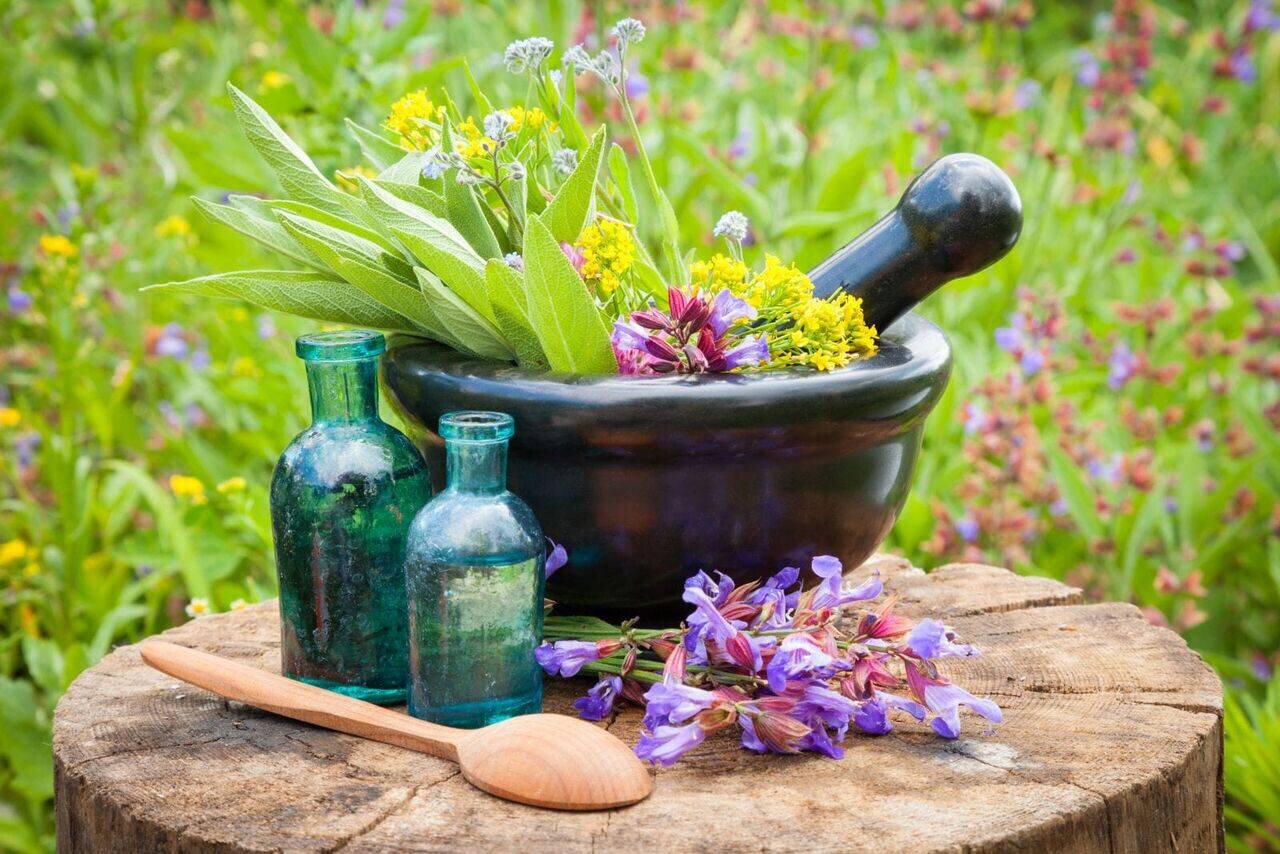
TEHRAN – The health ministry’s traditional medicine is developing a national research and technology network for Persian medicine to integrate scientific and technological efforts to enhance Persian medicine’s status and expand the value chain of medicinal plants.
The network will organize research and scientific capacities of the country in supplementary medicine and Persian medicine to meet the needs of the health sector and knowledge-based economy, the health ministry’s director for the traditional medicine office, Hossein Rezaeizadeh, has said.
It will serve as a platform for the development of a roadmap for technologies relating to the indigenous knowledge to address the challenges, such as the lack of a structured link between traditional knowledge and modern technologies, the health ministry’s website quoted the official as saying.
The network’s core areas are centered around biochemical, molecular, and microbiological research, animal studies, disease models, safety assessments, pharmacodynamics, and pharmacokinetics.
Developing interdisciplinary research and utilizing new technologies such as proteomics, metabolomics, microbiome studies, cellular models, bioinformatics data analyses, epidemiological studies, and advanced animal models are among other key pillars of the network to create synergy between traditional knowledge, biological, and data-driven sciences.
Iran’s commitment in Global Strategy for Traditional Medicine
During the closing ceremony of the second World Health Organization (WHO) Global Summit on Traditional Medicine, Iran pledged commitments to advance the implementation of the Global Strategy for Traditional Medicine 2025-2034.
Co-organized by the WHO and the Government of India, the second global Summit on Traditional Medicine was held from December 17 to 19, in New Delhi, under the theme ‘Restoring Balance: The science and practice of health and well-being’.
Rezaeizadeh, Arman Zargaran, the advisor to the health ministry’s traditional medicine office, and Mohammad Fathali, the ambassador to India, attended the event.
Iran’s five commitments include launching a WHO collaborating center, launching a national platform for clinical trials, strengthening research and evidence, publishing in reputable journals, compiling five standard operating procedures (SOPs) for specialized Persian procedures, and integrating traditional medicine into the health system, the health ministry’s website reported.
The second WHO Global Summit on Traditional Medicine aimed to advance a global movement to restore balance for people and the planet, grounded in the science and practice of Traditional Medicine.
During the summit, Iranian officials took part in specialized discussions on traditional medicine. Zargaran was the first speaker to deliver a speech, titled ‘Codifying complexities: standardization in traditional medicine research’, at the parallel session 2A themed ‘Translating the WHO Traditional Medicine Research Roadmap into Global Action’.
Like many ancient medical systems, Persian medicine takes a holistic approach to health, emphasising lifestyle factors such as adhering to a proper diet, moderate exercise, sufficient sleep, and mental/emotional balance.
According to Roshanak Ghods, an associate professor of Persian medicine at Iran University of Medical Sciences, many treatments in Persian medicine focus on restoring balance and boosting the body’s natural healing capacities.
“The knowledge accumulated over centuries of practice and research provides clinical insights and therapeutic approaches complementary to modern medicine”, she said. “Preserving this medical tradition and making it accessible ensures that people today can benefit from this time-tested system of natural healing and its unique principles, but of course, we also need the evidence on the effectiveness and safety of traditional and complementary medicine, based on suitable research methods for personalised medicine.”
Ghods’ vision is for a health-care system that combines traditional with conventional medicine, without prejudice. “Our goal for the future should be to provide personalised, patient-centred care that addresses the person’s mind, body, and spirit”, she said.
MT/MG
Leave a Comment