King Salman issues royal decrees for strategic cabinet shifts
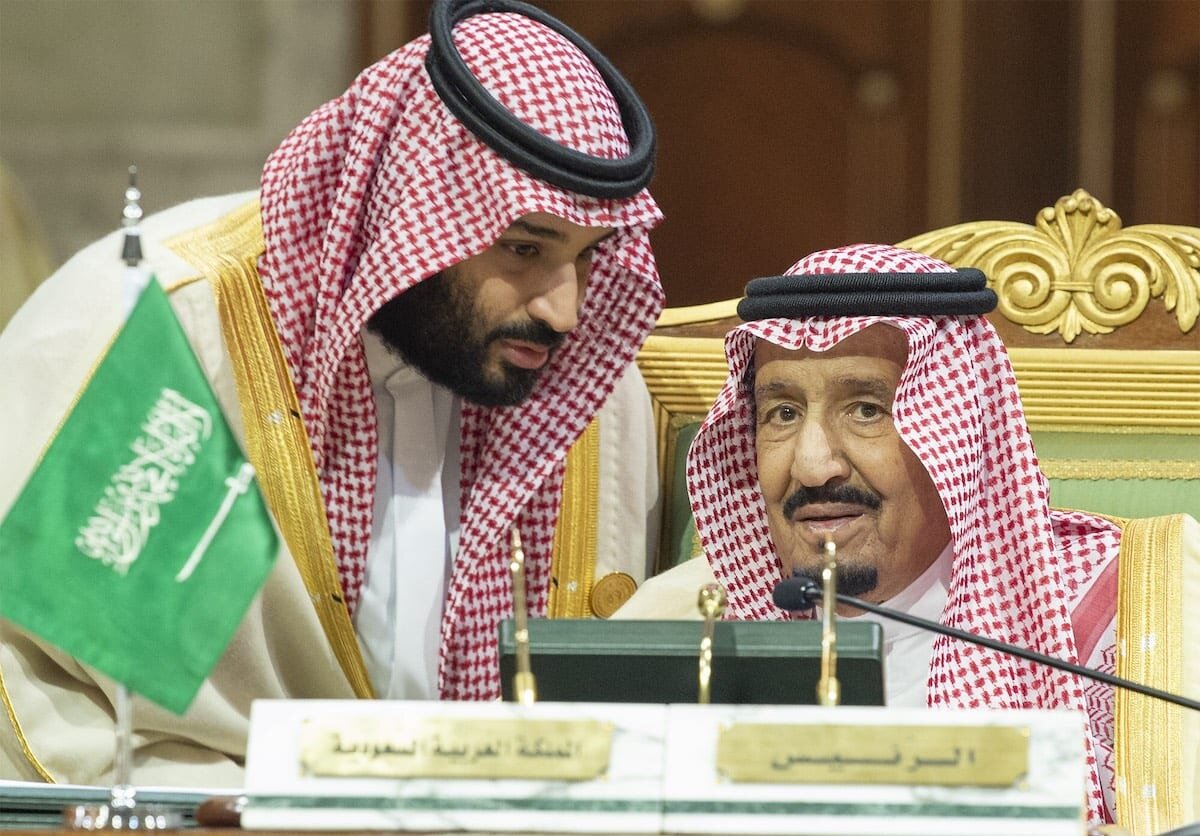
TEHRAN — King Salman bin Abdulaziz issued a comprehensive series of royal decrees on Thursday, instituting a significant reshuffle across Saudi Arabia’s ministerial, judicial, and regional administrations.
The updates, reported by the Saudi Press Agency (SPA), appear to reflect an adjustment in leadership as the kingdom pursues its ongoing institutional and economic initiatives.
A central element of the decrees is the appointment of Fahd bin Abduljalil Al-Saif as the new Minister of Investment.
Al-Saif, a senior executive at the Public Investment Fund (PIF) who has led its investment strategy and global capital finance divisions, succeeds Khalid Al-Falih.
Al-Falih, a technocrat who led the ministry since its inception in 2020, has been appointed Minister of State and remains a member of the Council of Ministers.
The judicial and oversight sectors also underwent notable changes.
Khalid bin Mohammed Al-Yousef, previously head of the Board of Grievances, was named the new Public Prosecutor with ministerial rank, replacing Saud bin Abdullah Al-Mujeb, who transitioned to a role as an adviser at the Royal Court.
Concurrently, Ali bin Ahmed Al-Ahidib was appointed President of the Board of Grievances.
The administrative realignment extended to the Ministry of Interior, where Mohammed Al-Mahna was named Assistant Minister for Operations and Abdullah bin Fares became Undersecretary for Security Affairs.
Regional governance also saw shifts, including the appointment of Prince Rakaan bin Salman as Governor of Diriyah and Prince Fawaz bin Sultan as Governor of Taif.
Further appointments included Abdulaziz Al-Oraifi as Governor of the National Development Fund and new deputy ministers for education, tourism, and media.
The reshuffle comes at a critical juncture for Saudi Arabia as it approaches the final years of its initial Vision 2030 roadmap.
Launched in 2016, the program aims to diversify the economy away from oil dependency, enhance public service sectors, and increase foreign direct investment.
The appointment of PIF veteran Fahd Al-Saif to the investment ministry may suggest a growing alignment between the sovereign wealth fund and the government’s wider economic agenda.
Leave a Comment