Hyrcanian forests management project to kick off
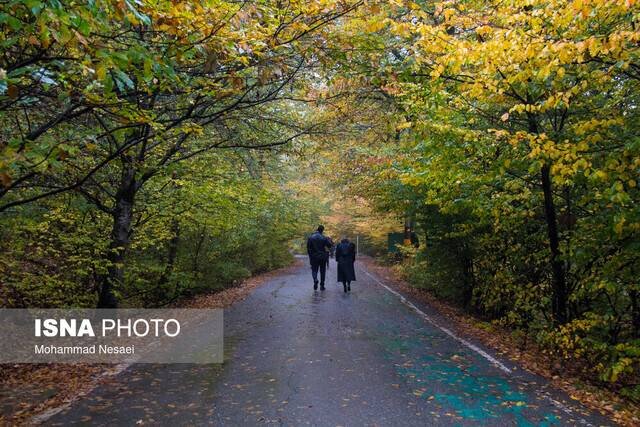
TEHRAN – The Department of Environment (DOE) is scheduled to implement the first phase of the Hyrcanian forests sustainable management project in the next Iranian calendar year, which will start on March 21.
The Hyrcanian forests cover the northern slope of the Alborz Mountains in Iran, at the southern edge of the Caspian Sea, and contain very rich ecosystems due to the particular orographic and climatic situation (precipitation-rich, warm-temperate, high moisture from the Caspian Sea and the damming effect of the Alborz Mountains).
The implementation of the project will contribute to ecological, social, and economic impacts as it restores the ecosystem and enhances local livelihood by providing job opportunities, ISNA quoted Kamran Pormoqadam, an official with the DOE, as saying.
Covering more than two million hectares, the forests are divided into 104 sections. The first phase will focus on 28 areas, covering an area of 700,000 hectares, in three northern provinces. To supply the costs for the preservation and restoration of the forests, the DOE will utilize the forest parks, not the trees.
The second phase will be implemented in 64 areas during the first six months of the Iranian year 1405, with the rest to be completed by the end of the year.
Measures for preservation of biodiversity
On February 4, the DOE elaborated on achievements and measures taken by the administration to protect the biodiversity, ecosystem, and endangered species in the country.
The number of protected areas under the supervision of the DOE has increased from 327 to 330, accounting for 12 percent (19.8 million hectares) of the country’s land area, IRNA quoted Hamid-Reza Zohrabi, an official with the DOE, as saying.
According to the International Union for Conservation of Nature (IUCN) Red List, a total of 213 species are endangered.
The country has so far prepared plans for the preservation of 25 endangered species, such as the Persian cheetah, zebra, Asiatic black bear, yellow deer, lesser white-fronted geese, white-headed duck, Persian salamander, blind cave fish, and Luristanica Sorbus (a rare plant species that is native to Iran). The DOE is preparing thirteen more plans.
The population of prominent herbivorous mammals in the protected areas has increased from 227,000 to more than 240,000, and the number of managed invasive species has grown by 400 percent, covering five species, including crucian carp, nutria, raccoon, and rainbow trout.
Monitoring pests and diseases, and fire outbreaks in Zagros habitats is another measure taken by the DOE, which has led to the identification of the Hyrcanian boxwood pest, the awkward silkworm moth in Gilan province, and the wood-eating pest of Aras in Khorasan Razavi province.
Given the importance of protecting biodiversity and genetic resources, the DOE is planning to prepare a plan to combat plant pests and pathogens as the main threat to the country’s unique ecosystem.
To protect caves, the DOE has developed cave classification guidelines and plans for the conservation and sustainable use of the caves in the country. The number of caves with a conservation grade has increased from 7 to 41, indicating an increase of 490 percent.
There are also plans to raise individuals, local communities, and tourists’ awareness of the importance of preserving caves’ biodiversity and water resources. The DOE is planning to utilize the capacity of collaborative conservation to protect sensitive and important cave ecosystems.
Constant monitoring of caves, particularly tourist caves, preparing caves’ database, identifying and prioritizing caves in terms of protection, assessing the capacity of tourist caves, protecting the biological and physical diversity of caves, and protecting water resources are among the plans to be conducted collectively.
The DOE has also established a working group to monitor wildlife cybercrimes and combat illegal wildlife trade. Wildlife trafficking is the third most profitable crime, following drug and weapon trafficking.
MT/MG
Leave a Comment