Will Israel annex the West Bank?
TEHRAN – The Zionist regime does not appear to be moving toward a full and direct reoccupation of the West Bank, at least for now.
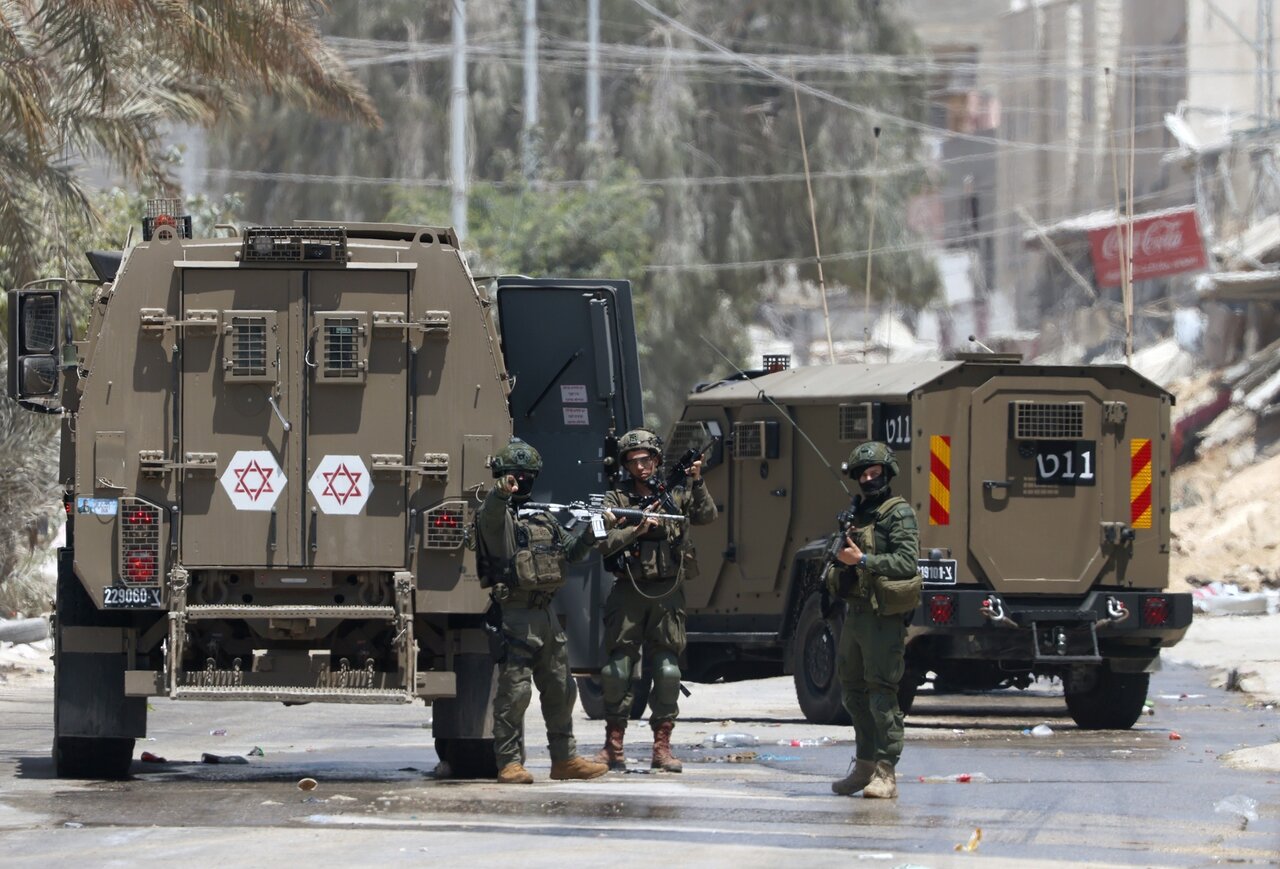
Since the genocidal war on Gaza began following the events of October 7, 2023, the Israeli regime has overseen massive destruction in the West Bank and intensified its aggression in the territory.
These measures include expanding settlements, demolishing infrastructure in cities and villages, tightening movement restrictions, and increasing military incursions. A bill has also been introduced in the Knesset proposing the annexation of the West Bank.
At the regional level, Israel has expanded its military footprint in parts of Lebanon and Syria, prompting comparisons to the illegal territorial expansions that followed the regime’s 1967 war.
Observers argue that long-standing regional “rules of engagement” in place since the Madrid Conference of 1991, have largely eroded.
This raises a central question: could the regime reoccupy the West Bank outright?
Some analysts believe the issue is no longer whether such a move will happen, but when and how. A growing current within the Zionist regime’s political circles seeks to end the Oslo Accords and related arrangements.
These agreements are viewed by some in the regime as concessions over what they call “historic Israel” and as a strategic risk if a fully sovereign Palestinian state were to emerge.
At the same time, the government of Benjamin Netanyahu faces internal pressure following the October 7 attacks. Expanding military control and reshaping realities on the ground have been framed by supporters as necessary to prevent future operations by Palestinian resistance forces similar to “Al-Aqsa Flood”.
Two main scenarios are under discussion.
The first is a gradual, direct reoccupation of the West Bank, which would likely lead to the collapse of the Palestinian Authority. While there is indirect legal backing in the Knesset for annexation, this option carries significant risks.
A full reoccupation would almost certainly trigger intensified Palestinian resistance, increasing military and security costs for the regime. Moreover, the occupation regime would become directly responsible for administering around three million Palestinians, including providing essential services and economic support.
This would require billions of dollars at a time when the Israeli economy is already strained by the genocidal war in Gaza.
Diplomatically, annexation or full reoccupation could damage the Zionist regime’s regional normalization efforts. The future of the Abraham Accords could be jeopardized. The United Arab Emirates has warned that annexation would nullify its agreement with Tel Aviv, while Saudi Arabia has reportedly linked normalization to the establishment of an independent Palestinian state.
For these reasons, a second scenario appears more likely in the near term. Rather than formal reoccupation, the regime may deepen its security grip on the West Bank without officially declaring annexation. This would involve continued raids, tighter restrictions, and sustained pressure on Palestinian urban centers.
While international responses would likely be limited to diplomatic criticism, the greater danger lies internally. Weakened governance and mounting economic hardship could erode the Palestinian Authority’s capacity to function.
Armed resistance, currently concentrated in areas such as Jenin and Tulkarm, could expand and potentially ignite a broader uprising reminiscent of previous intifadas.
Palestinian studies indicate that more than half of economic establishments in the northern West Bank have closed either permanently or temporarily due to the regime’s military operations. Significant infrastructure destruction has led to capital losses, with most businesses operating far below normal capacity.
These policies target not only security threats but also the broader social and economic fabric of Palestinian society.
The Zionist regime is unlikely to launch a comprehensive reoccupation of the West Bank at this stage, not due to incapacity, but because of the steep costs involved. Instead, it appears to be pursuing an expanded but undeclared model of security domination, a path that carries profound long-term risks for the West Bank and for regional stability.
Leave a Comment