Putin adopts offensive stance to quieten US and Europe on Ukraine
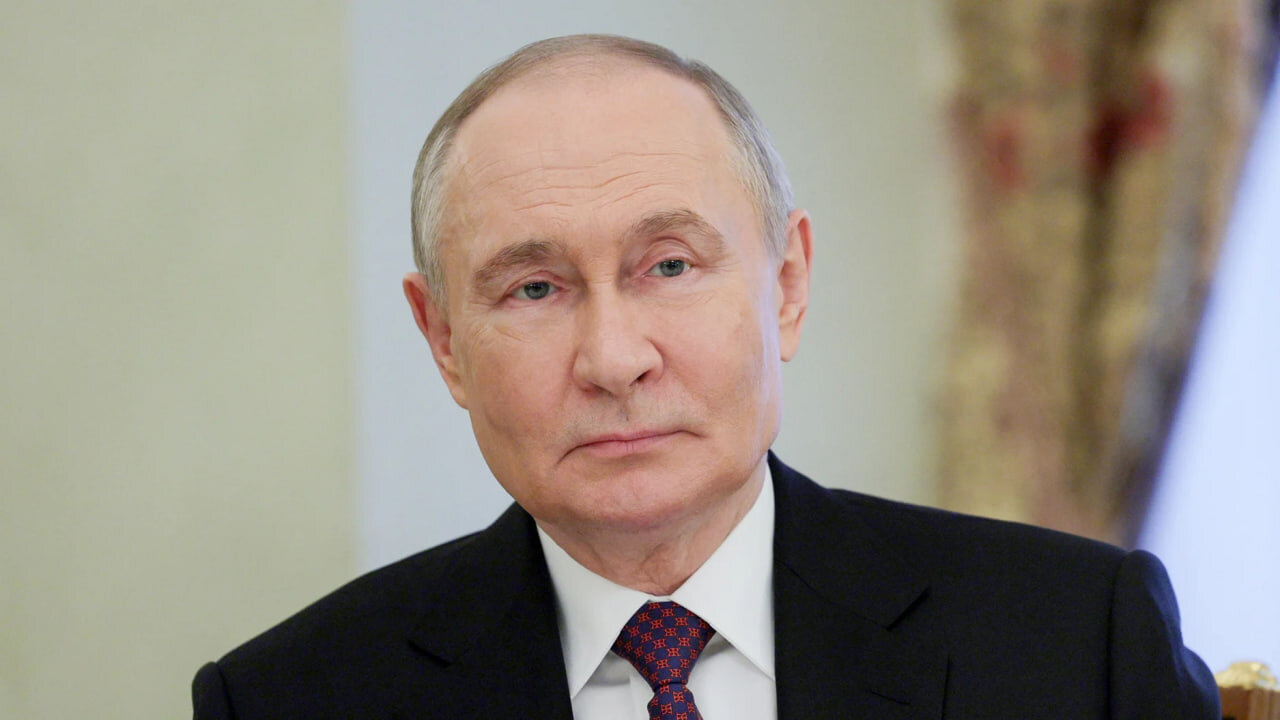
GOA - Europe is facing significant, multifaceted threats and consequences due to its continued, robust support for Ukraine in the face of the ongoing Russian invasion. Reports from 2025 and early 2026 highlight intensifying risks. These consequences range from direct security threats and economic strain to political instability, as the conflict has become a watershed moment for the continent.
Russia has warned European nations, particularly France and Germany, of "serious consequences" for allowing Ukraine to use Western-supplied weapons against military targets inside Russia. This has raised fears of a direct confrontation, with some leaders noting the threat is no longer limited to Ukraine, but extends to the whole continent. Russia is considered the most significant and direct threat to NATO security, seeking to reconfigure the Euro-Atlantic security architecture.
After years of war, significant political divisions have emerged within European countries regarding the cost and longevity of support, with some, such as Austria, witnessing calls to stop funding due to domestic hardships. This fatigue is empowering populist movements that prioritize national interests over, the conflict. One can visibly see and feel a “Ukraine fatigue”.
Disruptions to energy markets and militaries
The war has caused major, lasting disruptions to European energy markets, leading to high prices and inflation. The economic burden includes supporting millions of refugees, increasing defense spending (which saw a 31% increase in 2024), and managing the inflationary impact of the conflict, which has been described as a "disruptive effect on global markets".
Continued, arms deliveries to Ukraine have weakened
Europe's own defense capabilities, leading to concerns that European militaries are left exposed, particularly if US support wavers. The conflict has forced a reassessment of European security, with some arguing that European dependence on the U.S. for defense is a weakness.
Despite these risks, the European Union has maintained an "unwavering commitment" to support Ukraine substantially.
Russia’s territorial demands
Vladimir Putin has demanded recognition of Russia's control over the four Ukrainian regions it claims to have annexed (Donetsk, Luhansk, Kherson, Zaporizhzhia) as well as Crimea.
Russia has further threatened that it will take more land by force if Ukraine and Western, particularly European, nations do not comply with peace proposals. European nations are bolstering support for Ukraine, with the European Parliament approving a €90 billion loan package for 2026-2027.
In the Russia-US negotiations on Ukraine, Russian officials are issuing assertions that conditions for negotiations will worsen for Kyiv. Russian officials, including at the UN, indicated that with each passing day, the conditions for a peace deal become more difficult for Ukraine. As of February 12, 2026, Russia has continued to attack Ukrainian cities while the ongoing round of U.S.-brokered talks remains uncertain. Moscow is playing its cards to buy time.
Russia warns US negotiators
Putin has issued strong warnings to U.S. negotiators regarding the conflict in Ukraine, focusing on the consequences of increased Western involvement and the supply of long-range weaponry. Putin warned that if the U.S. supplies Ukraine with long-range Tomahawk missiles capable of striking deep into Russian territory, it would "destroy" U.S.-Russian relations. He characterized such a move as direct NATO participation in the conflict, promising a "very serious, if not overwhelming" response.
Putin reiterated that Russia will continue to advance and "liberate" the Donbas region by force if Ukrainian troops do not withdraw from these areas. Following alleged Ukrainian attacks, the Kremlin stated it would "toughen" its negotiating position. Putin indicated that a direct conflict with Europe would lead to "absolute defeat" for the continent.
As of February 12, 2026, Russia has continued to attack Ukrainian cities while the next round of U.S.-brokered talks remains uncertain, with reports suggesting Moscow is playing for time. The warnings followed five-hour meetings between Putin and U.S. delegates, including Steve Witkoff and Jared Kushner, in Moscow. Putin labelled the negotiations "difficult work." Kremlin views the negotiations as a way to force Ukraine into a "terrible dilemma" between a humiliating deal or fighting without secure, long-term Western support.
Russian officials also warned that any move to confiscate Russian assets would be viewed as "theft of property" and would be met with retaliation. Russia has deployed its new, nuclear-capable Oreshnik intermediate-range ballistic missile, hitting targets in Western Ukraine. Vladimir Putin has touted this weapon as unstoppable by current air defenses, describing it as a "clear warning" to NATO allies.
Amid a harsh winter, Russian strikes have specifically targeted critical energy facilities, causing widespread blackouts and infrastructure damage in multiple regions. Putin has warned that if peace negotiations fail, Moscow will continue to advance militarily. Russia will not concede territory, aiming to maintain control over annexed areas in eastern and southern Ukraine. Russia has warned against involvement of Western troops in Ukraine, threatening that European forces would be "legitimate combat targets".
In Putin’s strategic offensive against Europe and Ukraine in early 2026, the Kremlin has actively sought to drive a wedge between Washington and European capitals, labelling European leaders as "warmongers" or "young pigs" and accusing them of undermining diplomatic efforts.
Russia is planning to increase its forces significantly along the NATO eastern flank, depending on the outcome of the war in Ukraine, with no current desire to halt the invasion. Russia has intensified its hybrid warfare across Europe, including suspected cyberattacks, arson, and air space violations to cause political paralysis.
Russia’s strategy involves encouraging Trump’s desire for a quick deal - likely involving concessions from Kyiv, such as territorial losses and restrictions on NATO membership—while pushing for a halt in U.S. military assistance to Ukraine.
Putin’s goal is a Russian-dictated peace. The Russian leadership aims to negotiate directly with Washington, viewing European nations as an obstacle to a deal that favours Moscow. While not immediately planning a direct attack on NATO, Russia is probing defenses and testing the alliance's resolve in 2026. The ultimate goal is to force a ceasefire that allows Russia to cement its gains. As of early 2026, the Kremlin feels it is in a position of strength, utilizing Trump's desire for a quick diplomatic victory to its advantage, while attempting to create a "new normal" in European-Russian relations on Moscow's terms.
Zelensky remains firm against ceding territory and has explored proposals for a demilitarized, "free economic zone" in occupied areas in exchange for long-term security guarantees. With the clear edge that Russia has, Zelensky is indulging in pipe dreams.
Russia makes three essential pre-conditions:
* Recognition of its control over occupied regions, particularly in the Donbas. These include a core demand from the Kremlin for a change in leadership in Kyiv
* A neutral, non-NATO, and demilitarized Ukraine
* A buffer zone and the reduction of Ukraine's military capacity
Russia's stated conditions have key demands including ceding the four annexed Ukrainian regions (Kherson, Donetsk, Zaporizhzhia, Luhansk), abandoning NATO membership ambitions, and destroying Western-supplied weapons. Russia demands recognition of occupied territories, a demilitarized Ukraine, and a new, neutral government. Zelensky is facing increased pressure to hold elections, potentially as early as May 2026, to solidify his mandate and align with U.S. interests. He has long surpassed his mandate and elections are due.
Trump has stated that Ukraine must negotiate, arguing that they are in a precarious position and lack the necessary leverage to win outright. Trump has explicitly told the Ukrainian president that he did not have the “cards to play” during a White House encounter. The U.S. has threatened to reduce support if Kyiv does not sign a peace deal.
The Russian leader has maintained a consistently defiant stance regarding the war in Ukraine, emphasizing that Moscow will continue its military objectives until a "long-term and sustainable peace" is achieved on the country’s terms.
Putin has reiterated that Russia is not "anti-Ukraine," but that true sovereignty for Ukraine is only possible in partnership with Russia.
Dr. Ranjan Solomon is a researcher and freelance writer focused on questions of global and local/national justice. Ranjan Solomon can be contacted at ranjan.solomon@gmail.com
Leave a Comment