Prince Andrew's Epstein arrest: A nightmare the British monarchy can't escape
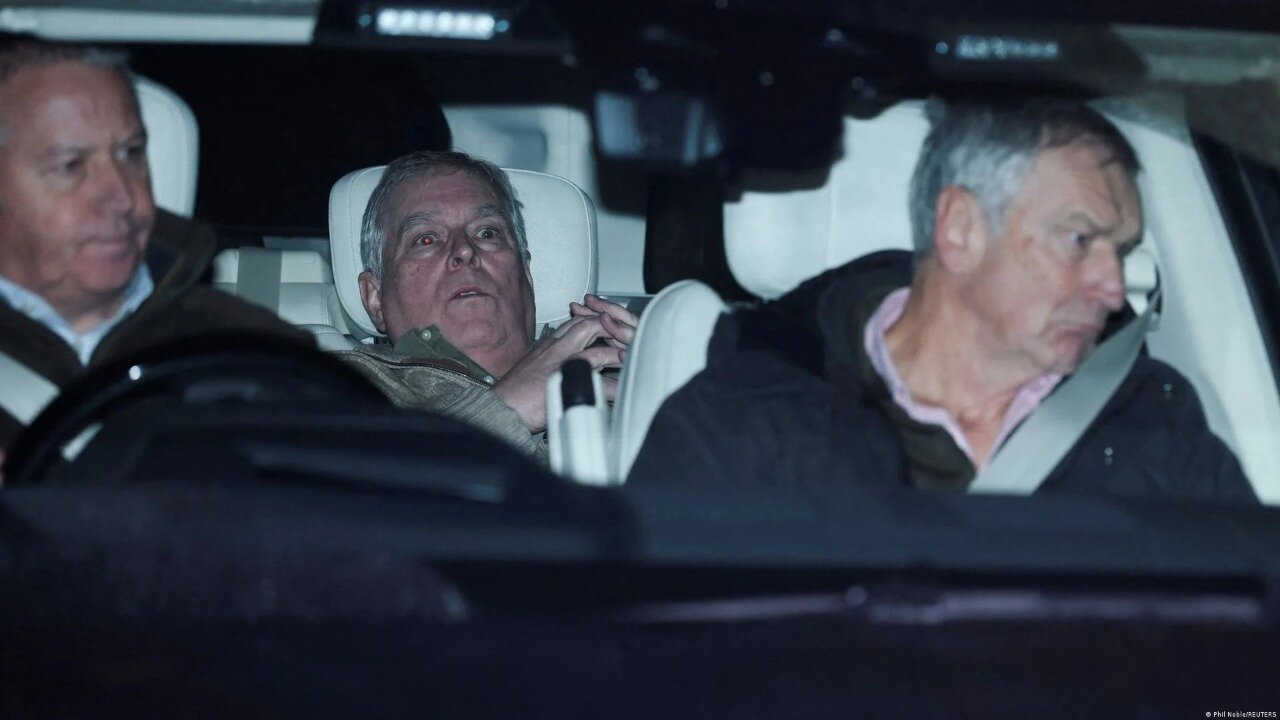
TEHRAN – The recent arrest of Andrew Mountbatten Windsor, the former Prince Andrew and younger brother of King Charles III, has plunged the British monarchy into an unprecedented crisis.
On Thursday, Mountbatten Windsor was taken into police custody on suspicion of misconduct in public office, accused of allegedly sharing confidential government information with the late convicted sex offender Jeffrey Epstein during his tenure as a UK trade envoy. After more than ten hours in custody, he was released under investigation—but the sheer audacity of the allegations has shaken public confidence and reignited long-standing debates over accountability within the royal family.
This arrest is extraordinary in modern British history. No senior royal has faced formal police questioning in centuries. That a brother of the reigning monarch could be arrested and investigated illustrates both the gravity of the claims and the precipitous decline of Mountbatten Windsor’s reputation. According to sources connected to the so-called Epstein files, the former prince allegedly forwarded sensitive government documents, travel itineraries, and reports to Epstein—blurring the line between public duty and personal associations. This scandal follows decades of controversy over his friendship with Epstein and prior sexual misconduct claims, which he has consistently denied.
The impact on the monarchy has been stark and destabilizing. In 2025, Mountbatten Windsor was stripped of his royal title and removed from his Windsor residence, yet he remains eighth in line to the throne. For many, this inconsistency epitomizes the tensions between inherited privilege and public accountability. Calls from politicians and commentators for his formal exclusion have intensified, highlighting a broader unease: in a modern democratic society, should bloodline alone grant immunity from consequence? King Charles has taken an unusually public stance, emphasizing that “the law must take its course,” but even this gesture has not insulated the institution from scrutiny.
The scandal also underscores deeper systemic concerns about privilege, secrecy, and the culture of deference surrounding the royal family. Mountbatten Windsor’s fall from grace has been long and highly public—from a disastrous BBC interview to a costly legal settlement in 2022 with Virginia Giuffre, who accused him of sexual assault as a teenager trafficked by Epstein. Though the settlement did not include an admission of guilt, it symbolically eroded his credibility. Giuffre’s recent death, and her family’s praise for his arrest, adds an emotional resonance that reinforces the stakes: the case is about more than one man’s reputation; it is about justice and the power dynamics that have long shielded elites from accountability.
Yet the monarchy’s reaction has been cautious, almost calculated. While King Charles and other senior royals have expressed support for law enforcement, the institution has largely remained focused on ceremonial duties and official appearances, leaving critics to argue that it has yet to confront the full implications of these scandals. Public support for the monarchy is being tested, and anti-monarchy movements have seized upon the moment to call for reforms that would curtail royal immunity and demand transparency.
At its core, the Mountbatten Windsor scandal exposes the fragile balance between tradition and modernity within the British monarchy. What was once regarded as private indiscretion by a controversial royal has now become a matter of public and legal consequence. The episode raises profound questions: How should an institution built on heredity and privilege answer to democratic norms? Can centuries of inherited power coexist with modern expectations of accountability? And, perhaps most importantly, what does this moment say about a monarchy that has long relied on mystique, discretion, and public deference to survive?
As the investigation unfolds, the British royal family faces a test unlike any in its modern history. The fallout from this scandal is likely to shape public perception for years, if not decades, challenging the monarchy to redefine its role—or risk appearing increasingly out of step with the society it purports to serve.
Leave a Comment