Iran power capacity rises to 98,802 MW, up 5,800 MW in 18 months
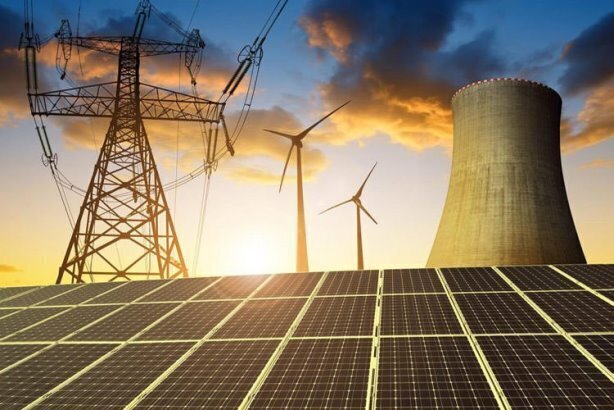
TEHRAN – Iran’s installed electricity generation capacity has increased by about 5,800 megawatts in less than 18 months, reaching 98,802 MW from roughly 93,000 MW at the start of the current administration, according to the latest weekly report by the Iran Power Generation, Transmission and Distribution Management Company (Tavanir).
The report, covering the week ending February 6, showed that 4,169 MW of new capacity was added in the current Iranian calendar year (started in March 2025) alone, with more than 60 percent allocated to renewable energy projects.
Renewable capacity, including solar, wind and other clean sources, rose from about 1,180 MW at the beginning of the administration to more than 4,000 MW, marking more than a threefold increase. The expansion reflects a policy shift toward diversifying the energy mix and reducing reliance on fossil fuels.
In the thermal power segment, development of combined-cycle units continued, with total combined-cycle capacity increasing from around 35,800 MW to 38,400 MW, a gain of about 2,600 MW. In addition, 1,139 MW of gas units were converted to combined-cycle operation through the completion of steam sections, improving efficiency and reducing fuel consumption intensity.
Transmission and sub-transmission infrastructure expanded in parallel with generation capacity. The total length of transmission and sub-transmission lines increased from about 133,800 circuit kilometers to 136,700 circuit kilometers, adding nearly 2,900 circuit kilometers. Substation capacity also rose by more than 7,500 MVA to support more reliable power delivery.
On the demand side, the number of electricity subscribers grew from around 40.7 million to more than 42.1 million, with over 1.4 million new customers connected to the national grid.
Despite the rise in subscribers and economic activity, peak electricity demand declined from about 79,000 MW in summer 1403 to 77,497 MW in 1404, reflecting the impact of consumption management and efficiency measures.
The gains were achieved amid constraints in power plant fuel supply and reduced hydropower output due to prolonged drought, underscoring ongoing efforts to stabilize the electricity balance and advance targets under the Seventh National Development Plan.
EF/MA
Leave a Comment