18th Fajr Visual Arts Festival opens in Shushtar with focus on water
TEHRAN- The 18th edition of Fajr Visual Arts Festival officially opened on Wednesday beside the UNESCO-listed Shushtar Historical Hydraulic System in southwestern Khuzestan province, under the motto “My Land / Iran, the Embodiment of Water.”
The opening ceremony was attended by Minister of Culture and Islamic Guidance Seyyed Abbas Salehi, Deputy Minister for Artistic Affairs Mehdi Shafiei, Director General of the Visual Arts Office Aydin Mehdizadeh, Head of the Institute for the Development of Contemporary Visual Arts Jafar Vahedi, as well as Khuzestan provincial officials, cultural figures, artists and art enthusiasts, IRNA reported.
The ceremony paid tribute to a distinguished veteran artist from the province and saw the signing of a memorandum of understanding between the Ministry of Culture and the Khuzestan Governorate to promote and expand cultural and artistic activities throughout the province, the report added.
As a part of the festival, the “My Land” section, a yearlong cultural initiative, began its provincial programs from February 9 and will continue throughout the year in workshop formats across the country. The initiative seeks to promote public awareness of water resource management through art.
The project is organized in collaboration with the Water and Wastewater Deputy of the Ministry of Energy and the Iran Water Resources Management Company.
Secretary of the “My Land” section Saeedeh Arian announced that all 31 provinces are participating in more than 170 artistic events during the festival. Each province is organizing five educational workshops (artist-instructor format), an exhibition showcasing workshop achievements, and supplementary visual arts programs related to water culture.
So far, the initiative has commenced in 13 provinces, including Ardabil, Kerman, Kermanshah, North Khorasan, Lorestan, Semnan, Hamedan, Kerman, Kohgiluyeh and Boyer-Ahmad, Markazi, Yazd, Zanjan, and Chaharmahal and Bakhtiari.
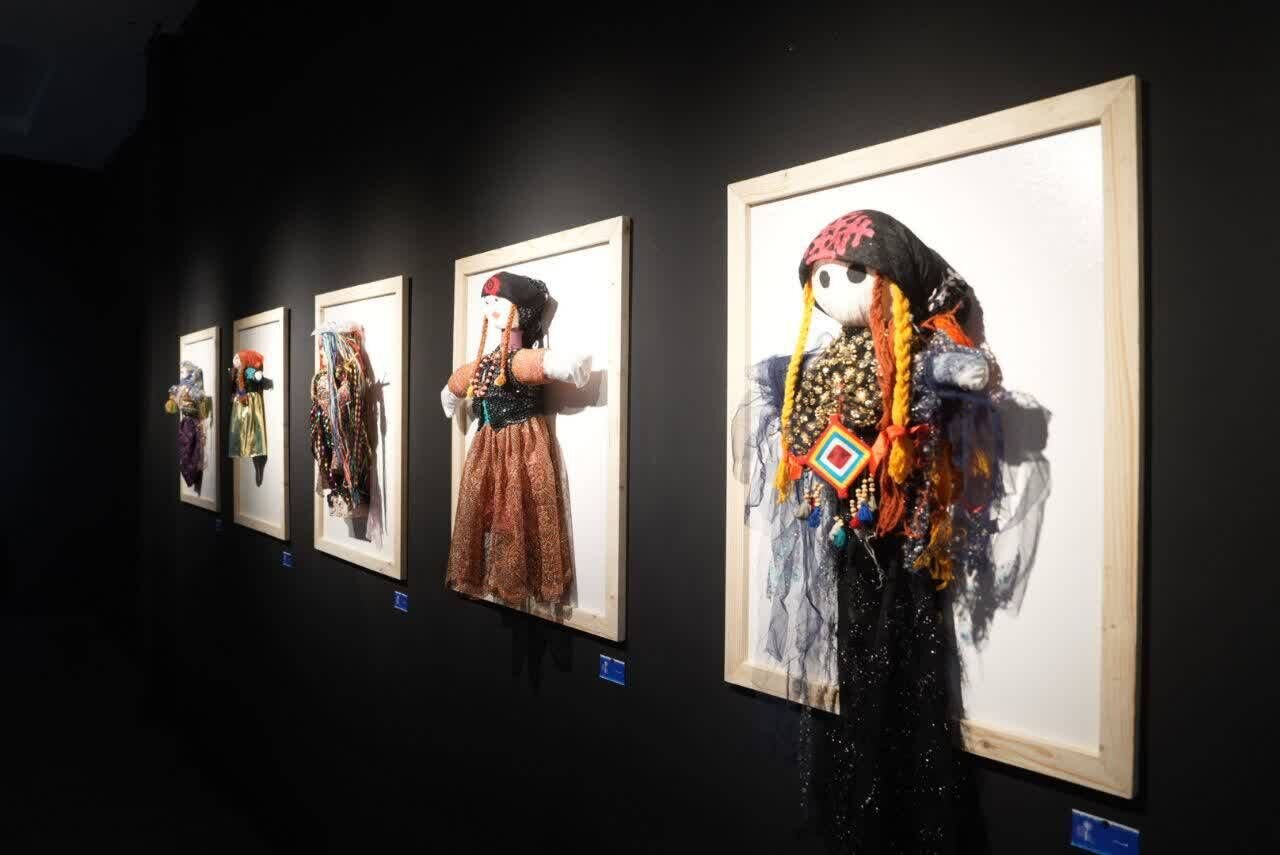
A distinctive feature of the “My Land” program is the revival of eight traditional rain seeking doll rituals. These cultural symbols are known by various local names in different cities.
Events are being staged across numerous counties and rural areas, as well as urban spaces. Historic venues such as Shafiabad Castle in Shahdad, the Gohar Riz Qanat in Joupar (Kerman province), and the Tomb of Saadi and Rokn Abad Watercourse in Fars province are also hosting festival programs.
The “My Land” section further highlights the creative contributions of rural women in Lorestan and Kermanshah, the participation of teenagers and students in Yazd, Markazi, Lorestan and Chaharmahal and Bakhtiari, as well as the development of new art forms, including installation and performance art, particularly in Kermanshah and Hamedan.
Moreover, the main exhibition of the festival, titled “Baba Ab Dad” (Father Gave Water), will open on Thursday at the Imam Ali (AS) Religious Arts Museum in Tehran. The curated exhibition centers on water as its thematic focus and will be inaugurated in the presence of artists and cultural officials.
The closing ceremony will be held at the Tehran Museum of Contemporary Art on March 3. The event will include a review of the one-year activities of the Visual Arts Center, the announcement of next year’s programs, and the introduction of the selected artists of the Iranian calendar year 1404.
Earlier, Aydin Mehdizadeh, head of the festival’s policymaking council, said that the 18th edition revolves around three key concepts of water, art for the people, and integrated art. “These themes are interwoven within a renewed structural framework for the festival,” he noted.
By placing water at the heart of artistic expression, the 18th Visual Arts Fajr Festival seeks to bridge heritage, community engagement, and contemporary creativity, reaffirming art’s role in cultivating environmental responsibility and cultural identity across Iran.
The Fajr Visual Arts Festival is one of Iran’s most prestigious annual art events, held as part of the nationwide Fajr cultural celebrations marking the anniversary of the Islamic Revolution.
Organized by the Ministry of Culture and Islamic Guidance, the festival brings together leading artists, emerging talents, and art institutions from across the country to showcase works in diverse fields such as painting, sculpture, photography, illustration, calligraphy, new media, installation, and performance art.
Over the years, the festival has evolved into a dynamic platform that not only presents contemporary artistic achievements but also promotes public engagement, cultural dialogue, and thematic explorations reflecting social, national, and environmental concerns.
The Shushtar Historical Hydraulic System, located in Khuzestan province, is a masterpiece of ancient engineering that dates back to the Achaemenid era and was further developed during the Sassanid period. Registered on UNESCO’s World Heritage list in 2009, the vast complex was designed to harness the waters of the Karun River through an intricate network of dams, bridges, canals, tunnels, and watermills. The system functioned both as an irrigation network and as an industrial mechanism, supplying water to agricultural lands while powering mills that supported the region’s economy.
SAB/
Leave a Comment