Sassanid-era inscription referring to royal festival discovered

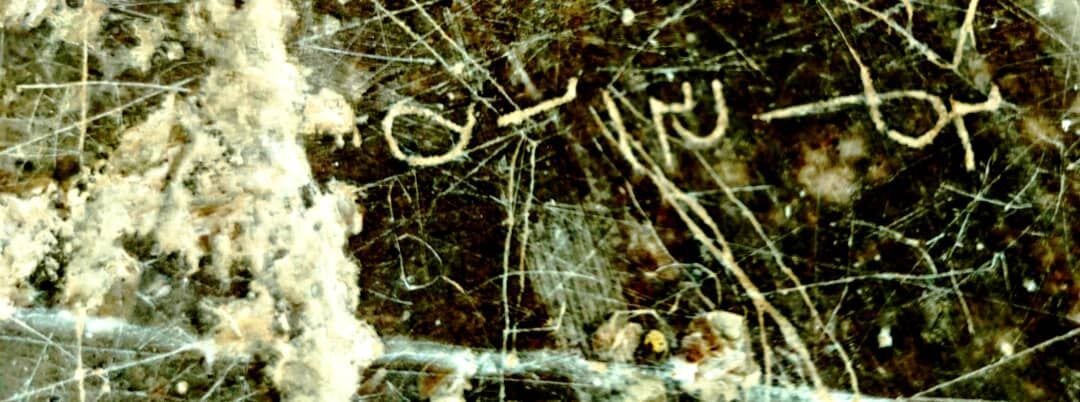
TEHRAN — An Iranian archaeologist said a Sassanid-era inscription referring to the calendar of a royal festival has recently been discovered on rock cliffs in the Marvdasht Plain in southern Iran.
Abolhassan Atabaki, an archaeologist and historian, said the small stone inscription was carved in Pahlavi script and refers to one of the Sassanid festivals held in the month of Dey, although the final part of the text has been lost.
“The inscription appears to record the date of one of the Sassanid celebrations,” Atabaki said, adding that erosion had damaged part of the text.
Marvdasht Plain is known for remains from multiple ancient Iranian civilizations. Atabaki said he has identified several other Sassanid-era rock carvings on the cliffs of Marvdasht over the past two years.
According to him, more than 50 historical remains from the Elamite, Achaemenid and Sassanid periods have been documented in the area, most of them inscriptions and rock reliefs.
Marvdasht lies near Persepolis, the ceremonial capital of the Achaemenid Empire, as well as Naqsh-e Rostam, Naqsh-e Rajab and the ruins of the ancient city of Estakhr.
Archaeological studies show that settled communities lived on the Marvdasht Plain for millennia before Achaemenid king Darius I selected the nearby foothills of Mount Rahmat for the construction of Persepolis.
AM
Leave a Comment