-

By Afshin Majlesi
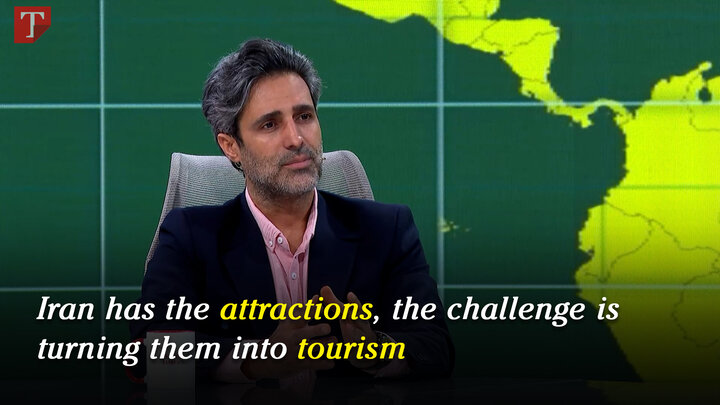
Iran has the attractions, the challenge is turning them into tourism: Javad Gharaei
TEHRAN - Iran does not lack tourism attractions. What it has struggled to do, says Iranian traveler and documentary filmmaker Javad Gharaei, is turn the country’s extraordinary natural and cultural diversity into a tourism industry capable of attracting visitors, generating revenue and properly introducing the ancient country to the world.
-
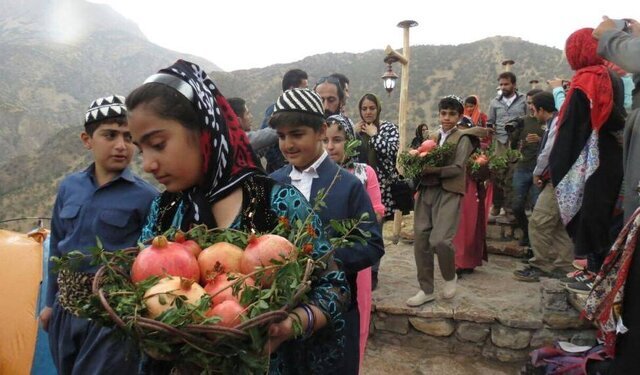
Mehregan festival marked in Iran as seasonal tradition endures
TEHRAN - Some Iranians observed Mehregan, an ancient festival associated with Mehr, friendship, and the autumn harvest, on Friday, keeping alive a tradition that has survived in different forms across Iran over centuries.
-
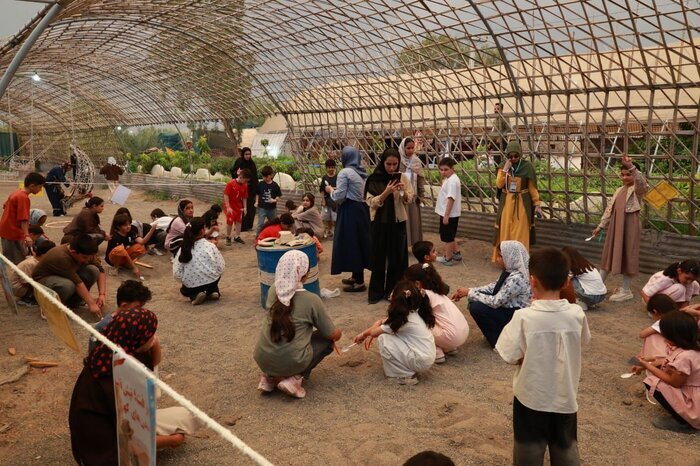
Jiroft event uses child tourism to connect new generation with ancient civilization
TEHRAN - A cultural and educational event in Jiroft has used child- and family-oriented tourism activities to introduce younger generations to the 5,000-year-old civilization of the Halil Rud valley and promote awareness of the importance of protecting archaeological heritage.
-

By Afshin Majlesi
Iran has the attractions, the challenge is turning them into tourism: Javad Gharaei
TEHRAN - Iran does not lack tourism attractions. What it has struggled to do, says Iranian traveler and documentary filmmaker Javad Gharaei, is turn the country’s extraordinary natural and cultural diversity into a tourism industry capable of attracting visitors, generating revenue and properly introducing the ancient country to the world.
-
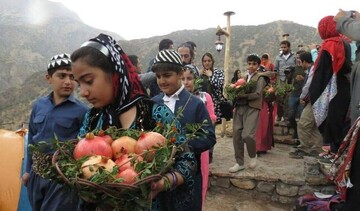
Mehregan festival marked in Iran as seasonal tradition endures
TEHRAN - Some Iranians observed Mehregan, an ancient festival associated with Mehr, friendship, and the autumn harvest, on Friday, keeping alive a tradition that has survived in different forms across Iran over centuries.
-
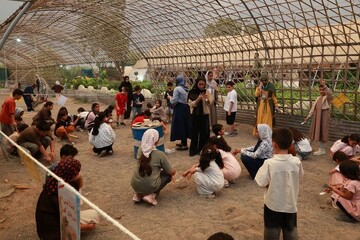
Jiroft event uses child tourism to connect new generation with ancient civilization
TEHRAN - A cultural and educational event in Jiroft has used child- and family-oriented tourism activities to introduce younger generations to the 5,000-year-old civilization of the Halil Rud valley and promote awareness of the importance of protecting archaeological heritage.
-
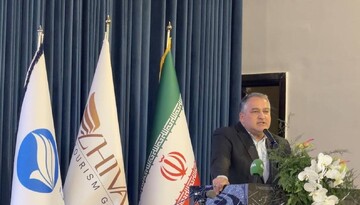
Resilience key to Iran’s tourism survival under difficult conditions: HEGTA chief
TEHRAN - Resilience and a fundamental rethink of planning are essential for Iran’s tourism sector as rising travel costs, transport and investment constraints, sanctions and regional conditions put pressure on the industry, the head of the Tourism Group of Iran’s Social Security Organization (HEGTA) said on Friday.
-

Rais-Ali Delvari Museum reopens after major redesign in southern Iran
TEHRAN - Rais-Ali Delvari Museum has reopened in the southern city of Delvar following extensive physical and content redesign, with officials describing the museum as a venue for documenting the resistance of local communities against British forces during World War I.
-

Iran, UNESCO discuss stronger intl. cooperation to protect World Heritage sites
TEHRAN - Iran and UNESCO have discussed expanding technical and international cooperation to assess, document, restore and protect Iran’s World Heritage sites, including properties reportedly damaged during the recent war.
-
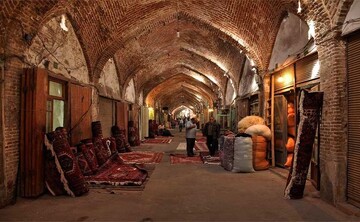
20 historical bazaars undergoing revitalization across Iran
TEHRAN – Around 20 historical bazaars across Iran are currently being revitalized in cooperation with municipalities and local shopkeepers, a former head of the Urban Regeneration Company of Iran has said.
-
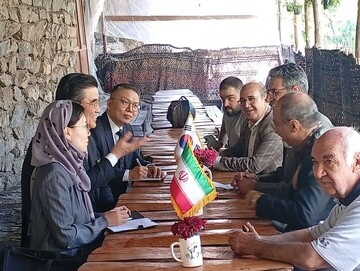
S. Korean ambassador highlights Iran’s ecotourism potential
TEHRAN – South Korean Ambassador to Iran Kim Junpyo has highlighted the potential of Iran’s ecotourism sector to support local economies and offer visitors authentic experiences of local culture and daily life.
-
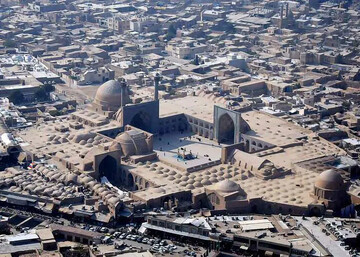
Archaeological remains from Italian excavations at Isfahan mosque to be reassessed
ISFAHAN – Archaeological findings uncovered by Italian archaeologists at Isfahan’s historic Jameh Mosque about six decades ago are set to undergo a new review, the director of the UNESCO-listed site has announced.
-
Archaeological excavations to resume at historic Zagros cemetery in Sanandaj
TEHRAN – Archaeological excavations at the historic Zagros cemetery in Sanandaj, Kordestan province, western Iran, are set to begin in the coming days following authorization from the Research Institute of Cultural Heritage and Tourism, a provincial heritage official said.