-
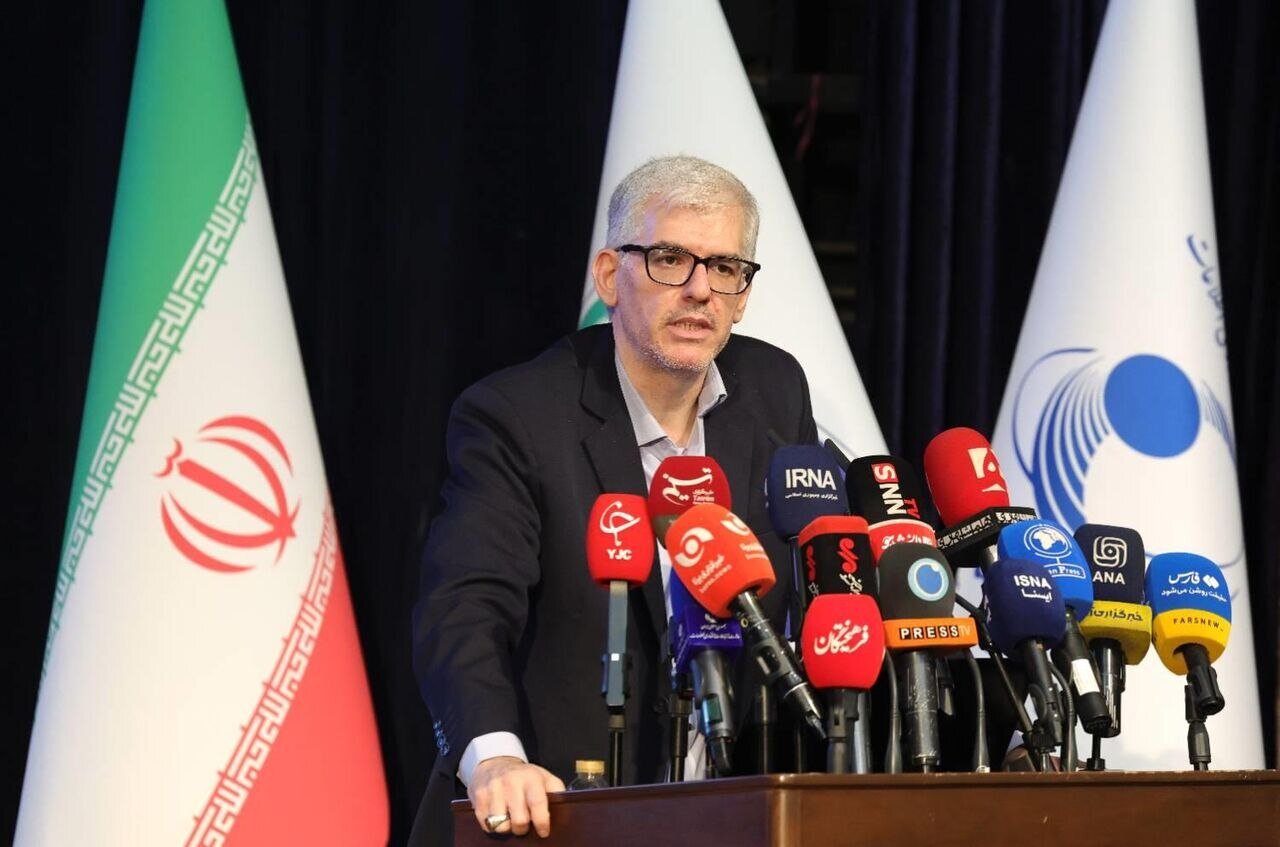
Iran marks historic milestones in space industry, expands indigenous satellite capabilities
TEHRAN — Iran has achieved a series of historic milestones in its space industry over the past two years, advancing indigenous satellite development, launch vehicle capabilities and the commercial application of space technology, according to the head of the Iranian Space Agency (ISA).
-
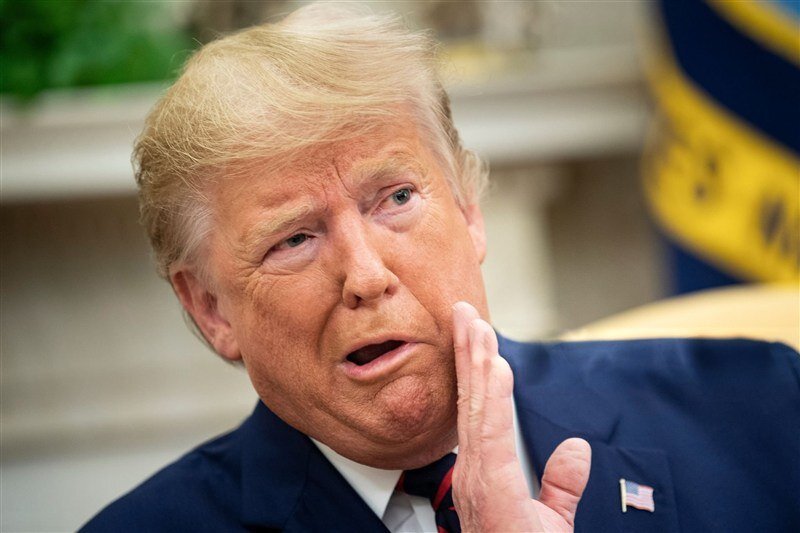
Iran refutes ‘Big Lies’ on nuclear program, drug production
TEHRAN— Iran’s Permanent Mission to the United Nations and other international organizations in Vienna has rejected US allegations that Iran was producing drugs at its nuclear facilities, describing the claim as another “BIG LIE” aimed at creating pretexts for aggression against the country.
-
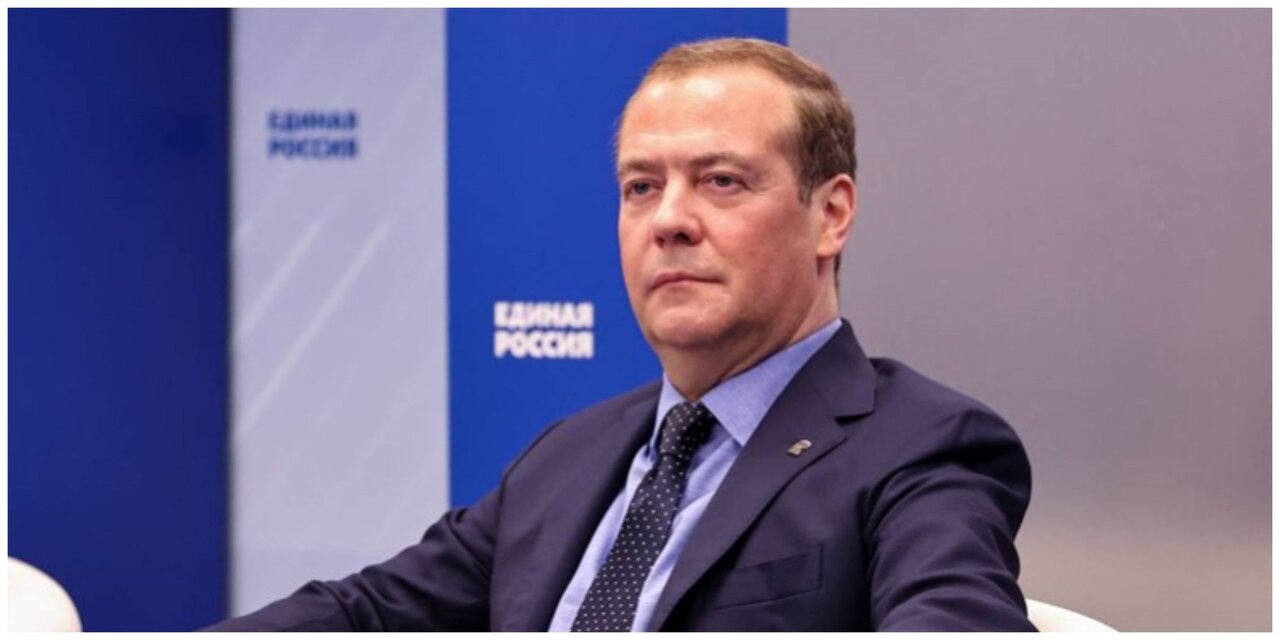
Medvedev vows Russia will never sacrifice strategic partnership with Iran
TEHRAN- Former Russian President Dmitry Medvedev has said the aggression against Iran has had serious consequences for the global economy, with people in the United States feeling the impact at home.
-
Iran marks historic milestones in space industry, expands indigenous satellite capabilities
TEHRAN — Iran has achieved a series of historic milestones in its space industry over the past two years, advancing indigenous satellite development, launch vehicle capabilities and the commercial application of space technology, according to the head of the Iranian Space Agency (ISA).
-
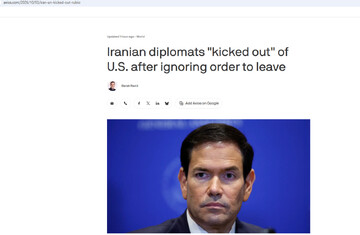
Iran rejects Axios report on expulsion of diplomats from US
TEHRAN — Iran has rejected a report by the US news website Axios claiming that two members of its delegation to the United Nations General Assembly left New York after failing to comply with a US State Department request to leave the country, with Foreign Minister Abbas Araghchi describing the alleged “expulsion” as a sign of “desperation and defeat.”
-
Iran refutes ‘Big Lies’ on nuclear program, drug production
TEHRAN— Iran’s Permanent Mission to the United Nations and other international organizations in Vienna has rejected US allegations that Iran was producing drugs at its nuclear facilities, describing the claim as another “BIG LIE” aimed at creating pretexts for aggression against the country.
-
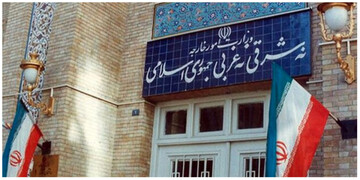
Iran hails departure of US forces from Iraq
TEHRAN — Iran has welcomed the departure of US and other foreign forces from Iraq after two decades, describing the development as an important and necessary step toward strengthening national sovereignty, territorial integrity and independence in the Arab country.
-
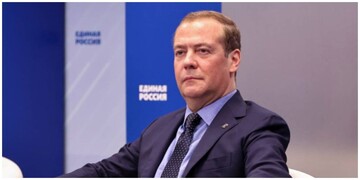
Medvedev vows Russia will never sacrifice strategic partnership with Iran
TEHRAN- Former Russian President Dmitry Medvedev has said the aggression against Iran has had serious consequences for the global economy, with people in the United States feeling the impact at home.
-
By Shahrokh Saei
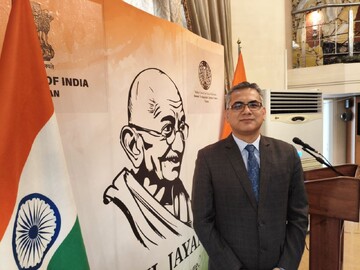
India’s new ambassador pledges to unlock ‘huge potential’ in Iran trade ties
TEHRAN — India’s new ambassador to Iran has emphasized the scope for expanding bilateral trade as one of his core missions, pledging to facilitate business matchmaking and explore mechanisms to overcome logistics and banking hurdles, particularly for humanitarian and essential goods.
-
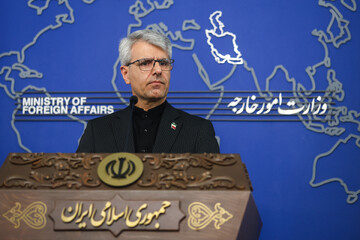
Iran says to deliver additional points on US counter-proposal
TEHRAN — Iran will convey additional points regarding a US counter-proposal to Tehran’s seven-day plan for reopening the Strait of Hormuz after completing the necessary assessments, Foreign Ministry spokesperson Esmaeil Baqaei said on Sunday.
-
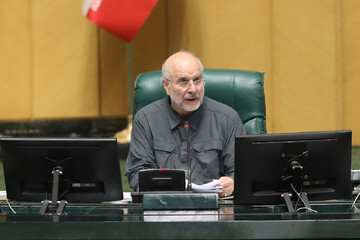
Qalibaf: Iran ready to spring new surprises on adversaries
TEHRAN — Iranian Parliament Speaker Mohammad Baqer Qalibaf has warned that Iran will continue to confront its adversaries with new surprises while pursuing military and diplomatic strategies in parallel, saying the United States has grown frustrated by the Iranian nation’s steadfast resistance.
-
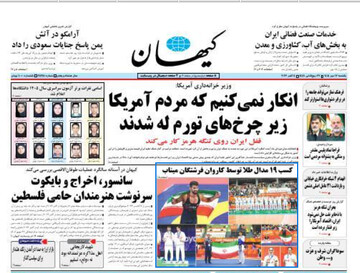
Keyhan: Strait of Hormuz exposes America's economic problems
In a note, Keyhan argued that the continued closure of the Strait of Hormuz has directly affected the US economy by driving up inflation and fuel prices. The newspaper said President Trump and his administration are working hard to prevent Republicans from losing the November midterm elections, which it says have become closely tied to the conflict with Iran and its economic consequences.
-
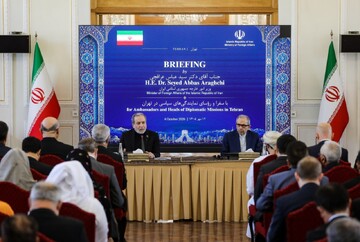
Iran vows stronger response to military attack
Araghchi says Iran remains ready for a diplomatic solution to US conflict
TEHRAN — Iran is ready for a diplomatic solution to its conflict with the US, but if Washington again chooses a military course, Tehran is more prepared than before to defend itself and will deliver a stronger response, Foreign Minister Abbas Araghchi said Sunday.