Russian experts Tehran and Moscow are building an informal strategic bloc
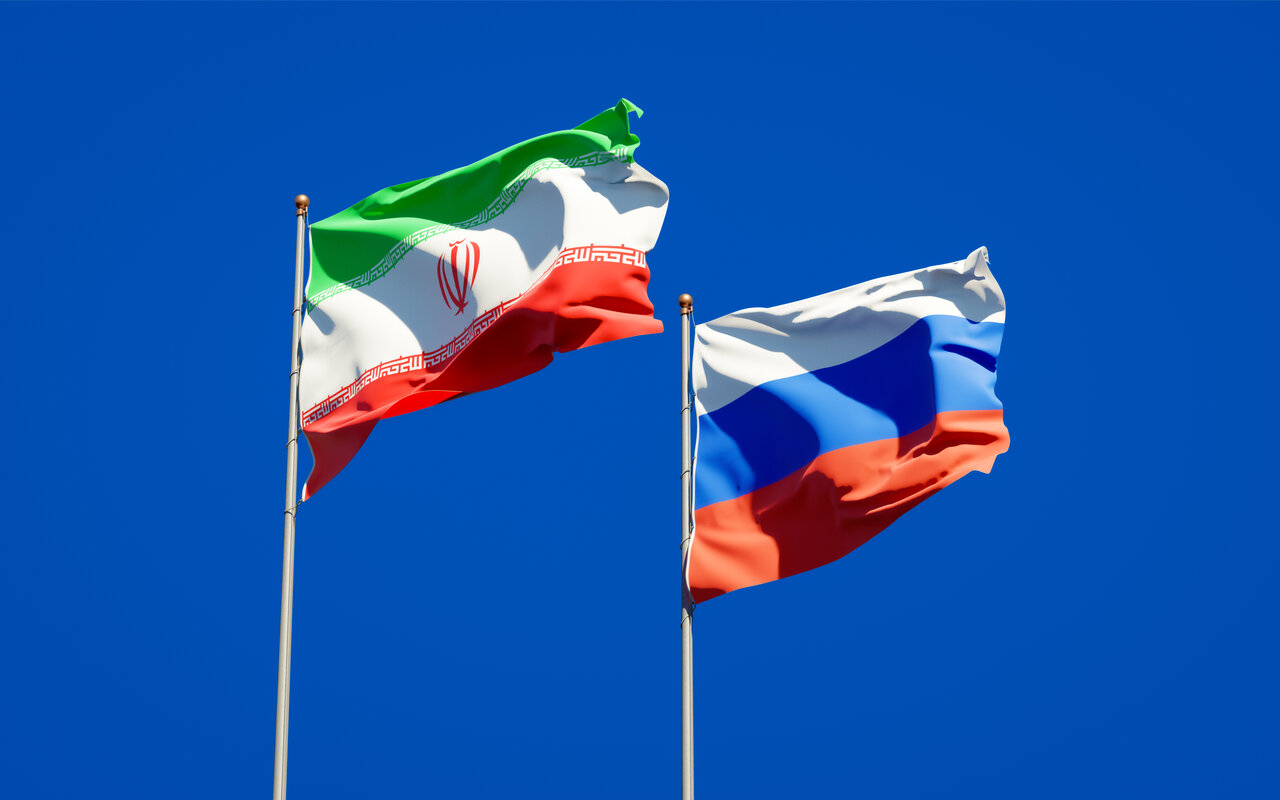
TEHRAN – A Russian foreign policy expert has suggested that Iran and Russia are moving toward forming an informal strategic bloc, with Tehran expecting more active support from its allies, including Moscow.
Anton Mardasov, speaking to the newspaper Izvestia, described the growing closeness between Moscow and Tehran as part of a broader process toward a new multipolar world order, while noting that the two countries hold some differences in their visions of its structure. Commenting on the recent talks between Iranian Foreign Minister Abbas Araghchi and his Russian counterpart Sergei Lavrov, Mardasov said pragmatic cooperation allows the two nations to align on key strategic and economic issues.
He emphasized that such a bloc is particularly important for rebuilding logistics and expanding economic relations, especially as both countries continue to face Western sanctions and unilateral measures. Economic considerations, he noted, have increasingly taken precedence over purely military-technical interactions in the current environment.
Mardasov also pointed out that Russia can play a significant role not only in supporting Iran at the United Nations but also in advancing Tehran’s regional security initiatives.
The comments followed Araghchi’s official visit to Moscow on December 16, 2025, where he met Lavrov for bilateral talks. At a joint press conference, Araghchi said the discussions covered regional issues including the South Caucasus, Afghanistan, Ukraine, as well as Palestine and the crimes committed there by the Israeli regime. The ministers also held extensive consultations on Iran’s nuclear program and other regional matters.
Araghchi highlighted that bilateral trade between the two countries has been rising, with new opportunities for expansion being explored. He announced that the next meeting of the Iran-Russia Joint Economic Commission, involving 17 specialized working groups, is scheduled for February 2026.
The Iranian foreign minister also stressed that Iran and Russia share common perspectives in countering sanctions and unilateral measures, and maintain close coordination within international and regional organizations.
Lavrov, speaking at the same press conference, announced a 15 percent increase in trade between Russia and Iran during the first ten months of 2025. He emphasized Moscow’s commitment to enhancing cooperation in securing the shared peripheral region of the two countries and said both nations have agreed to unite members of the international community who oppose Western sanctions. He added that they will continue efforts to mitigate the negative economic impact of illegal sanctions.
On the nuclear issue, Lavrov stated that Moscow and Tehran aim to normalize the situation surrounding Iran’s nuclear program through political and diplomatic means, working to prevent any destructive scenarios from unfolding.
Leave a Comment