Enemy seeking to hit Iran hard via economic pressure: Iran FM
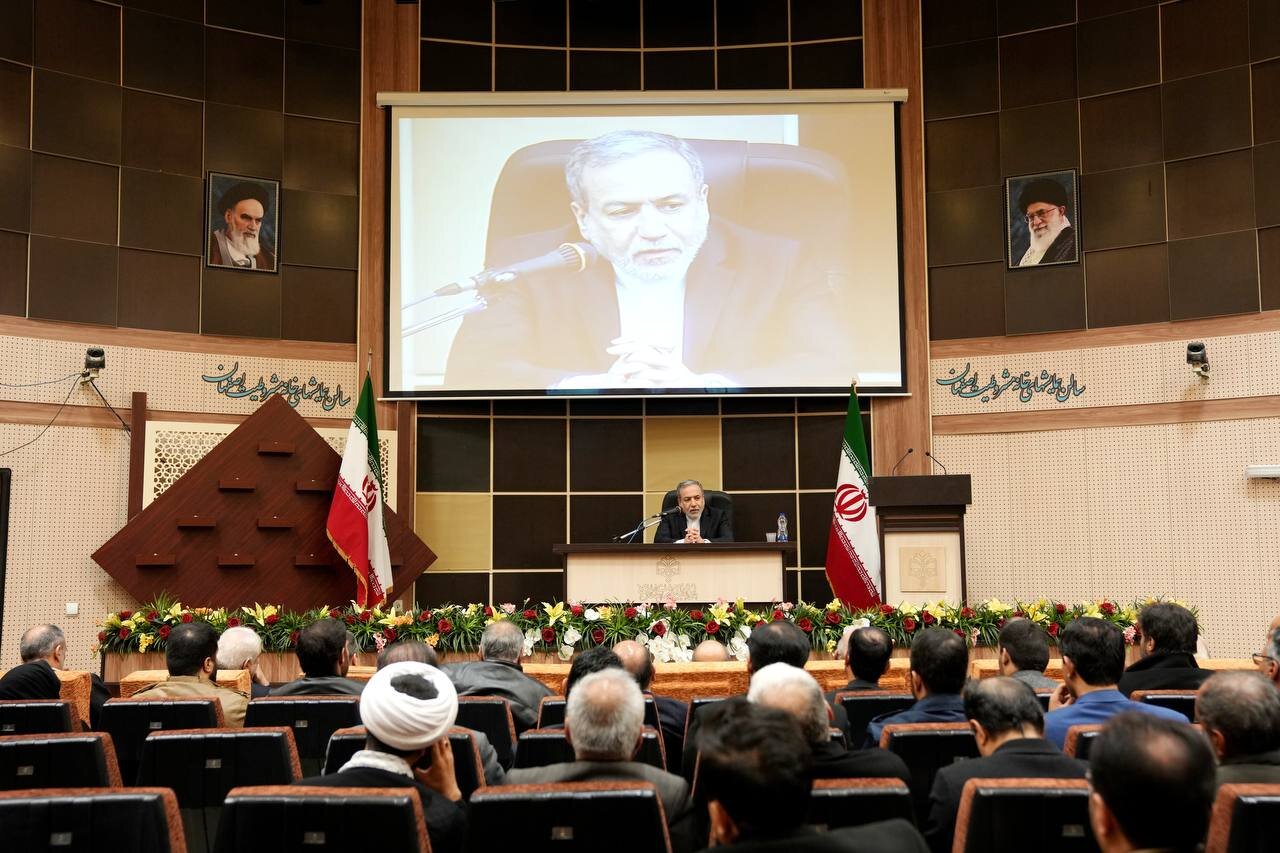
TEHRAN – Iranian Foreign Minister Abbas Araghchi says enemies are seeking to put Iran under economic pressure following their defeat in the 12-day act of military aggression against the country.
“The enemy is trying to trigger economic discontent, but as we passed through the 12-day war, we will thwart this conspiracy, too, and they will take this dream to the grave,” the top diplomat said in a meeting with economic activists in the central Iranian province of Esfahan.
“As, during the 12-day war, we managed to overcome that crisis using the missiles made by ourselves and through the resistance of the Armed forces and efforts by all people, now it is also essential that we join hands and foil enemies’ efforts to impose tough economic conditions on the Islamic Republic of Iran,” he explained.
He said the war ended with pride and dignity for Iran and showed resistance against foreign pressure can result in victory.
The Tel Aviv regime launched a flagrant and unprovoked act of military aggression against Iran on June 13, 2025, touching off a 12-day war that killed well over 1,000 people in the country, including military commanders, nuclear scientists, and ordinary civilians. The United States also got involved in the war by bombing three Iranian nuclear sites in gross violation of international law. Washington had been scheduled to attend a sixth round of nuclear talks on June 16, three days after the war began.
In response, the Iranian Armed Forces struck strategic sites across the occupied territories as well as the al-Udeid air base in Qatar, the largest American military base in West Asia.
The war's minimal objective was to dismantle Iran's nuclear program indefinitely, and its maximal one was to overthrow the Iranian government. Neither was achieved. Israel and the U.S. were ultimately forced to seek a ceasefire once it became clear their primary objectives had failed and the impact of Iranian missiles had proven catastrophic. Since then, they have ratcheted up economic pressure against the country, hoping it might paralyze Iran's economy.
A key tool in this pressure campaign is sanctions, which have been in place since Donald Trump took office for the first time and withdrew from the Iran nuclear deal in 2018. In August, France, Britain, and Germany invoked the so-called "snapback mechanism," a provision designed to reinstate pre-JCPOA UN sanctions. The Trump administration has also introduced new unilateral embargoes in recent months, targeting vessels and companies it claims facilitate Iranian oil transfers—the primary source of the country's income.
While these post-war economic measures have yet to yield their intended practical results, they have still impacted Iran's currency market. The market is highly sensitive to psychological pressure, and the volatility ultimately contributes to rising inflation rates.
Iranian lawmakers are pressuring the government to introduce economic relief measures, and the cabinet says it is preparing plans to be announced soon.
Leave a Comment