Ilam handicrafts displayed at exhibition in Iraq’s Kut

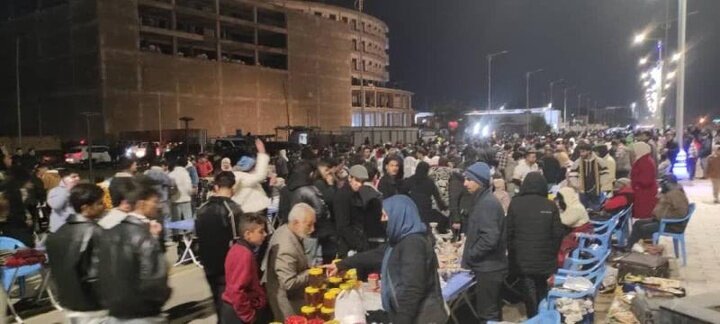
TEHRAN – Artisans from Iran’s western Ilam province have taken part in a handicraft’s exhibition in Kut, the capital of Iraq’s Wasit province.
Farzad Sharifi, director general of cultural heritage, tourism and handicrafts of Ilam province, said this marks the 20th time Ilam artisans have participated in the Wasit handicrafts exhibition, aiming to introduce local capabilities and expand exports of handicraft products.
“The continued presence of Ilam artisans at the Wasit province handicrafts exhibition has once again created an opportunity to present authentic arts, indigenous capacities and the production potential of the province’s artists at the international level,” Sharifi was quoted as saying by Miras Arya news agency.
He said Ilam artisans are displaying a range of handicrafts, including kilim weaving, leatherwork, pottery and traditional jewelry, reflecting the cultural and artistic identity of the province.
According to the official, the regular participation of Ilam artisans in exhibitions in Iraq has contributed to cultural diplomacy, strengthened cross-border interactions, supported marketing of handicraft products and helped create export opportunities for local artists.
The Wasit handicrafts exhibition is held weekly and attracts visitors and artisans from both countries, providing a platform for marketing, exchanging experience and expanding cooperation, Sharifi said.
One of Ilam’s best-known handicrafts is embossed kilim, a textile that combines simple kilim weaving with carpet knotting. The craft, which originated in the province and has been registered nationally as a souvenir and brand of Ilam, employs thousands of weavers and has become a key product promoted at regional exhibitions.
Ilam province is located in western Iran and shares about 425 kilometers of border with Iraq. It also borders the Iranian provinces of Kermanshah, Lorestan and Khuzestan. The name "Ilam" comes from "Elam", the pre-historic civilization that ruled the area in modern southwest Iran from 2700 BC to 539 BC. Archaeological findings date human settlement of the area to around 5000 BC.
AM
Leave a Comment