Culinary tourism, an overlooked potential of South Khorasan
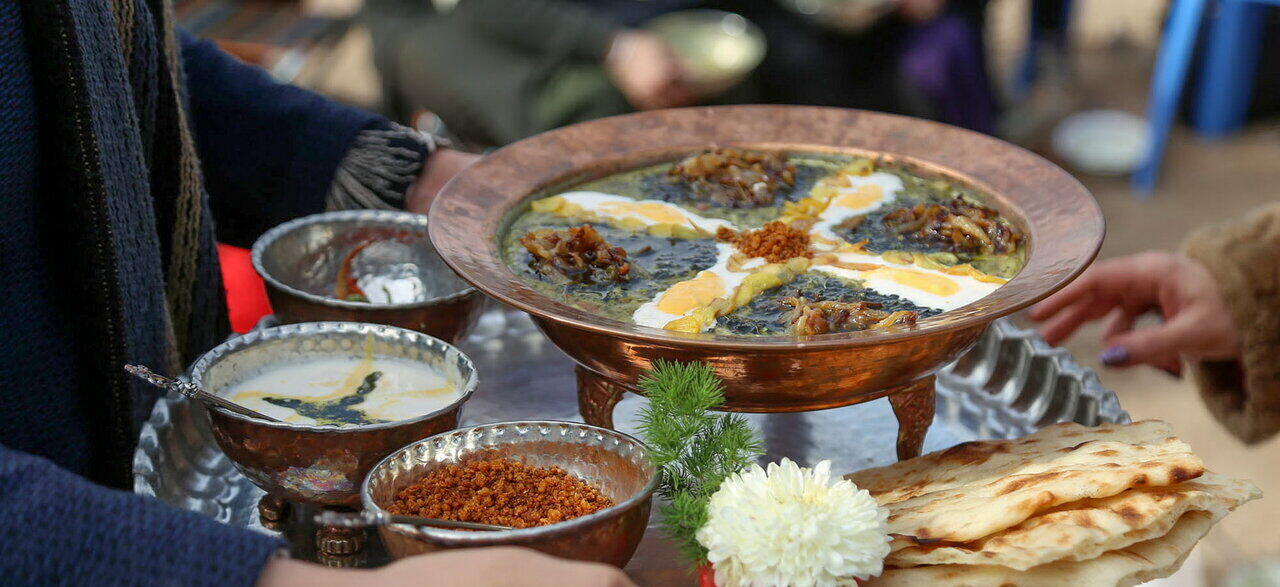
TEHRAN - South Khorasan province is home to a wide range of traditional foods that, despite their simplicity, reflect rich diversity and authentic flavors shaped by local climate and lifestyle. These culinary traditions offer significant but largely overlooked potential for the development of culinary tourism.
Rooted in the region’s ancient history, South Khorasan’s cuisine has evolved in harmony with its natural environment, a factor that distinguishes its dishes from those of other parts of Iran, IRNA reported.
Beyond their nutritional value, traditional foods in the province contribute to economic activity and are linked to fields such as traditional medicine and tourism. Some dishes also carry cultural and literary associations, adding to their appeal for visitors.
Women in South Khorasan, as in many regions across Iran, play a central role in preserving and preparing these simple, flavorful, and nutritious dishes, helping to sustain local culinary heritage.
The women of this province skillfully transform simple ingredients such as lentils, beans, local vegetables and meat into delicious and nutritious dishes. Kashk-e Bademjan (a staple dish made with eggplant and curd), Abgoosht (Iranian stew made with lamb, chickpeas, white beans, onion, potatoes, and tomatoes, and dried lime), and various types of Eshkeneh are just examples of the dishes that are usually prepared by local women. These dishes not only have a unique taste, but are also rich in nutritious ingredients and help maintain the health and well-being of families.
According to Head of South Khorasan Cultural Heritage, Tourism and Handicrafts Department Ahmad Barabadi, local dishes are closely related to the culture and climate of each region, and this province, like other regions of the country, has a special food culture and dishes.
He stated that the preparation of various local foods is derived from the climate and the type of livelihood of the South Khorasan residents. Given South Khorasan people’s livelihood based on agriculture and animal husbandry, cereals and meat are used in the preparation and cooking of these foods, he added.
Stating that most foods are prepared in a water-based form, he said that the Ministry of Cultural Heritage, Tourism and Handicrafts is taking steps to identify and register common foods from the perspective of registering intangible cultural heritage A total of 13 types of local foods, traditional breads and sweets have so far been registered in South Khorasan province.
Barabadi continued that also, five types of local foods are currently under review for registration on the intangible heritage list.
He noted that another perspective that has been important in the field of local foods is the field of culinary tourism, and good measures have been taken in this regard. Various festivals under the title of culinary tourism were held in the cities of the province and were welcomed by citizens and tourists, he added.
Also, Fariba Kaheni, a heritage registration expert from South Khorasan province, believes that the choice of traditional foods in this region was affected by the weather, so women, as the original inventors of local foods, paid great attention to this issue.
She said that also, traditional foods of South Khorasan were eaten according to the hot and cold seasons, so that in the summer they mostly consumed cold foods such as Ab Doogh Khiar (which is made of water, yogurt drink, and cucumber), and in the winter they consumed hot foods such as various types of Ash (local soups), Ghuloor (Bulgur wheat), and Eshkeneh.
The anthropology expert at said that also, some foods, such as types of Kachi (a kind of pudding), were used at special times, such as childbirth, because they were prepared from warm ingredients and are very nutritious for the body.
Kaheni considered the use of walnuts in South Khorasan cuisine a solution that was considered due to the distance from the sea, and said: “Since fish were not found in this region, women used walnuts in their dishes to provide the phosphorus needed by family members.”
She noted that another feature of traditional South Khorasan cuisine is the availability of ingredients and the short preparation time, as women usually cooked food from the same ingredients they had at home that was pleasing to the taste of family members.
She said that also, special foods were cooked in various religious ceremonies and occasions, including Sholeh (thick soup with meat, different legumes, bulgur, rice, nutmeg and other spices), and Haleem.
Kaheni said: "So far, foods such as ‘Qurut’ from South Khorasan have been nationally registered, and the case of ‘Eshkeneh with waltnut’ is also under review.”
She considered documentation as a main strategy for reviving traditional foods in South Khorasan and said that the media plays an effective role in introducing traditional foods, changing lifestyles and identifying this type of nutrition to the new generation.
The anthropologist continued that including local foods in the list of restaurants and ecotourism in the province has been a solution that has been followed so far and has been welcomed by tourists.
She emphasized that during special times of the year, such as Nowruz, when the largest number of tourists travel to the province, with proper planning, a festival of native and local foods can be held.
KD
Leave a Comment