Yazd, a warm refuge of history in winter
TEHRAN - Yazd, a UNESCO-listed adobe city, is not merely a winter destination but a refuge, where the ingenuity of ancient architecture tames the cold and preserves the warmth of the sun within its earthen walls.
Media activist Maliheh Fakhari wrote in a note: A trip to Yazd in February is not like a typical trip; it is an encounter with the living history, Miras Aria said.
When you walk through [the narrow] Ashti-Konan alleys in historical neighborhoods such as Fahadan, the first thing that fascinates you is the intelligence of the architects who, centuries ago, without any modern tools, defined the concept of climate comfort in the brick texture of the city. This season, Yazd is a showcase of the splendor of its cultural heritage, where the windcatchers, although temporarily resting from the hot summer winds, still line the city's skyline with all their grandeur.
One of the scientific and fascinating themes to look at winter season is the phenomenon of ‘thermal inertia’ in the traditional architecture of Yazd. Eco-friendly materials such as clay and mud, with their high thermal capacity, store the gentle heat of sunny desert days in their hearts and slowly breathe life into interior spaces on cold nights.
This is the sustainable heritage that the world is looking for today. A tourist who stays in an eco-friendly accommodation in the heart of Yazd's historical fabric this month is not just booking a room, but is also experiencing a 1000-year-old biotechnology.
The Sabats (mudbrick sun shelters) of Yazd also find a different and attractive function in winter. These magnificent structures, known for providing shade in the summer, prevent the Earth’s heat from escaping on cold days and create warm corridors for passersby. Here, the cultural heritage is intertwined with people’s daily lives. The sound of a bicycle passing under a Sabat, or the smell of local Taftoon bread blowing through the humid atmosphere of the alleys, are part of that intangible heritage that comes to life again in month of Bahman (January-February).
On the other hand, Yazd in winter season is a manifestation of the handiwork of women and men who weave the warmth of their love into the fabric of Termeh (fine and precious handmade cloth with traditional patterns) and Darayee (a type of fabric woven by interlacing threads of silk or cotton, which are pre-dyed using a tie-dye technique).
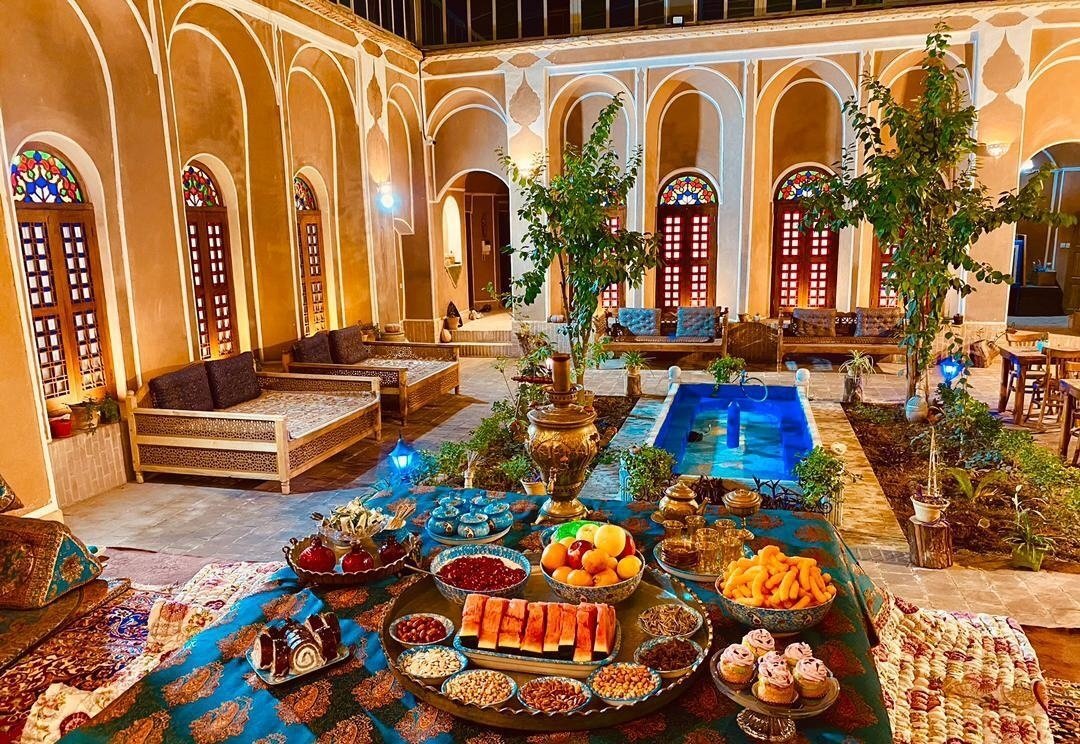
Yazd’s handicrafts flourish as much during the long winter nights. Sitting at the feet of traditional textile looms in cozy workshops of historical weaving is itself a form of experience-based tourism. The combination of these nights with intimate gatherings in houses with central courtyards and turquoise pools also provides an opportunity to redefine culinary tourism. More than a snack, Ash Shooli (a kind of Yazdi soup) and Yazdi coffee are part of the historical identity of this land, warming tourists in the bone-chilling cold of the desert.
The UNESCO-registered Yazd has placed a heavy responsibility on our shoulders to preserve this living texture. Yazd should not lose its identity under the pressure of mass tourism. Tourism development in winter season should move towards responsible tourism; that is, viewing the splendor of its heritage without damaging its fragile body.
Yazd needs constant rereading so that new generations can learn how to reconcile with nature and build a civilization that has stood firm for thousands of years in the heart of the desert.
Ultimately, Yazd in February is more than a point on the map; it is a feeling. The feeling of security in the embrace of high adobe walls and the feeling of peace in a city where there is no rush.
Yazd in this season is the best suggestion to return to oneself and watch the splendor that time has not been able to put dust on its face. This year, winter should be spent in Yazd; where history, with hot tea and the smiles of the desert people, will give you the warmest welcome.
KD
Leave a Comment