Archaeological excavation permit issued for Nahavand historical fortress
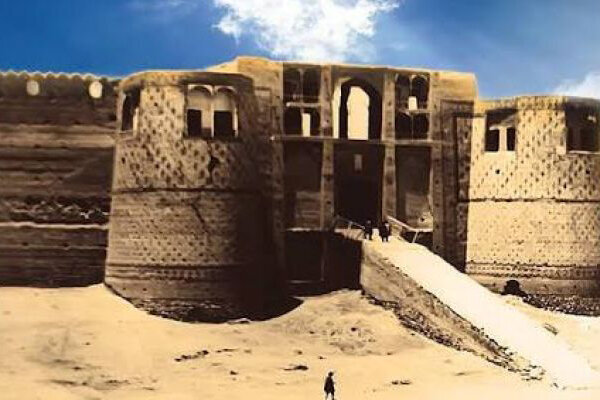
TEHRAN--The Archaeological Research Institute has agreed to issue a permit for archaeological excavation in Nahavand fortress in Pay Qaleh neighborhood in Nahavand, Hamedan province.
Head of Hamedan Cultural Heritage, Tourism and Handicrafts Department Mohsen Masoom-Alizadeh, announced the start of the archaeological excavation of Nahavand fortress and said: “This historical fortress is one of the important symbols of Nahavand, which has entered a new stage after years of neglect.”
After the end of the excavation, the stages of restoration of the fortress will begin, and in the near future it will become one of the historical and touristic landmarks of the province, he pointed out.
According to IRIB, Masoom-Alizadeh said that based on initial evidence, the artifacts found in the area have great historical importance and can mark a new chapter in the history and culture of Nahavand.
Stating that the ultimate goal is to nationally register Nahavand fortress as one of the city's identical, historical, and cultural indicators, he added that based on the criteria and before any development action in the area, it was necessary to conduct archaeological excavations and, with emphasis on the opinion of the Cultural Heritage Research Institute, therefore, the issue was included in the work plan of the Cultural Heritage Department.
Emphasizing the role of the interdepartmental cooperation, he added that the cooperation between Nahavand Municipality, Hamedan Cultural Heritage Department, and the support of the city's representative in Iranian Parliament led to a move forward in the field of Nahavand tourism and provided the basis for the revival of one of the important tourism infrastructures of the city, a capacity that can play an effective role in the development of tourism in the region.
He continued that Nahavand is one of the important counties in Hamadan province, with 325 historical and natural monuments, 128 of which have been registered in the country's National Heritage List.
In addition, the existence of historical hills with a history of more than 6,000 years indicates the unparalleled historical richness of the county, he added.
Masoom-Alizadeh said: “We hope that through cooperation between the departments, the basis for better use of the historical and tourism capacities and potentials in the province will be provided, and in the future, we will witness a more appropriate introduction of the various tourism capacities and cultural heritage of Hamadan.”
KD
Leave a Comment