A 'good' restart for Iran-US talks, but path ahead remains unclear
Deep mistrust of Washington persists as both sides return home for consultations
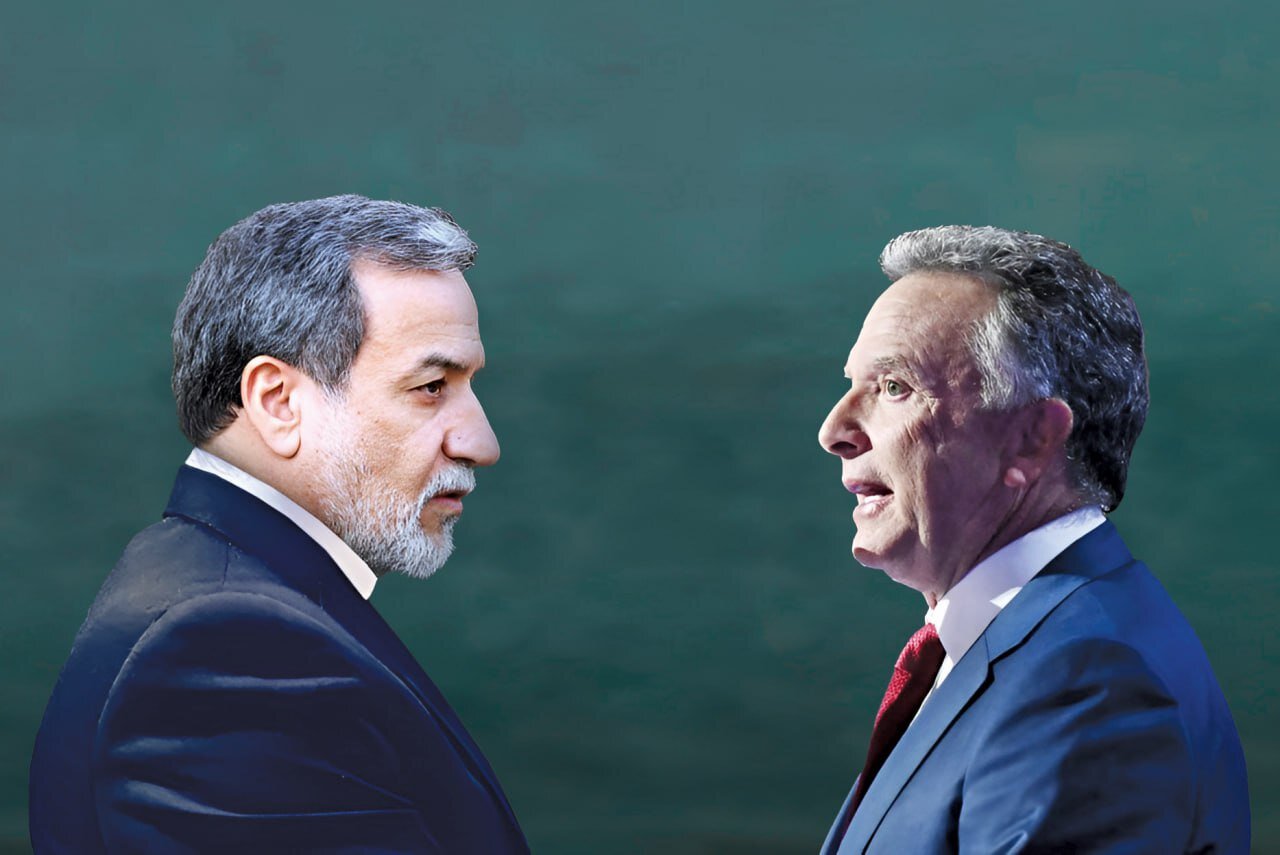
TEHRAN – Iran and the United States held discussions on Friday in Muscat over Iran’s nuclear program and the possibility of a new agreement that would curb certain nuclear activities in exchange for the termination of sanctions. The talks were mediated by Oman’s foreign minister, Badr Albusaidi, who acted as a go-between for the two sides.
While the discussions did not appear to be disappointing, they unfolded amid deep scepticism in Tehran. Previous rounds of talks in April and May 2025 were abruptly halted after a coordinated U.S.-Israeli bombing campaign struck Iran’s nuclear, military, and civilian infrastructure, killing more than 1,000 Iranians. About eight months later, analysts say Iran’s nuclear capabilities have not been “obliterated,” as President Donald Trump claimed at the time, but at most delayed. Public debate inside Iran has since intensified, with some voices urging the government to reconsider its nuclear doctrine in light of the more than 400 kilograms of highly enriched uranium the country still possesses.
Reporters from IRIB and IRNA accompanied the Iranian delegation, which included Foreign Minister Abbas Araghchi, Foreign Ministry spokesman Esmaeil Baghaei, and two deputy foreign ministers responsible for legal and economic affairs. The American delegation was once again led by special presidential envoy Steve Witkoff. Trump’s son-in-law, Jared Kushner, was added to the delegation this time, and a photograph of the American negotiating team speaking with Oman’s foreign minister showed that CENTCOM Commander Brad Cooper was also present at the discussions.
Speaking to IRIB after relaying messages with U.S. officials during two separate three-hour sessions, Araghchi said the sides had exchanged views following a prolonged pause and thanked Oman for its role in hosting and mediating the talks.
“All issues that needed to be raised were conveyed in a positive atmosphere, and the perspectives of the other side were heard,” he said. He described the talks as a “good beginning,” but cautioned that any continuation would depend on decisions taken in Tehran and Washington in the coming days.
Araghchi made clear, however, that expectations in Tehran remain limited. He said rebuilding trust with Washington would be a prerequisite to any serious discussion of a new framework.
“We have reached a stage where, after eight turbulent months of war and other developments you are aware of, the process of dialogue is resuming,” he said. “But the deep mistrust that has accumulated—on top of what already existed—poses a serious obstacle. Before designing any new framework that safeguards the interests of the Iranian people, this atmosphere of mistrust must be addressed.”
Much of that distrust can be traced to Trump’s record. During his first term, he withdrew the United States from the 2015 nuclear accord, known as the JCPOA, and launched a “maximum pressure” campaign that imposed sweeping sanctions on Iran. Those measures have severely damaged Iran’s economy. This week, Treasury Secretary Scott Bessent acknowledged in testimony to the U.S. Senate that the Treasury Department deliberately triggered a dollar shortage in Iran back in December, contributing to a currency collapse, surging inflation, and protests.
Those protests were later infiltrated by Mossad-linked elements who took to the streets armed on January 8 and 9, setting fires across several cities and killing more than 2,500 security personnel and civilians. During the unrest, Trump repeatedly announced that the United States was going to attack Iran to "help" the rioters and openly encouraged them to seize government buildings.
Washington ultimately refrained from launching an attack after the unrest fizzled and Iranian officials warned that any military action—no matter how limited—would be treated as the start of a full-scale war. They also said that such a conflict would quickly expand across the region, drawing in allies in Iraq, Lebanon, and Yemen, and potentially leading to the closure of the Strait of Hormuz and as well as the Red Sea.
Friday’s talks followed sustained diplomatic efforts by regional states. At least eight countries urged President Masoud Pezeshkian and Foreign Minister Araghchi in separate calls to give diplomacy another chance, assuring them that Washington was, this time, serious about seeking a negotiated outcome.
If that is the case, analysts believe future agreement could go beyond Iran’s commitments under the JCPOA while stopping short of dismantling uranium enrichment or addressing Iran’s missile program and regional alliances.
Iran, however, is not lowering its guard. Multiple sources have told the Tehran Times that the armed forces remain fully alert and are not basing their posture on the progress of the talks, adding that any renewed escalation by Washington would be met with swift responses.
Meanwhile, the United States has been sending naval assets to the Persian Gulf and says more warships are sailing toward the region. Such vessels would be highly vulnerable to swarms of Iranian missiles and drones should another war break out.
By 9 p.m. local time, Washington had still not publicly commented on the Muscat discussions. Instead, it announced new sanctions on Iran, saying they targeted 15 entities and 14 vessels tied to the country’s petroleum trade.
Leave a Comment