Layalestan registered as Iran's bamboo weaving village
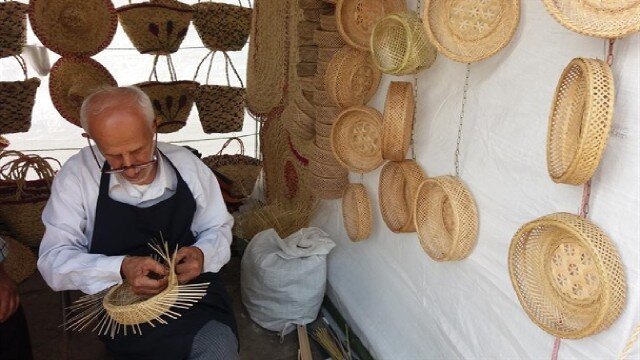
TEHRAN -- Director General of Gilan Cultural Heritage, Tourism and Handicrafts Department Yousef Salmankhah announced national registration of Leyalestan village in Gilan province as Iran's bamboo weaving village.
He said on Monday that bamboo weaving in Leyalestan village is not an isolated activity, but rather part of the livelihood system, architecture, climate adaptation and work culture in the region, and the national registration of the village shows that handicrafts are lasting and effective when they are part of people's lives, ISNA reported.
Salmankhah said: “This registration is not just a title or administrative certificate, but rather a recognition of a traditional art and living heritage, indigenous knowledge and cultural identity rooted in the geography of Gilan, which has been passed down from generation to generation and has today become a national capacity.”
He added that Layalestan is a clear example of the successful connection between nature, livelihood, and art.
Referring to the importance of this registration in the development of handicrafts in the province, Salmankhah said that national handicraft villages are strategic centers of development centered on handicrafts.
The registration of Leyalestan can lead to the concentration of support, targeted training, improvement of production quality, creation of a value chain, and ultimately an increase in the income of local artisans, he pointed out.
Stating that from the perspective of branding and cultural marketing, the national bamboo weaving village can become a culture-based identity symbol for Gilan, he continued: “When a product has a specific origin, cultural narrative, and local authenticity, its competitiveness in the market multiplies; A brand that has both economic value and conveys an environmental and cultural message.”
Salmankhah said that the national handicraft village is a suitable site for development of cultural and experience-based tourism. “Visiting thatch weaving workshops, getting to know traditional construction methods, participating tourists in the production process, and linking this experience with eco-tourism accommodations can lead to the formation of a sustainable rural tourism model.”
He emphasized: “The registration of Layalestan also makes our responsibility heavier. Protecting authenticity, preventing destructive commercialization, truly supporting artists, and transferring indigenous knowledge to the younger generation are among the tasks that must be pursued simultaneously with the introduction and promotion of this title.”
Salmankhah noted that Layalestan today is not just a village, but rather a symbol of the neglected potential of Gilan handicrafts. “This national registration can be a model for other villages in the province to follow the path of sustainable, identity-based, and people-based development centered on handicrafts, relying on their indigenous assets.”
Bamboo cultivation has over 100-year history in Iran and Lahijan city and the villages of Layalestan and Seda Poshteh Rural Districts are the origin of its production and handicrafts in the country.
KD
Leave a Comment