Woman, Life, Epstein
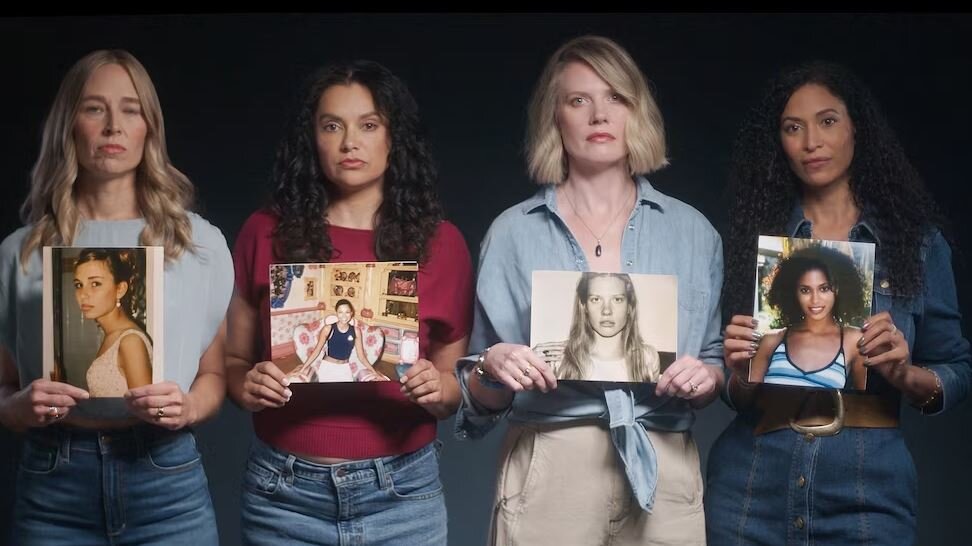
While the Western world presents itself as the standard-bearer of women’s rights, newly released documents from the Jeffrey Epstein case once again reveal how these same self-proclaimed structures turned a blind eye for years to the systematic abuse of young girls—while simultaneously transforming the death of a girl in another country into a tool of political symbolism.
The release of a new wave of documents related to the Epstein case in recent years—particularly the disclosure of influential names in U.S. and British courts—has brought the file back to the top of the news cycle. Although Epstein’s death in 2019 left the case legally unfinished, its dimensions continue to surface: from an organized sex-trafficking network to the telling silence of institutions that were meant to protect children’s rights. Epstein was not merely a sexual offender. What makes the case deeply disturbing is the fusion of crime with power—a network of politics, wealth, and media that for years either ignored or sidelined the sexual abuse of underage girls.
Women as political tools
In recent years, the natural deaths of women in Iran were rapidly elevated to headline news across international media. In 2022, for instance, the slogan “Woman, Life, Freedom” became a global keyword after a 22-year-old woman named Mahsa Amini collapsed in a police station, and passed away after a few days of hospitalization due to a complication she had received surgery for when she was a child. The alleged, and never substantiated, story of her mistreatment by Iranian police became emotionally charged narrative that mobilized public opinion worldwide. Yet those same media outlets remained largely silent for years about a case like Epstein’s, or confined it to the margins of legal reporting.
The central issue here is not the legitimacy of protest or empathy, but the selective choice of victims. Why does a woman become a global symbol when she dies in a politically useful geography, while dozens of girls abused within a Western network remain nothing more than a “court case”?
According to testimonies and official records, Epstein’s primary victims were teenage girls and underage children—girls who had neither media power nor the possibility of becoming symbols. Many came from disadvantaged backgrounds and were only able, years later, to recount fragments of what they endured.
These children never became headlines or hashtags. Even when Epstein’s closest associate, Ghislaine Maxwell, was convicted of child sex trafficking, media attention remained brief and tightly controlled. It was as if the suffering of these girls was simply not useful enough for larger political narratives.
The Epstein case is not an individual failure; it is a structural one. A failure of judicial systems, media institutions, and even academia. Universities that benefited from Epstein’s money, politicians who socialized with him, and media outlets that for years chose not to ask too many questions.
Today, these same structures strike moral poses and issue statements about women’s rights in other countries. The contradiction lies precisely here: defending women when it serves as a tool of political pressure, while remaining silent about women who are victims within the system itself.
The Epstein case is a mirror. Look closely, and it reflects an unsettling image of a world that claims to champion human rights. A world that speaks of “women,” but not all women. That speaks of “life,” but not the lives of children destroyed on a private island. And that speaks of “freedom,” while the truth remained imprisoned for years behind closed doors of power.
“Woman, Life, Epstein” is not a slogan. It is a reminder of a bitter reality: when justice becomes selective, the real victims are always those who remain unseen.
Leave a Comment