'Cultural heritage and tourism, strategic necessities for Hormozgan’s sustainable development'
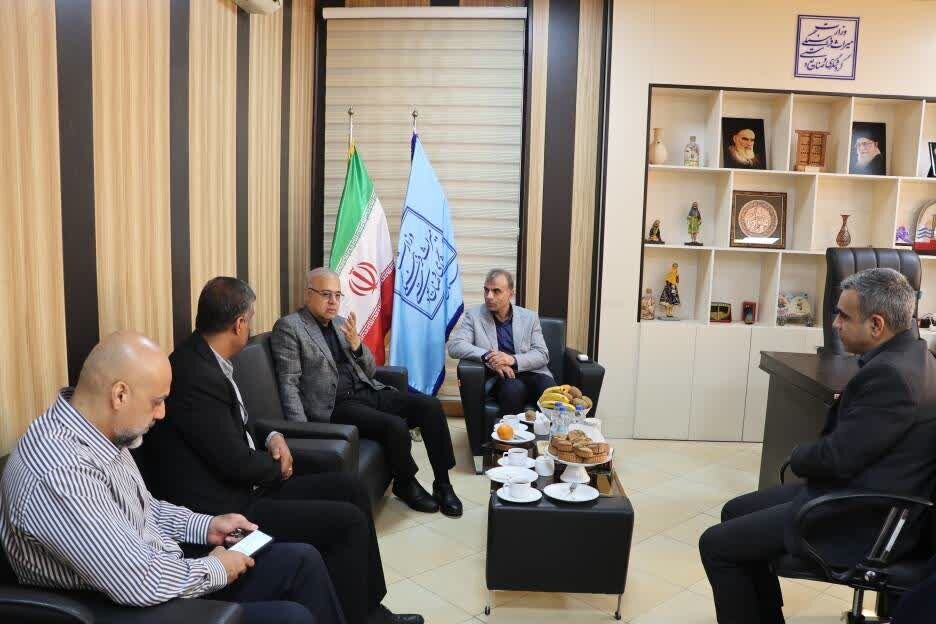
TEHRAN--Cultural heritage and tourism sectors are strategic necessities for the future of Hormozgan province that requires comprehensive and transformation-oriented planning.
In a meeting with managers of the province's cultural heritage, tourism, and handicrafts sectors on Saturday, Hormozgan Governor-General Mohammad Ashouri Taziani stated: “Cultural heritage, tourism, and handicrafts are the main drivers of the province's development, and developments in these sectors are inevitable; therefore, these changes must be managed properly and turned into opportunities through coherent planning,” IRNA reported.
Emphasizing the need to compile upstream documents, Ashouri Taziani stated that Hormozgan province needs a comprehensive plan in the fields of cultural heritage, tourism, and handicrafts to accurately outline the current situation, as well as define the goals, vision, and future direction.
He added that the relevant provisions in the Seventh Five-Year Development Plan, especially in the field of sea-based development, should be the basis for planning and action by executive agencies.
Referring to the natural capabilities of the province, he said that the existence of about 400 small and large water inlets, international wetlands such as Khor Azini, protected and registered world areas, as well as 14 islands with tourism potentials, has provided a unique opportunity for the development of marine, coastal and nature tourism.
According to him, about 22 percent of the province's geography is within the limits of international wetlands and protected areas, which has created a special environmental and tourism capacity.
Ashouri Taziani also explained the new approach in the province and stated: “In this approach, the entire Hormozgan area is seen as an integrated whole, and the various islands and regions of the province are defined as complementary components of each other; The existing capacities in free zones and islands should be activated within the framework of a coherent program.”
Emphasizing the development of tourism infrastructure, he said that Hormozgan province, especially in Bandar Abbas and some potential areas, is facing a shortage of standard hotels, and this issue needs to be improved.
He stated that the Supreme Council for Urban Planning and Architecture has made efforts to facilitate the construction of suitable hotels, and providing investment incentives including reducing or eliminating construction fees, can play an effective role in attracting the investors.
Emphasizing the role of the local community in the development of marine-based tourism, Ashouri Taziani stated: “In addition to creating sustainable employment, this sector requires innovative ideas and active participation of local people, and without the support of the local community, sustainable development will not take place.”
Referring to the importance of protecting the province's tangible and intangible cultural heritage, he noted that although hundreds of historical monuments of Hormozgan have been registered, intangible heritage such as music, rituals, clothing, architecture, and local traditions require more serious documentation and protection.
He emphasized that in a situation where some trends seek to distort or confiscate cultural identities, registering, revitalizing, and introducing the intangible heritage is very important.
Ashouri Taziani announced plans to launch Hormozgan Encyclopedia Foundation and said: “This measure aims to provide the cultural identity and document the province's historical, natural, and social capacities and can be the beginning of a broad and lasting cultural movement.”
Referring to the diversity of handicrafts and maritime history of the province, he emphasized the revival of indigenous disciplines, including traditional lenj building and rituals related to seafaring. “Hormozgan should not be known only by industrial indicators; Along with the industry, the province's cultural and historical capacities should be highlighted to achieve balanced development based on cultural attachment.”
Hormozgan province, with two free zones, five special economic zones, 14 islands, 165 coastal villages, international wetlands, mangrove forests, and a privileged geopolitical location, has unparalleled capacities in coastal, marine, and ecotourism, some of which have not yet been discovered.
Hormozgan has more than 420 nationally registered works in the fields of culture, history, architecture, nature, and intangible heritage.
KD
Leave a Comment