‘Good progress’ in Iran-US talks, but ‘more difficult’ days ahead
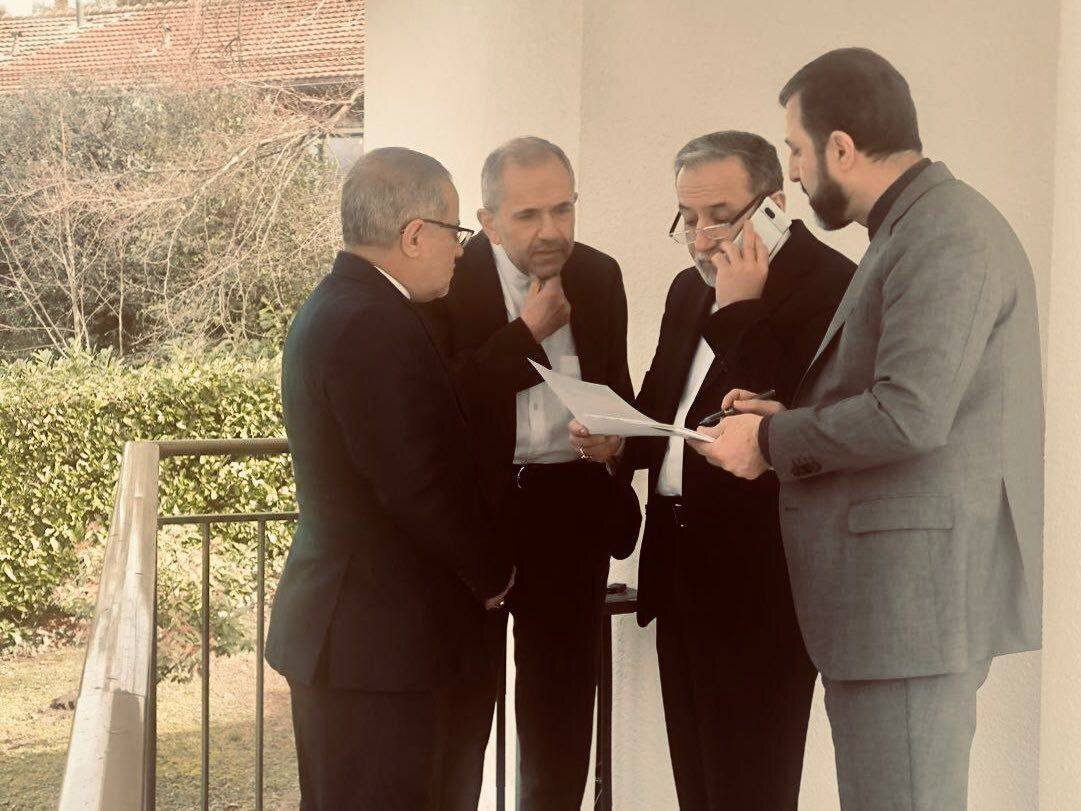
TEHRAN — Iran and the United States held a second round of nuclear talks in Geneva on Tuesday, with Iranian officials describing the discussions as more serious and constructive than the previous round, while cautioning that a final agreement remains distant and difficult negotiations lie ahead.
Speaking to IRIB after the meetings, Foreign Minister Abbas Araghchi said the Omanmediated talks had moved beyond preliminary exchanges and entered a more substantive phase. Consultations began a day earlier and culminated in what he described as “serious discussions,” marked by a more constructive atmosphere and the exchange of “multiple ideas.”
Araghchi had earlier described the first round of negotiations, held on February 6, as a “good start.” This time, he said, the two sides reached a general understanding on a set of principles that could later serve as the basis for drafting an agreement. He stressed, however, that no breakthrough had yet been achieved, adding that the latest round showed the negotiations had now “seriously begun.”
“Once it comes to drafting the text, the work becomes difficult,” he said.
Oman’s foreign minister, Badr Albusaidi, who has been mediating between Tehran and Washington, echoed that assessment. “Today’s indirect negotiations between the Islamic Republic of Iran and the United States of America in Geneva concluded with good progress towards identifying common goals and relevant technical issues,” he wrote on X.
A U.S. official also acknowledged movement in the talks, telling Axios that the negotiations “made progress,” but added that “there are still a lot of details to discuss.”
Despite the cautiously positive tone, Iranians have entered the new round of discussions with deep skepticism. The United States scrapped the previous negotiations by joining Israel in a bombing campaign that President Donald Trump later said he had been “in charge of” from the beginning. The strikes, which lasted 12 days before the U.S. and Israel requested a cease-fire, damaged Iran’s nuclear, military, and civilian infrastructure and killed more than 1,000 Iranians. They failed, however, to achieve their stated objective: dismantling Iran’s nuclear program.
Iranian officials say they are ready to reach a deal that would assure Washington that Iran will not pursue nuclear weapons, while still respecting its right to enrich uranium under the Non-Proliferation Treaty. They also insist that non-nuclear issues — including missiles and regional alliances — are not subject to negotiation.
The problem with the United States, two Iranian officials told the Tehran Times, is that it remains unclear whether Washington genuinely wants a deal. They point to the U.S. attacks on Iran in the middle of the previous talks, as well as the contradictory positions American officials take at the negotiating table and in statements to Western media. The Tehran Times understands that during the first two rounds, the U.S. side has so far respected Iran’s red lines in the talks themselves. But American officials have frequently crossed those lines in comments to reporters. After the first round, Trump said Iran would have to accept zero enrichment and abandon its ballistic missile program to reach an agreement — conditions Tehran has long rejected.
Another U.S. behavior that Iranians view as a sign of a lack of seriousness is the long pauses between negotiation rounds, as well as Washington’s apparent effort to schedule the Iran talks alongside discussions focused on the war in Ukraine and Israel’s genocide in Gaza.
Speaking to an IRNA reporter on Tuesday, Foreign Ministry spokesman Esmaeil Baghaei, a member of Iran’s negotiating team, said the issue of time is extremely important to Tehran. “We are prepared to stay here for as long as necessary to finalize any agreement — for several days, or even several weeks,” he said. “We hope to see the same level of seriousness and goodwill from the American delegation.”
No date has yet been set for a third round of talks, Araghchi said in a second conversation with reporters in Geneva. He noted that both delegations agreed to return to their capitals to refine draft texts before deciding on the next meeting. The recent discussions, he added, helped clarify the path forward, even as “significant gaps” continue to separate the two sides.
Leave a Comment