Ramadan customs can become cultural tourism product, researcher says
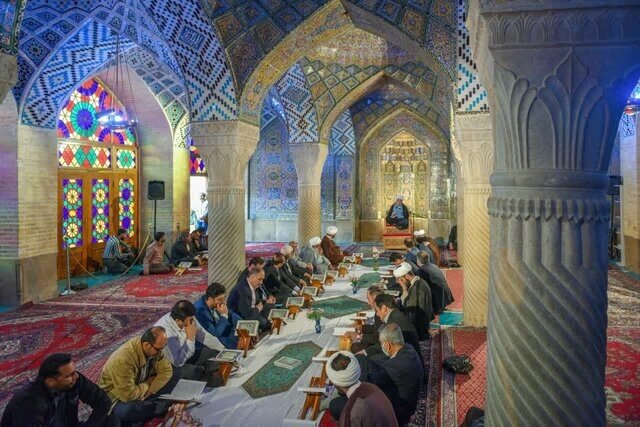
TEHRAN — The holy month of Ramadan revives deep-rooted rituals that connect faith, popular culture and social life, offering strong potential for cultural narration and ritual tourism development.
As an example, in the southern Fars province, traditions such as cannon firing resembles sighting of the crescent moon, local iftar meals and the “Shab-Chareh” night snack gatherings form part of the region’s intangible heritage and could be developed into cultural tourism products.
Amirhossein Hekmatnia, a tourism researcher, author and university professor, said Ramadan rituals in Fars reflect not only religious beliefs but also layers of cultural identity, social solidarity and the historical memory of local communities, Miras Aria reported.
Referring to the “Kolookh-Andazan Day” ritual as one of the ancient traditions welcoming Ramadan, he said people gather in promenades around the city at sunset, symbolically declare their innocence of past sins and prepare for the month of worship by breaking loaves and reciting prayers. He described the ritual as embodying concepts of purification, moral renewal and spiritual preparation.
Hekmatnia also cited the “Valoon” custom in Shiraz as an example of the link between religious observance and family ties. In the first Ramadan after a girl’s marriage, the bride’s family sends a complete iftar meal along with traditional gifts and clothing to the groom’s house, a practice he said reinforces social and symbolic bonds within the family.
In Estahban, the sighting of the Ramadan crescent moon is traditionally announced by firing several cannons. Upon hearing the sound, people say, “The cannon was fired, the moon was seen,” a practice rooted in pre-modern methods of public communication, he added.
Hekmatnia described “Shab-Chareh” in Shiraz as a manifestation of Ramadan’s night-time social life. After iftar, families visit one another, converse, recite the Quran and share foods such as Ranginak (date-based sweets) and Zoolbia Bamieh (deep-fried dough pastries soaked in syrup) until dawn.
He also noted that iftar tables set up in green spaces and parks reflect the spirit of participation and social coexistence embedded in Shiraz’s Ramadan culture.
In conclusion, Hekmatnia called for systematic documentation and professional narration of these traditions. “The Ramadan rituals of Fars province have significant potential to become cultural products and ritual tourism attractions,” he said, adding that with a scientific and strategic approach they could help strengthen local identity, promote cultural diplomacy and support sustainable tourism development.
KD
Leave a Comment