How hundreds were killed in Iran’s riots, according to an opposition outlet
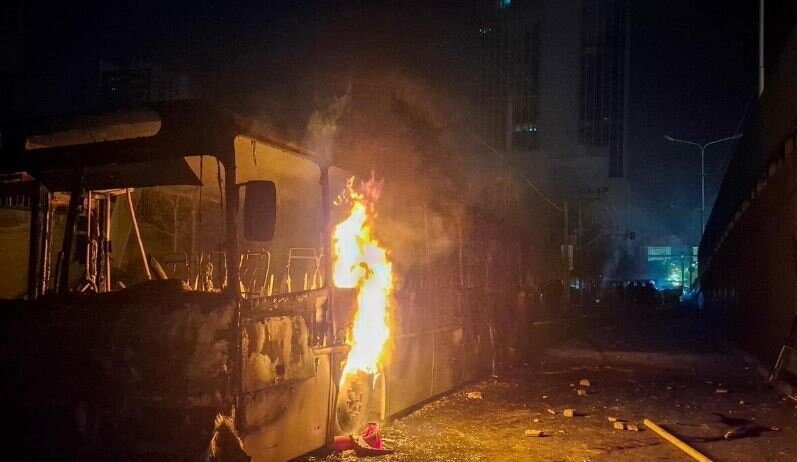
TEHRAN – One of Telegram’s most prominent anti–Islamic Republic channels has circulated a list of locations where rioters were killed during Iran’s January unrest, revealing that the vast majority of those sites were police stations and military bases that had come under attack.
The channel, which has more than 400,000 subscribers, has long been a leading voice against the Iranian government and has openly promoted the deposed shah’s son as an alternative political figure, particularly after Israel’s June 2025 attacks on Iran that killed more than 1,000 people, including civilians, nuclear scientists and senior military commanders.
The list, published this week, showed that most of those the channel described as “protesters” were killed at police stations, with the remainder at military facilities. Videos shared by the same channel show individuals attempting to seize police stations, hurling homemade Molotov cocktails into the compounds. One video shows officers trapped inside a burning station as the person filming says they “can’t come near us” because they are being burned alive.
Iran experienced peaceful protests over economic hardship caused by years of U.S. sanctions, as well as a deliberate dollar shortage later acknowledged by U.S. Treasury Secretary Scott Bessent, in December before they were overtaken on January 8 and 9 by armed individuals. The escalation followed calls by the deposed shah’s son urging his “supporters” to take to the streets and overthrow the government. Iranian shopkeepers who had initially organized the protests largely stayed off the streets during those two days, while masked individuals set fire to public and private property.
Iranian authorities say about 3,100 people were killed during the unrest, including roughly 600 armed rioters, 200 to 300 security personnel, and the remainder civilians. Officials say the civilians—including bystanders—were killed by armed groups recruited by the CIA and Israel’s Mossad, citing autopsy reports showing that many victims died from closerange gunshots or stabbing. There are also several videos that back the government’s claims.
When the unrest was still ongoing, Western media outlets circulated estimates ranging from 12,000 to 32,000 dead “protesters,” despite internet restrictions, imposed to sever links between armed groups and their handlers abroad, making independent verification almost impossible. After internet access was restored, Iranian authorities released the names and national identification numbers of all those killed and said they would revise the figures if credible evidence of additional fatalities emerged. No Western outlet has done so.
Some Persianlanguage media based in the West later acknowledged inflating casualty figures without evidence in order to “help the movement” and prompt “foreign governments to take action”—a reference to military intervention against Iran. Most of these outlets have whitewashed Israel’s massacre of Palestinians in Gaza for the past two years, while arguing that a U.S.Israeli war against Iran would target the “government” rather than ordinary Iranians. They also support anti-Iran U.S. sanctions that disproportionately harm civilians.
The Telegram channel’s latest report aligns with statements by Iranian officials, including Leader of the Islamic Revolution Ayatollah Seyyed Ali Khamenei, who have described the January unrest as a Western and Israelibacked “coup” aimed at toppling the Islamic Republic.
Analysts say the United States and Israel believed they could topple Iran’s government by having armed rioters seize police stations and government buildings—a course openly urged by President Donald Trump, who called on Iranians via social media to “take over your institutions”—thereby paving the way for a second U.S.-Israeli war aimed at crippling the country’s infrastructure, similar to the scenario that unfolded in Libya.
Leave a Comment