-
 2026-08-17 21:44
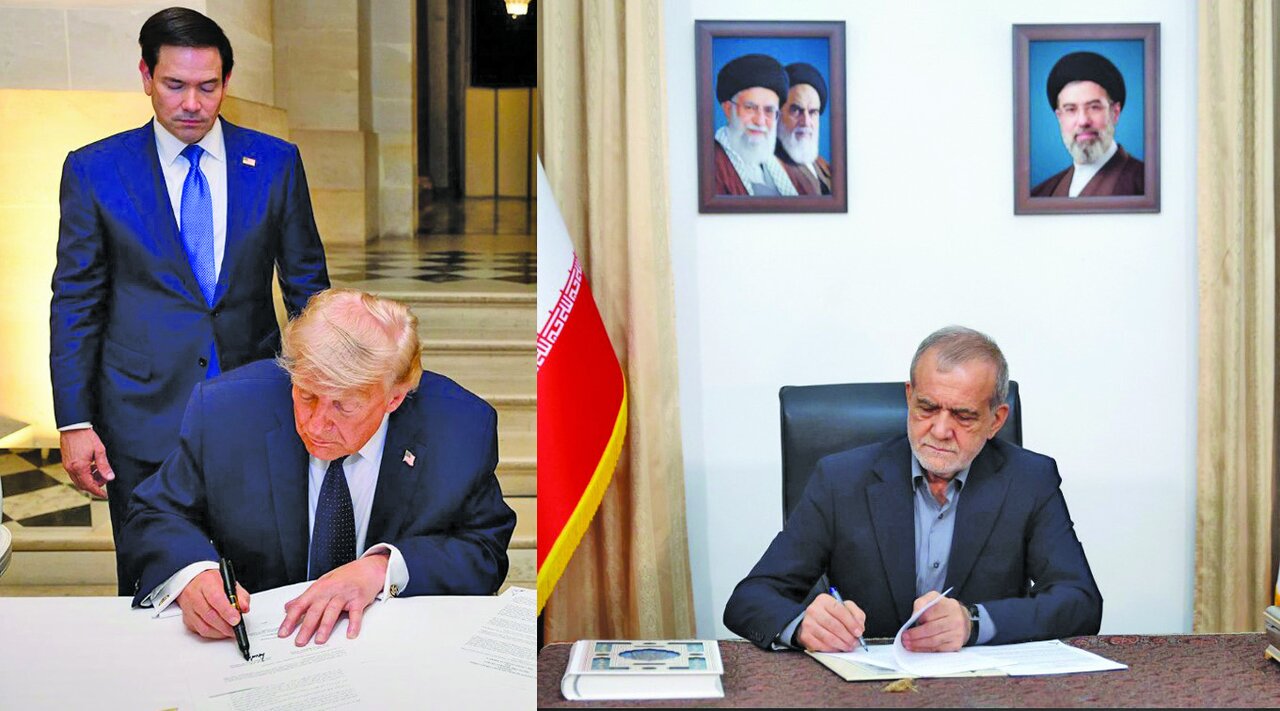
60 days after the MoU: Why has peace remained elusive, and what comes next?
TEHRAN — A memorandum of understanding (MoU) signed between Iran and the United States sixty days ago expired on Monday amid Washington’s repeated and systematic violations.
-
Iran rules out talks on extension of Islamabad MoU
TEHRAN – In a weekly press briefing on Monday, Iranian Foreign Ministry spokesman Esmaeil Baqaei addressed multiple critical issues, firmly ruling out any negotiations on extending the 60 days stipulated in the Islamabad Memorandum of Understanding (MoU) while emphasizing that the United States has violated the agreement from its inception.
-

By Ali Minabi
Yemeni-Saudi escalation: The core problem and key solution
TEHRAN – The Yemeni equation is based on escalation in response to escalation and pressure in response to pressure, to compel Saudi Arabia to fulfill the obligations of peace and end the aggression and blockade.
-
By staff writer
Israel expands assaults across Lebanon’s Jabal Amel despite US mediation claims
TEHRAN — The Israeli military unleashed a large wave of violence across southern Lebanon on Monday. According to reports from local media, drones dropped explosives on the Ali al-Taher heights. Artillery batteries pounded Mansouri, Shihin, and Wadi al-Salouqi. Two artillery shells struck the terrain between Zebqin and Yater. A reconnaissance drone dropped a sound bomb on Haddatha, followed by intense machine gun fire directed at local residents.
-
By Afshin Majlesi
Tehran municipality official highlights restoration of war-damaged heritage sites
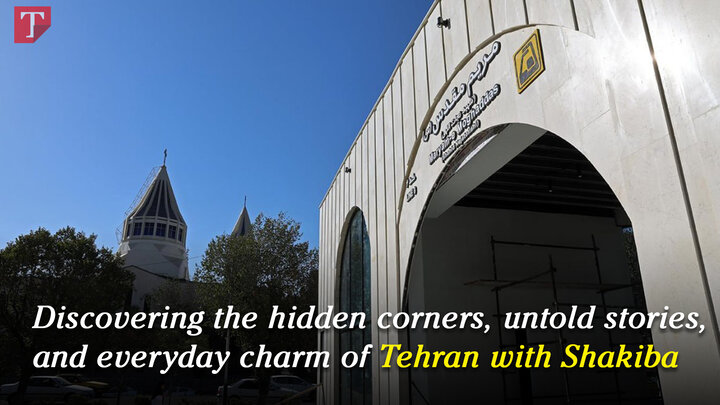
TEHRAN – Ali Shamsipour, head of the Urban Research and Planning Center of Tehran Municipality, has highlighted plans and ongoing efforts to restore heritage sites damaged during the recent war involving the United States and the Israeli regime.
-
By Mahnaz Abdi
Iran, Kazakhstan advance agricultural ties with focus on extraterritorial cultivation
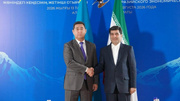
TEHRAN – Iran and Kazakhstan have taken concrete steps to deepen agricultural cooperation, with both sides emphasizing extraterritorial cultivation, joint investment, and expanded trade in agricultural products during a high-level meeting on the sidelines of the seventh meeting of the Eurasian Economic Union's Agricultural Policy Council in Almaty.
Politics
-
IRGC deputy chief: Iran has downed over 200 enemy aircraft since war began
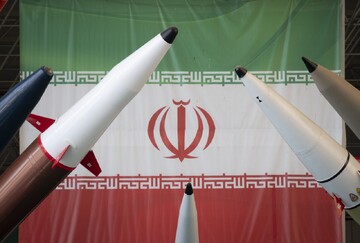
TEHRAN — Iran successfully defeated its adversaries while spending only a fraction of the resources allocated by its opponents on weapons and military operations, a senior commander of the Islamic Revolution Guards Corps (IRGC) stated.
-

Trump seeking scapegoats after failed military gamble on Iran
TEHRAN - The unfolding geopolitical fallout from the unprovoked US-Israeli military aggression orchestrated against the Islamic Republic of Iran has exposed profound, irreparable fractures within Washington’s network of international alliances, revealing a unilateral intervention bogged down in strategic failure and desperate miscalculations.
-
Iran to mark 40 days since burial of martyred Leader
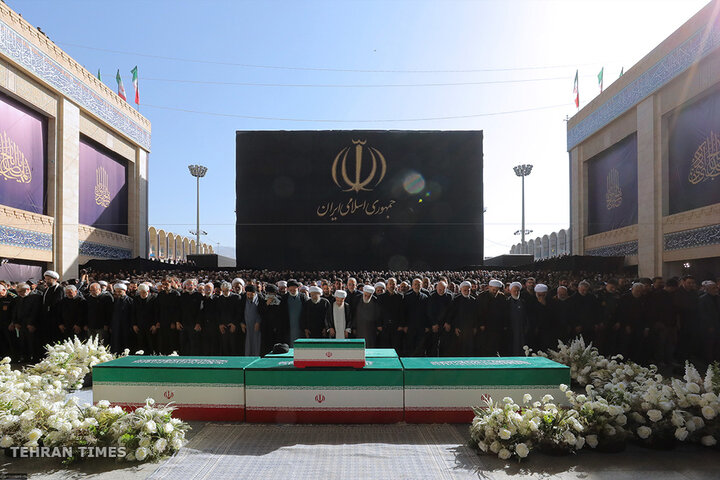
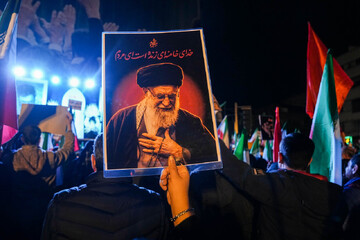
TEHRAN — The Iranian capital of Tehran, as well as the holy cities of Qom and Mashhad, are preparing to hold national mourning ceremonies to observe the 40th day following the burial of the martyred Leader of the Islamic Revolution, Ayatollah Seyyed Ali Khamenei.
Sports
-

Iranian teams to learn fate at AFC Champions League on Tuesday
TEHRAN – Tractor and Esteghlal football teams from Iran will learn their 2026/27 AFC Champions League Elite fate on Tuesday.
-

Iran U17 team beat Italy in friendly
TEHRAN - Iran’s U17 men’s national volleyball team defeated Italy 3-1 in a friendly match in Doha as they continued their preparations for the upcoming FIVB U17 World Championship.
-

Iran’s top flight begins with strong starts for the title contenders
TEHRAN - The 2026/27 season of Iran’s Persian Gulf Professional League (PGPL)has begun with an immediate reminder of the competition’s unpredictability, as the 26th edition kicked off with strong performances from several of the country’s biggest clubs.
Culture
-
Iran, Uzbekistan discuss expanding joint artistic cooperation
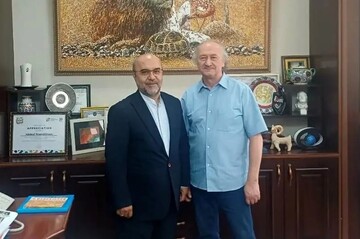
TEHRAN – In a meeting between the cultural attaché of the Islamic Republic of Iran in Uzbekistan, Hassan Safarkhani, and the president of the Academy of Arts of Uzbekistan, professor Akmal Nuriddinov, the two sides discussed expanding joint cooperation between the artistic institutions of the two countries.
-
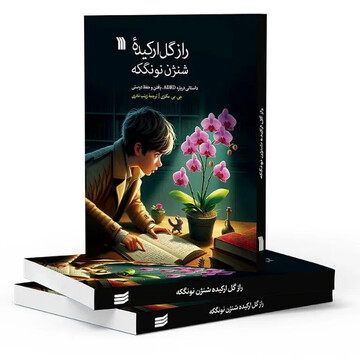
Genevieve Mackenzie’s storybook about children with ADHD available in Persian
TEHRAN – The Persian translation of the book “The Mystery Behind the Shenzhen Nongke Orchid” by Genevieve Mackenzie has been released in the Iranian book market.
-

“The Murder of Mr. Haversham” to return to stage for fourth run
TEHRAN — “The Murder of Mr. Haversham,” a mystery comedy produced by Sajjad Afsharian and directed by Faraz Gholami, will return to the Tehran stage for its fourth run at the Shahrzad Theater Hall on August 26.
Economy
-
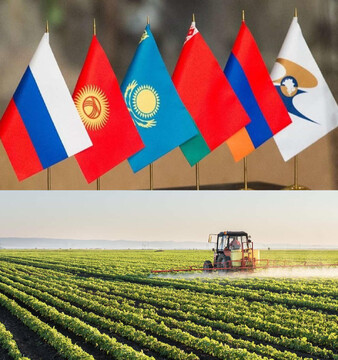
Iran urges agricultural cooperation among EAEU member states
TEHRAN- Iran’s Deputy Minister of Agriculture emphasized the development of agricultural cooperation, expansion of agricultural trade, and utilization of the capacities of the member states of the Eurasian Economic Union.
-
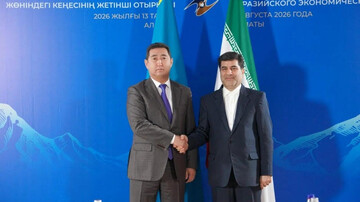
Iran, Kazakhstan advance agricultural ties with focus on extraterritorial cultivation
TEHRAN – Iran and Kazakhstan have taken concrete steps to deepen agricultural cooperation, with both sides emphasizing extraterritorial cultivation, joint investment, and expanded trade in agricultural products during a high-level meeting on the sidelines of the seventh meeting of the Eurasian Economic Union's Agricultural Policy Council in Almaty.
-
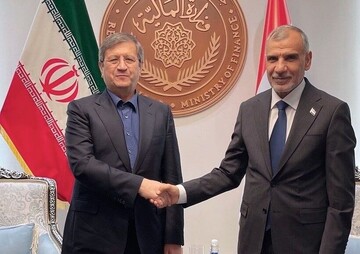
CBI governor consults in Iraq on financial claims, technical co-op, strategic economic ties
TEHRAN- On the second day of his visit to Iraq, Abdolnaser Hemmati, the Governor of the Central Bank of Iran (CBI), met and held talks with Faleh Sari, Iraq's Minister of Finance, regarding outstanding financial claims, as well as technical and economic cooperation.
Society
-
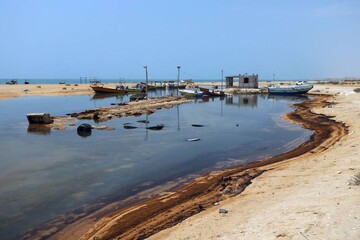
Qeshm oil contamination: a legacy of US military presence in Persian Gulf
TEHRAN – The recent oil pollution around the Persian Gulf island of Qeshm is the result of the US military presence in the region, exacting a devastating toll on public and marine lives in southern parts of the country.
-
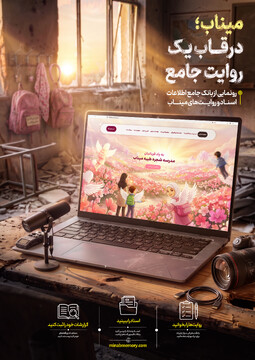
Database unveiled to document Minab war crime, commemorate victims
TEHRAN - A comprehensive database of information, documents, and narratives has been unveiled on the 168th day since the US-Israeli war crime at Minab School to systematically document the various dimensions of the tragedy and preserve the memory of its innocent victims.
-

Women’s share of blood donation targeted to rise to 30%
TEHRAN — Women account for only around five percent of total blood donation in the country, a share that does not reflect their potential and level of social participation. The government has set a target of increasing women’s share of blood donation to at least 30 percent by identifying and addressing the barriers to their participation.
Tourism
-
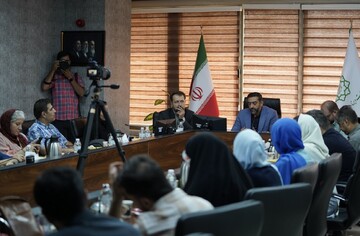
Tehran municipality official highlights restoration of war-damaged heritage sites
TEHRAN – Ali Shamsipour, head of the Urban Research and Planning Center of Tehran Municipality, has highlighted plans and ongoing efforts to restore heritage sites damaged during the recent war involving the United States and the Israeli regime.
-
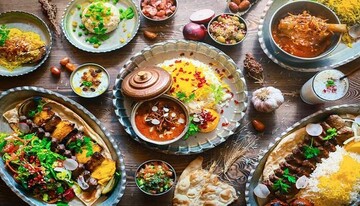
Iranian culinary team wins multiple medals at Armenian festival
TٍEHRAN - An Iranian culinary team won several gold, silver and bronze medals at the fifth edition of the Navasard festival in Armenia, highlighting the country’s culinary heritage and its potential for international food tourism, Mehr news agency reported on Sunday.
-
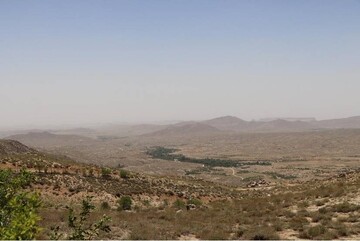
Archaeological survey in Taft identifies ruined structures, stone tools
TEHRAN - The first systematic archaeological survey of the Nir and Garizat districts in Taft county, central Iran, has been completed, identifying ancient sites, historic fortifications, water-management structures, cemeteries and stone tools, a provincial heritage official said.
International
-
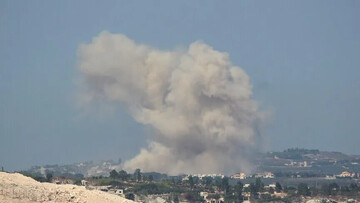
Israel expands assaults across Lebanon’s Jabal Amel despite US mediation claims
TEHRAN — The Israeli military unleashed a large wave of violence across southern Lebanon on Monday. According to reports from local media, drones dropped explosives on the Ali al-Taher heights. Artillery batteries pounded Mansouri, Shihin, and Wadi al-Salouqi. Two artillery shells struck the terrain between Zebqin and Yater. A reconnaissance drone dropped a sound bomb on Haddatha, followed by intense machine gun fire directed at local residents.
-
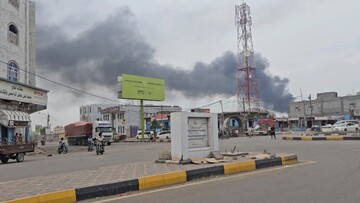
Yemen strikes Saudi-linked mercenary concentrations in Mokha
TEHRAN — The Yemeni Armed Forces have shattered the illusion of a frozen conflict by unleashing a devastating wave of ballistic missiles and drones against Saudi-affiliated military concentrations across Mokha and Marib.
-
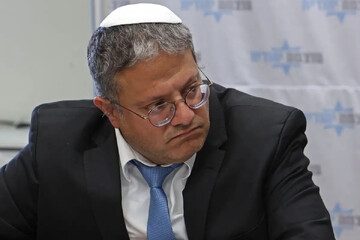
Iran demands global tribunals after Ben-Gvir urges daily slaughter quota in Gaza
TEHRAN — The horrifying proposal to institutionalize the slaughter of Palestinians has ripped away any remaining diplomatic veneer shielding Israel.
Most Viewed
-
15398
-
Case of 3 Iranian pilots is a serious test to determine Qatar’s role in the war
-
Iran-US agreement pursued with dignity, and strength: President
-
Database unveiled to document Minab war crime, commemorate victims
-
How China's marine farming model can reshape Iran's coasts
-
Iran Offers $30,000 Reward for Capturing or Killing US Military Personnel
-
Iran has 58 sites on UNESCO tentative list, heritage official says
-
Iran’s armed forces vow no retreat until ‘complete defeat’ of US and Israel
-
Yemen strikes Saudi-linked mercenary concentrations in Mokha
-
Iran achieved victories both on battlefield and in political negotiations in the war
-
Better use of books is essential to cultural diplomacy, tourism minister says
-
Iran to mark 40 days since burial of martyred Leader
-
Qeshm oil contamination: a legacy of US military presence in Persian Gulf
-
Historic Zionist perceptions of Lebanon
-
Echoes of the past: Golden-lustre ceramic bowl