-
 2026-10-21 20:40
By Staff Writer
Defense Without Limits
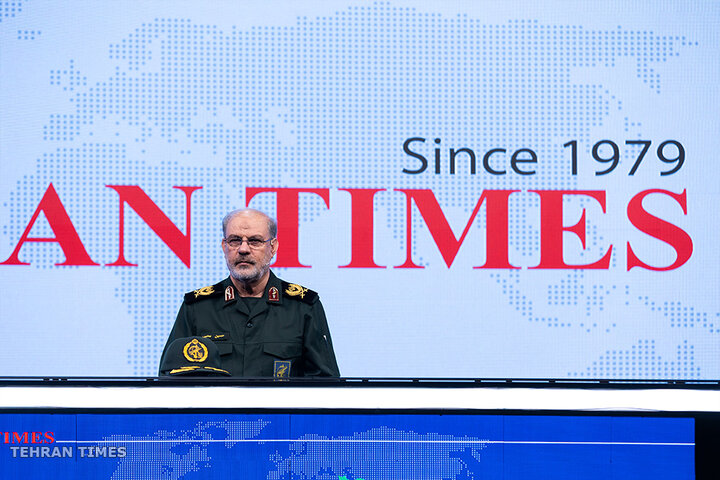
Iranian officials say Tehran will place no limits on hitting aggressors and their regional backers in case of a renewed US-Israeli attack
TEHRAN – The tone of the enemy toward Iran has sharply escalated again, with senior American and Israeli officials openly speaking of finishing the job and some analysts warning a new round of war is near, while Iranian political and military officials say the country is fully ready for a severe and unrestricted response.
-
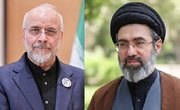
Parliament Speaker Qalibaf meets Leader of the Islamic Revolution
TEHRAN – Mohammad Baqer Qalibaf, speaker of Iran’s Parliament, has met with Ayatollah Seyyed Mojtaba Hosseini Khamenei, Leader of the Islamic Revolution, to discuss the latest developments in the military, economic and cognitive warfare waged by the US-Israeli adversary against Iran.
-
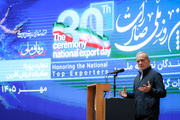
Pezeshkian: Iran will not bow to US pressure, but does not seek war
TEHRAN — Iranian President Masoud Pezeshkian has stressed that Iran does not seek war but will firmly resist US pressure and will never submit to threats, coercion, or bullying by Washington.
-

By Michael Bradburn-Ruster
‘No Kings’ protests reflect a crisis of imperial plutocracy in the US
ARIZONA- The most obvious focus of the current “No Kings” protests lies in US citizens’ immediate “bread and butter issues”: brutal cuts to education, social security, and health care ($1 trillion in cuts to Medicaid and Childre’s Health Insurance); massive inflation that makes it hard to feed families, pay outrageous costs for health insurance, and endure the exorbitant price of fuel precipitated by the perfidious war on Iran, launched for a second time since June, 2025, in the midst of negotiations.
-
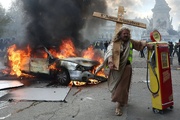
Why is Europe on fire this October?
The people of Europe are paying for a war they never chose
TEHRAN — It started with teenagers blockading their schools. Three weeks later (October 17), about 550,000 people marched through French towns and cities, according to Interior Minister Laurent Nuñez. Unions say 800,000.
-
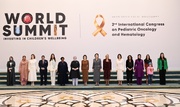
By Afshin Majlesi
Samarkand summit calls for greater investment in children’s well-being
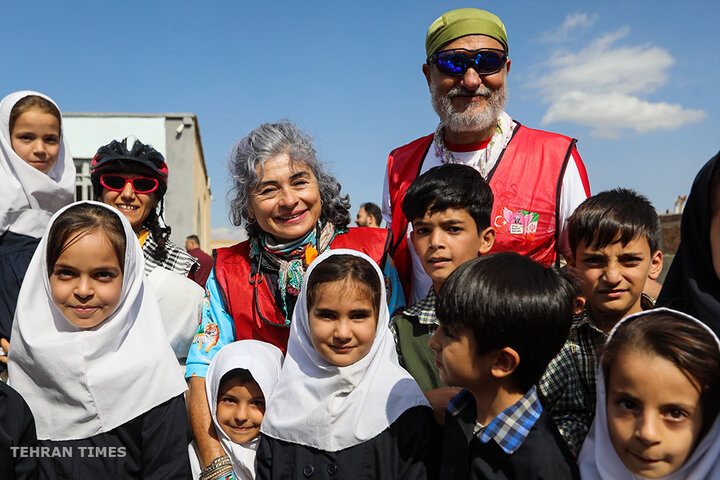
SAMARKAND, Uzbekistan - Hundreds of policymakers, international officials and child welfare advocates gathered in the historic Uzbek city of Samarkand on Wednesday for a global summit aimed at making children’s health, education and protection a greater priority for governments.
Politics
-
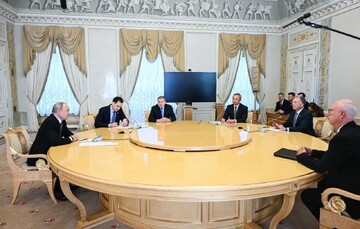
Russia is ready to help resolve Iran-US dispute, Putin says
TEHRAN— Russian President Vladimir Putin has said Moscow is ready to help resolve the dispute between Iran and the United States, citing Russia’s longstanding relationship with Tehran and expressing interest in Washington’s assessment of the situation in West Asia.
-
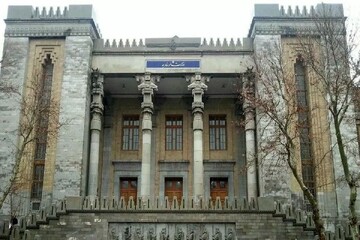
Iran condemns US measures against Cuba as ‘criminal and illegal’
TEHRAN — Iran’s Foreign Ministry has condemned US sanctions and pressure against Cuba, describing Washington’s measures against the Caribbean nation as violations of international law and the principles enshrined in the United Nations Charter.
-
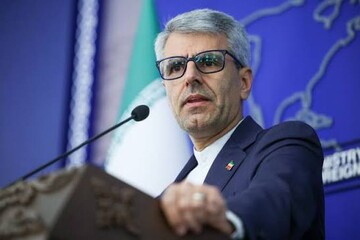
Baqaei: US seeks to blame Iran for insecurity caused by its own aggression
TEHRAN – Iranian Foreign Ministry spokesman Esmaeil Baqaei has condemned Washington’s call for the international community to denounce Iran over insecurity in the Persian Gulf and the Strait of Hormuz, saying the United States cannot evade responsibility for its own actions by portraying the victim as the aggressor.
Sports
-
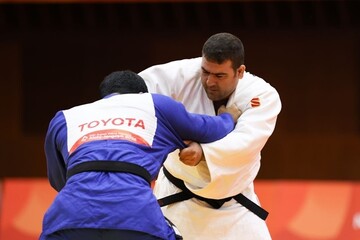
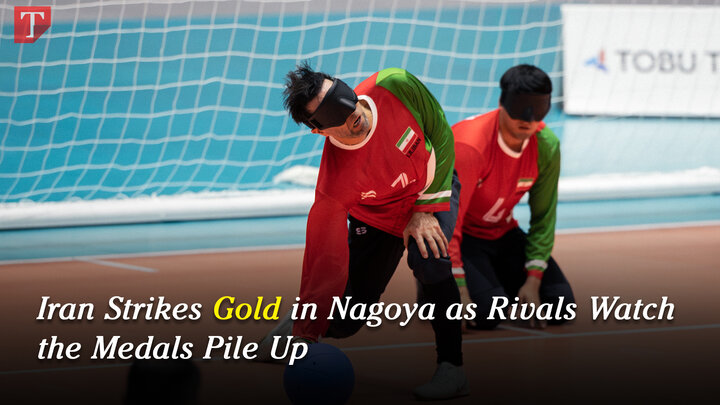
Nagoya 2026: Navaei takes gold in Judo
TEHRAN - Ali Navaei won the first gold medal in judo at the Nagoya Asian Para Games by defeating Uzbekistan’s Islomjon Tukhtaboev.
-
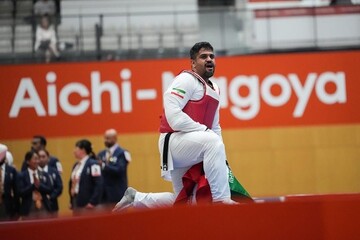
Haghshenas grabs Iran’s second gold in para taekwondo: 2026 Nagoya
TEHRAN - Hamed Haghshenas won the gold medal in the 2026 Asian Para Games by defeating Uzbekistan’s Umarjon Muydinov on Wednesday.
-

Iran’s para taekwondo athlete Bakht wins gold
TEHRAN - Alireza Bakht won the gold medal in para taekwondo of the 2026 Asian Para Games on Wednesday.
Culture
-
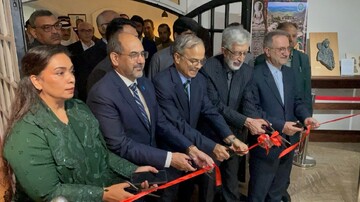
Pakistan’s cultural heritage takes center stage at Tehran exhibition
TEHRAN-An exhibition exploring Pakistan’s historical and cultural development, from ancient civilizations to its enduring literary traditions, was inaugurated in Tehran on Tuesday, bringing together diplomats, cultural officials and researchers to highlight the longstanding ties between Iran and Pakistan.
-
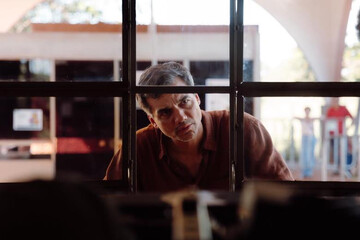
Brazilian adaptation of ‘Taste of Cherry’ to be released in 2027
TEHRAN – An adaptation of Abbas Kiarostami’s 1997 Palme d’Or winner “Taste of Cherry” is going through post-production in Brazil.
-
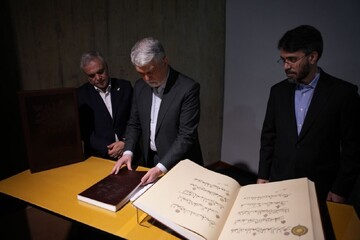
Exquisite handwritten Quran unveiled at the TMOCA
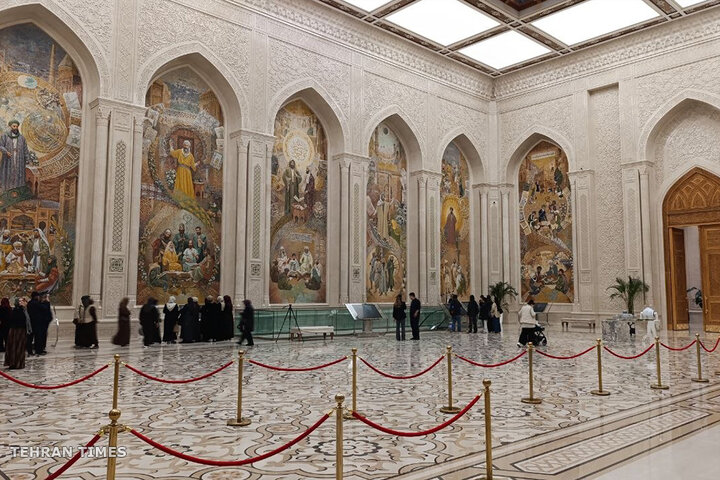
TEHRAN – The unveiling ceremony for the handwritten Holy Quran by world-celebrated Iranian calligrapher Mohammad Ehsai was held on Wednesday, in the presence of Seyyed Abbas Salehi, Minister of Culture and Islamic Guidance, and Master Ehsai at the Tehran Museum of Contemporary Art (TMOCA).
Economy
-
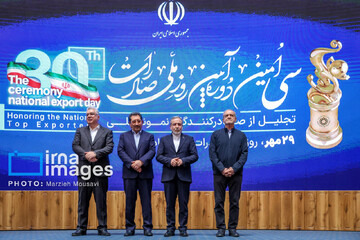
National Export Day ceremony held with President Pezeshkian in attendance
TEHRAN- The National Export Day ceremony was held on Wednesday morning, October 21, at the Summit Hall, with the attendance of President Masoud Pezeshkian; Foreign Affairs Minister Abbas Araghchi; Minister of Industry, Mining and Trade Seyed Mohammad Atabak; Head of the Trade Promotion Organization Mohammad Ali Dehghan Dehnavi; Head of the Iran Chamber of Commerce, Industries, Mines, and Agriculture Samad Hassanzadeh; those active in the field of foreign trade, and related experts, to honor national exemplary exporters.
-
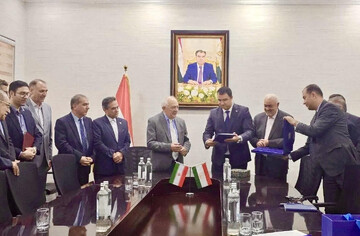
Co-op MOU signed between Chambers of Commerce of Mashhad, Dushanbe
TEHRAN- During the trip of the Governor of Khorasan Razavi Province and his accompanying delegation to Tajikistan, a cooperation memorandum was signed between the Chambers of Commerce of Mashhad and Dushanbe with the aim of developing trade interactions and facilitating the activities of traders and businessmen of the two countries.
-
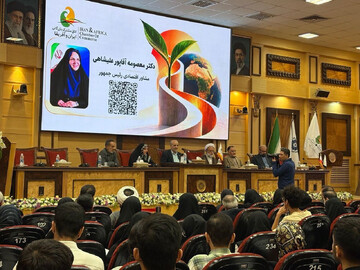
‘Developing trade relations with Africa requires results-oriented economic diplomacy’
TEHRAN- The Advisor to the President for Economic Cooperation, referring to the importance of coordination among government institutions, the private sector, and academic centers, said: “Developing trade relations with Africa requires moving from preliminary and ceremonial talks toward results-oriented economic diplomacy.”
Society
-

Iran joins countries with advanced quantum training laboratories
TEHRAN – Iran has joined countries with advanced laboratories for hands-on training in quantum technologies with the inauguration of three specialized facilities in quantum optics and quantum information, established with support from the Vice Presidency for Science, Technology, and Knowledge-Based Economy.
-
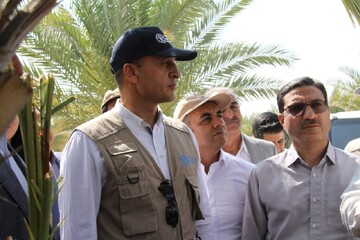
FAO to strengthen pest management, protect production in Kerman date palm groves
TEHRAN – A delegation from the Food and Agriculture Organization of the United Nations (FAO) has visited date palm groves in Kerman Province to strengthen the management of pests and diseases through technical cooperation, field-based interventions and engagement with national and provincial stakeholders.
-
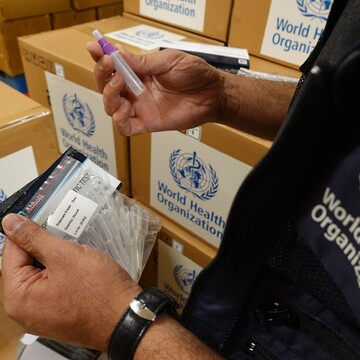
WHO delivers 10,000 cholera rapid diagnostic tests to Iran with CERF support
TEHRAN – The World Health Organization (WHO), with support from the Central Emergency Response Fund (CERF), has delivered 10,000 cholera rapid diagnostic tests (RDTs) to Iran’s Ministry of Health and Medical Education to strengthen early detection and help prevent potential outbreaks.
Tourism
-
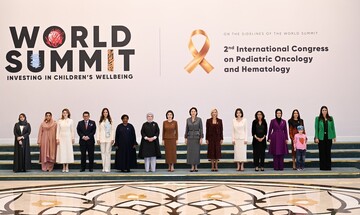
Samarkand summit calls for greater investment in children’s well-being
SAMARKAND, Uzbekistan - Hundreds of policymakers, international officials and child welfare advocates gathered in the historic Uzbek city of Samarkand on Wednesday for a global summit aimed at making children’s health, education and protection a greater priority for governments.
-
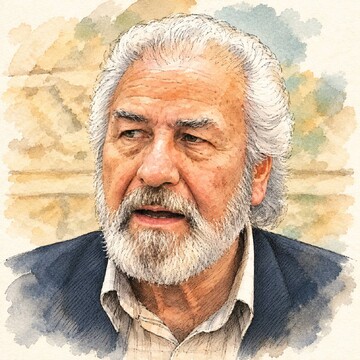
National Museum of Iran pays tribute to renowned archaeologist Yousef Majidzadeh
TEHRAN - The National Museum of Iran has expressed its profound sorrow at the passing of Yousef Majidzadeh, one of Iran’s most distinguished archaeologists, whose research made significant contributions to the study of the country’s prehistoric cultures and early civilizations. Majidzadeh died in France on October 19, 2026, at the age of 90.
-
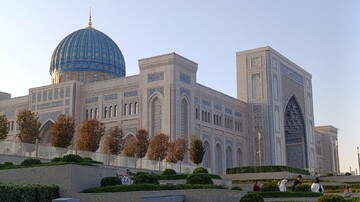
Iran and Uzbekistan: Where shared history comes alive in Tashkent
TASHKENT, Uzbekistan - As an Iranian journalist visiting Tashkent, I found myself looking at the huge Islamic Civilization Center from two perspectives. I was a visitor discovering the depth of Uzbekistan’s cultural heritage. I was also an Iranian looking for familiar traces of a civilization that has never respected the borders drawn on today’s maps.
International
-
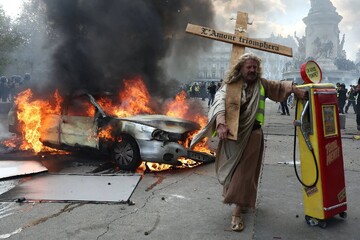
Why is Europe on fire this October?
TEHRAN — It started with teenagers blockading their schools. Three weeks later (October 17), about 550,000 people marched through French towns and cities, according to Interior Minister Laurent Nuñez. Unions say 800,000.
-
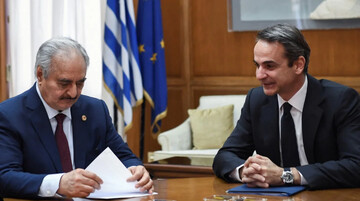
Greece’s alliances with UAE and Israel fail eastern Libya–Turkey test
In the days before Libya’s eastern parliament approved a contentious maritime agreement with Turkey, Greece was trying to assemble its allies - Egypt, Israel and the UAE - to prevent the deal, multiple officials in the region told Middle East Eye.
-
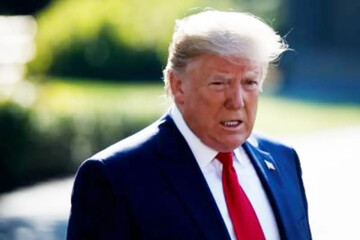
The emperor has no clothes: Trump’s parade of power and the naked American empire
TEHRAN - In 1837, Danish author Hans Christian Andersen published The Emperor’s New Clothes, the story of a vain ruler deceived into believing he was wearing magnificent garments invisible to fools and those unfit for office. His ministers praised what did not exist, and the public followed, until a child finally cried out: “But he hasn't got anything on!”


Most Viewed
-
Brother Munir! The Ball Is in the US Court
-
15452
-
AI is shortening the “kill chain” in Iran war, says Canadian legal scholar
-
Trump approval crashes to record low 31% as Iran war backlash mounts
-
Iran and Uzbekistan: Where shared history comes alive in Tashkent
-
Iran, Qatar discuss energy cooperation issues
-
Iran says will respond proportionately to any aggression
-
Iran urges Int'l legal bodies to act over attack on Dena destroyer
-
Iran, Kazakhstan pursue North–South corridor, Chabahar rail links
-
NAZA: When technology makes killing a calculation
-
Gaza’s battle for hearts and minds
-
Mother of all bombs or father of all missiles?
-
Defense Without Limits
-
VP urges SCO to strengthen economic integration, independent financial mechanisms
-
Iran–Russia: Deals for Fairer World