-
 2026-09-04 19:37
By Shahrokh Saei
Iran-Russia alliance grows despite US pressure
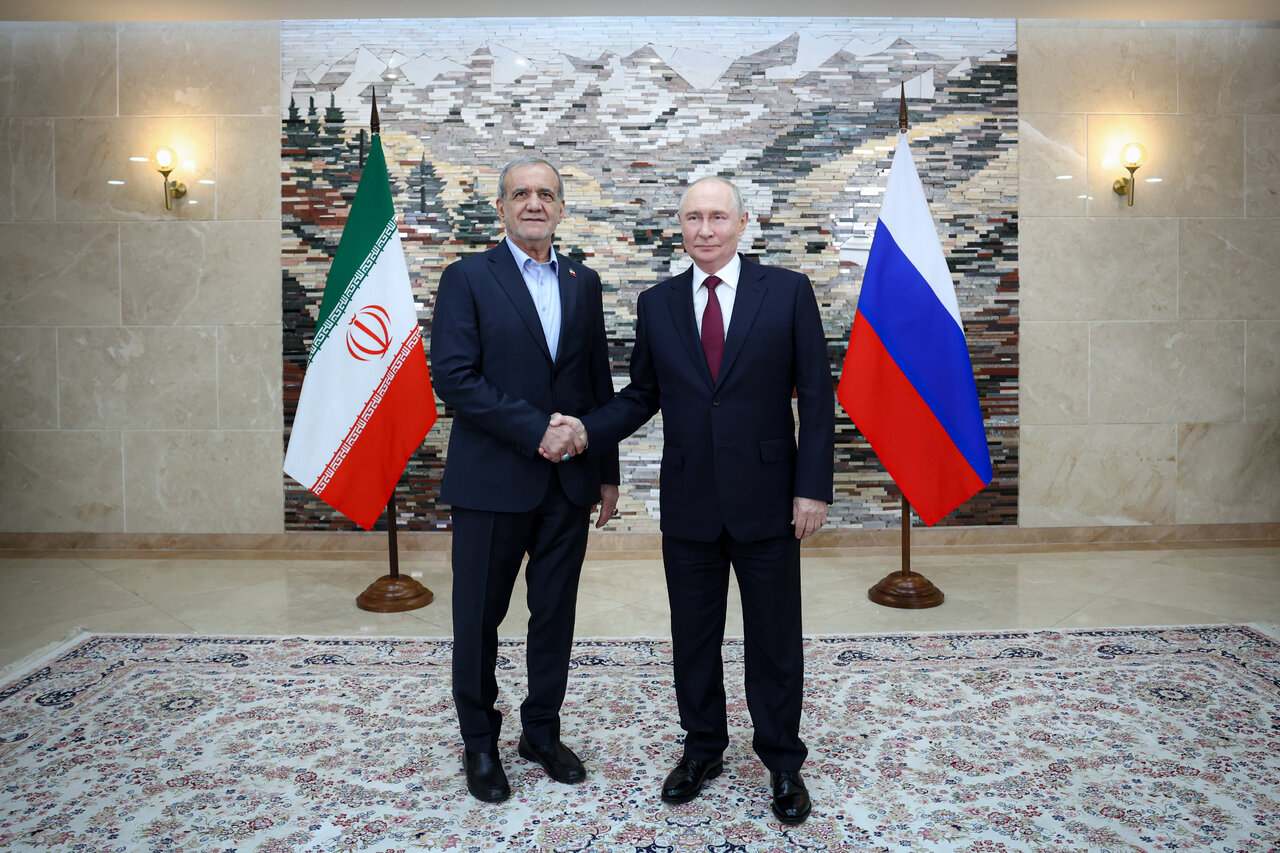
TEHRAN — Russia’s robust and uncompromising support for Iran in the face of US military adventurism and all-out economic warfare has made it abundantly clear that the strategic partnership between Tehran and Moscow will never be swayed, deterred, or disrupted by outside pressure.
-
Advanced enemy technology failed to shield aircraft from indigenous air defenses
TEHRAN — Iran’s air defense commander says the country’s recent experience of war has demonstrated that technological superiority alone cannot guarantee the safety of an attacking force, stating that Iranian forces developed and upgraded new domestically produced air defense systems even as the fighting was underway.
-
Kuhestak mourns victims of deadly strike on wedding
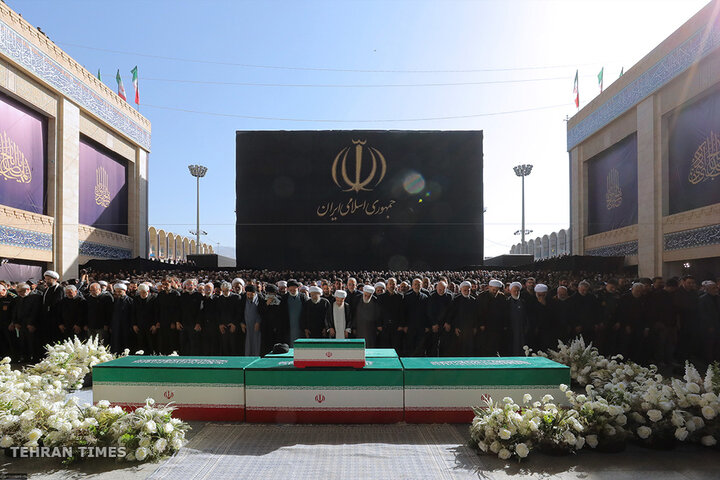
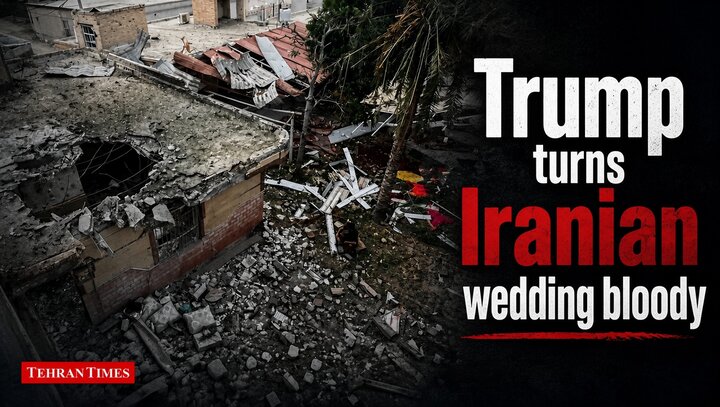
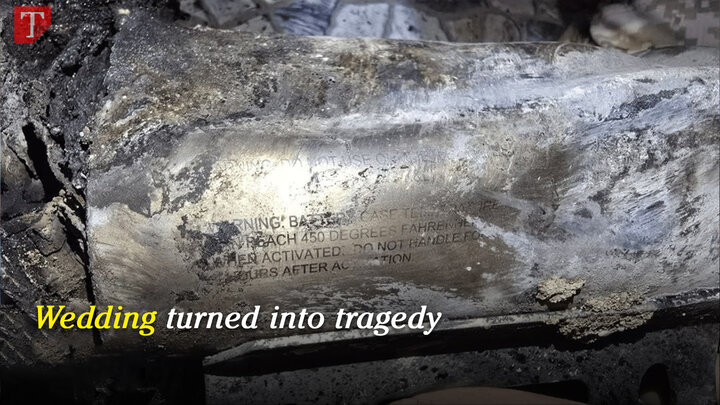
TEHRAN- The wedding was supposed to be a night of music, laughter and celebration. Instead, the people of this small coastal town gathered on Thursday to carry coffins through the streets, mourning those killed when a house hosting a wedding celebration was struck during the latest escalation of the US-Iran conflict.
-
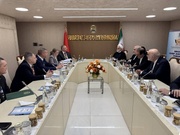
Iran uses BRICS judicial diplomacy to deepen ties with China, Russia and Belarus
TEHRAN— Iran is seeking to turn judicial cooperation into a broader instrument of strategic diplomacy, with Judiciary Chief Gholam-Hossein Mohseni-Ejei holding talks with senior judicial officials from China, Russia and Belarus on the sidelines of the BRICS Chief Justices’ Forum in New Delhi.
-
By Ali Minabi
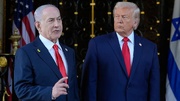
What has Trump gained following Netanyahu’s lead?
TEHRAN – U.S. bias toward Israel constitutes one of the constants of American foreign policy, but Trump has pushed this bias to unprecedented lengths.
-
By staff writer
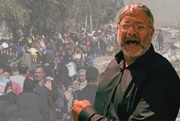
Ben Gvir unveils seven-year blueprint to ethnically cleanse Gaza
TEHRAN — Itamar Ben Gvir has formalized the ultimate objective of the Gaza genocide. Israel’s extremist national security minister published a rigid seven-year timetable to empty the besieged territory of 1.86 million indigenous Palestinians.
Politics
-
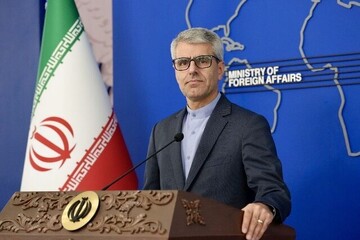
Qatari ITU submission confirms Iran’s retaliatory operations hit only US military assets
TEHRAN — Official documentation submitted by Doha to the International Telecommunication Union (ITU) validates that Iran’s recent defensive measures aimed exclusively at American military infrastructure on Qatari soil, according to Iranian Foreign Ministry Spokesman Esmaeil Baghaei.
-
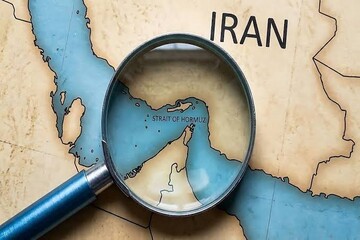
Flow vs. territory: The real battle for the Strait of Hormuz
MADRID — The Trump administration and its media echo chamber are trying to convince the world that Iran has lost control over the Strait of Hormuz. At the same time, they claim large volumes of oil are crossing the strait.
-
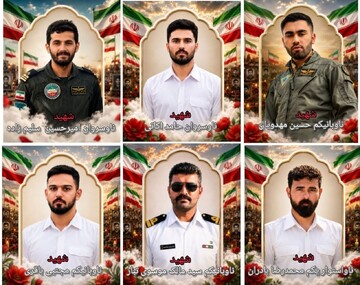
Six Iranian Navy personnel martyred in US strikes in southern Iran
TEHRAN —Six personnel from the Iranian Navy were killed in US strikes on targets in southern Iran two nights ago, according to Iran’s Tasnim news agency.
Sports
-

Basketball players Jafari and Aliakbari doubt for 2026 Asian Games
TEHRAN - Iranian basketball internationals Mehdi Jafari and Hassan Aliakbari have suffered injuries during the national team’s preparations for the 2026 Asian Games in Aichi-Nagoya, Japan.
-
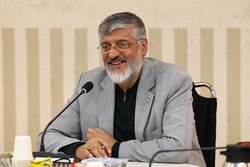
Pouladgar urges focus and unity as Iran prepares for Asian Para Games
TEHRAN - Mohammad Pouladgar, Chef de Mission of Iran's delegation for the 2026 Asian Para Games in Nagoya, outlined the latest preparations and planning measures aimed at ensuring Iran’s delegation can compete under the best possible conditions.
-

Iran wins three medals at World Para Taekwondo Grand Prix
TEHRAN – Iranian athletes won one gold and two bronze medals at the World Para Taekwondo Grand Prix Series.
Culture
-

Culture minister visits Minab School exhibition
TEHRAN – The Minister of Culture and Islamic Guidance, Seyyed Abbas Salehi, visited the “Minab School” group exhibition at the Art Bureau in Tehran on Thursday.
-
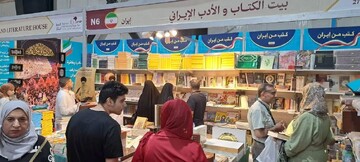
Iran participating in 27th Baghdad International Book Fair
TEHRAN – The Iran Book and Literature House is participating in the 27th Baghdad International Book Fair as the representative of Iran, showcasing a diverse range of Iranian works and hosting specialized cultural sessions.
-
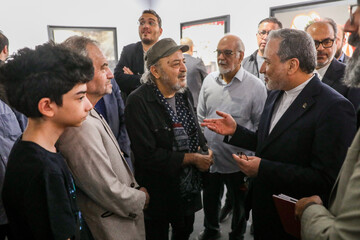
Sirous Moqaddam turns Minab tragedy into “Empty Grave”
TEHRAN- Iranian filmmaker and painter Sirous Moqaddam says his deep personal attachment to southern Iran and his encounter with the families of the Minab school victims inspired him to create “Empty Grave,” a painting dedicated to the children killed in the tragic attack on a school in the southern city of Minab.
Economy
-

From naval blockade to land corridors: Iran's strategic pivot
TEHRAN- Iran's maritime trade has faced serious disruption due to geopolitical tensions and sanctions, but this challenge has unexpectedly accelerated the development of land-based transit routes. What initially appeared as a strategic vulnerability—over-reliance on the Strait of Hormuz—is now forcing a fundamental shift in the country's trade infrastructure. The result could transform Iran from a sea-dependent economy into a regional transit hub connecting East, West, North, and South.
-
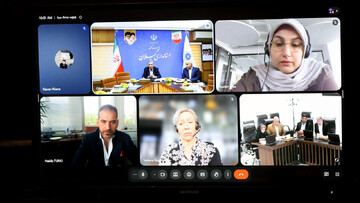
ICCIMA, IRU examine routes for facilitating money transfer
TEHRAN- The President of the Iran Chamber of Commerce, Industries, Mines, and Agriculture (ICCIMA) during a webinar meeting with the new Secretary-General of the International Road Transport Union (IRU), examined routes for facilitating money transfers between the Iran Chamber and the IRU.
-
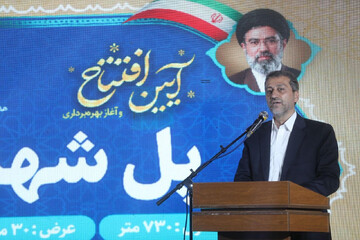
‘Arvand Martyrs Bridge is just beginning of a larger development path’
TEHRAN- The Secretary of the Supreme Council of Free Trade and Special Economic Zones, emphasizing the need to continue the development process in the Arvand Free Zone, stated that the inauguration of the Arvand Martyrs Bridge is not the end of a construction project, but rather the beginning of a larger path for implementing infrastructural, economic, and developmental projects in Abadan, Khorramshahr, and the Arvand Free Zone.
Society
-
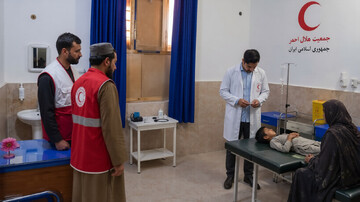
IRCS keeps supporting Afghan children facing malnutrition
TEHRAN – A medical center affiliated with the Iranian Red Crescent Society (IRCS) operates in Zaranj, Afghanistan, providing ongoing medical care for children suffering from malnutrition.
-
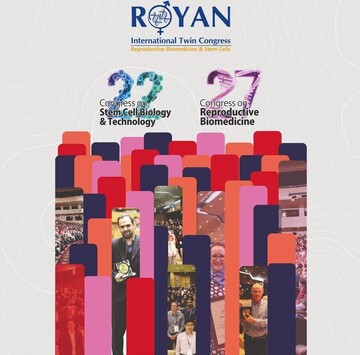
Tehran plays host to Royan Intl. Twin Congress
TEHRAN – The Royan International Twin Congress, including the 27th Congress on Reproductive Biomedicine, the 22nd Congress on Stem Cell Biology and Technology, and the 21st seminar on Nursery and Midwifery, was held from Wednesday to Friday.
-

Ten countries attending INOTEX 2026
TEHRAN – The 15th International Innovation and Technology Exhibition (INOTEX 2026) is being held in Tehran, with representatives and delegations from Russia, Tajikistan, Pakistan, Indonesia, Zimbabwe, Thailand, Bangladesh, Oman, Iraq, and Turkey in attendance.
Tourism
-
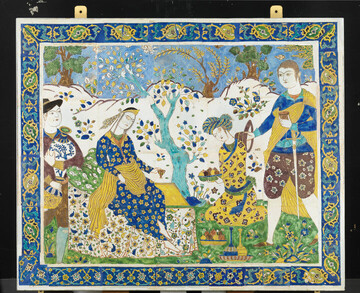
Safavid tilework: From architectural ornament to pictorial art
TEHRAN - Tilework during Iran’s Safavid era was not confined to geometric patterns, arabesques and inscriptions used to decorate religious buildings.
-
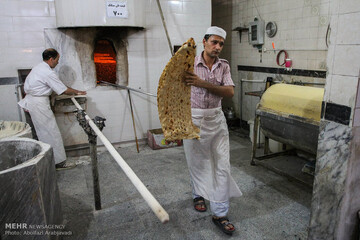
Sangak bread added to Iran’s national intangible cultural heritage list
TEHRAN — The way of preparing, Sangak, a traditional Iranian flatbread baked on heated pebbles, has been inscribed on Iran’s national list of intangible cultural heritage following a review by the country’s National Council for Intangible Heritage Registration, an official said.
-

Ecotourism plans underway in protected areas and wetlands
TEHRAN – Iran’s Department of Environment is working on a series of ecotourism programs in protected areas and wetlands across the country, seeking to expand nature-based tourism without compromising biodiversity and environmental protection, an official said.
International
-
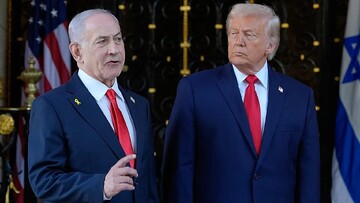
What has Trump gained following Netanyahu’s lead?
TEHRAN – U.S. bias toward Israel constitutes one of the constants of American foreign policy, but Trump has pushed this bias to unprecedented lengths.
-
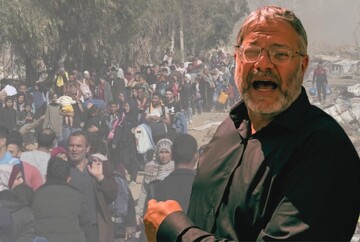
Ben Gvir unveils seven-year blueprint to ethnically cleanse Gaza
TEHRAN — Itamar Ben Gvir has formalized the ultimate objective of the Gaza genocide. Israel’s extremist national security minister published a rigid seven-year timetable to empty the besieged territory of 1.86 million indigenous Palestinians.
-
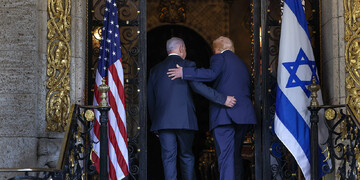
Rights organizations demand Congress scrap US-Israel military integration bill
TEHRAN — 56 American civil rights and advocacy organizations have issued a blunt demand to Congress: strip a controversial provision from the 2027 National Defense Authorization Act or risk permanently entrenching Israel inside the Pentagon’s core technology apparatus.

Most Viewed
-
Iran-Russia alliance grows despite US pressure
-
15412
-
Trump turns Iranian wedding bloody
-
Advanced enemy technology failed to shield aircraft from indigenous air defenses
-
From naval blockade to land corridors: Iran's strategic pivot
-
What has Trump gained following Netanyahu’s lead?
-
Pouladgar urges focus and unity as Iran prepares for Asian Para Games
-
Iran uses BRICS judicial diplomacy to deepen ties with China, Russia and Belarus
-
Ben Gvir unveils seven-year blueprint to ethnically cleanse Gaza
-
Qatari ITU submission confirms Iran’s retaliatory operations hit only US military assets
-
Why did Beijing reject the G20 statement?
-
Flow vs. territory: The real battle for the Strait of Hormuz
-
Six Iranian Navy personnel martyred in US strikes in southern Iran
-
Over 80 earthquakes hit Iran in a week
-
Basketball players Jafari and Aliakbari doubt for 2026 Asian Games