-
 2026-10-12 20:34
By staff writer
Yemen Leaves Riyadh Grounded
Repeated strikes close Riyadh airport and shatter Saudi air defenses as Ansarallah enforces its 'blockade for blockade' doctrine
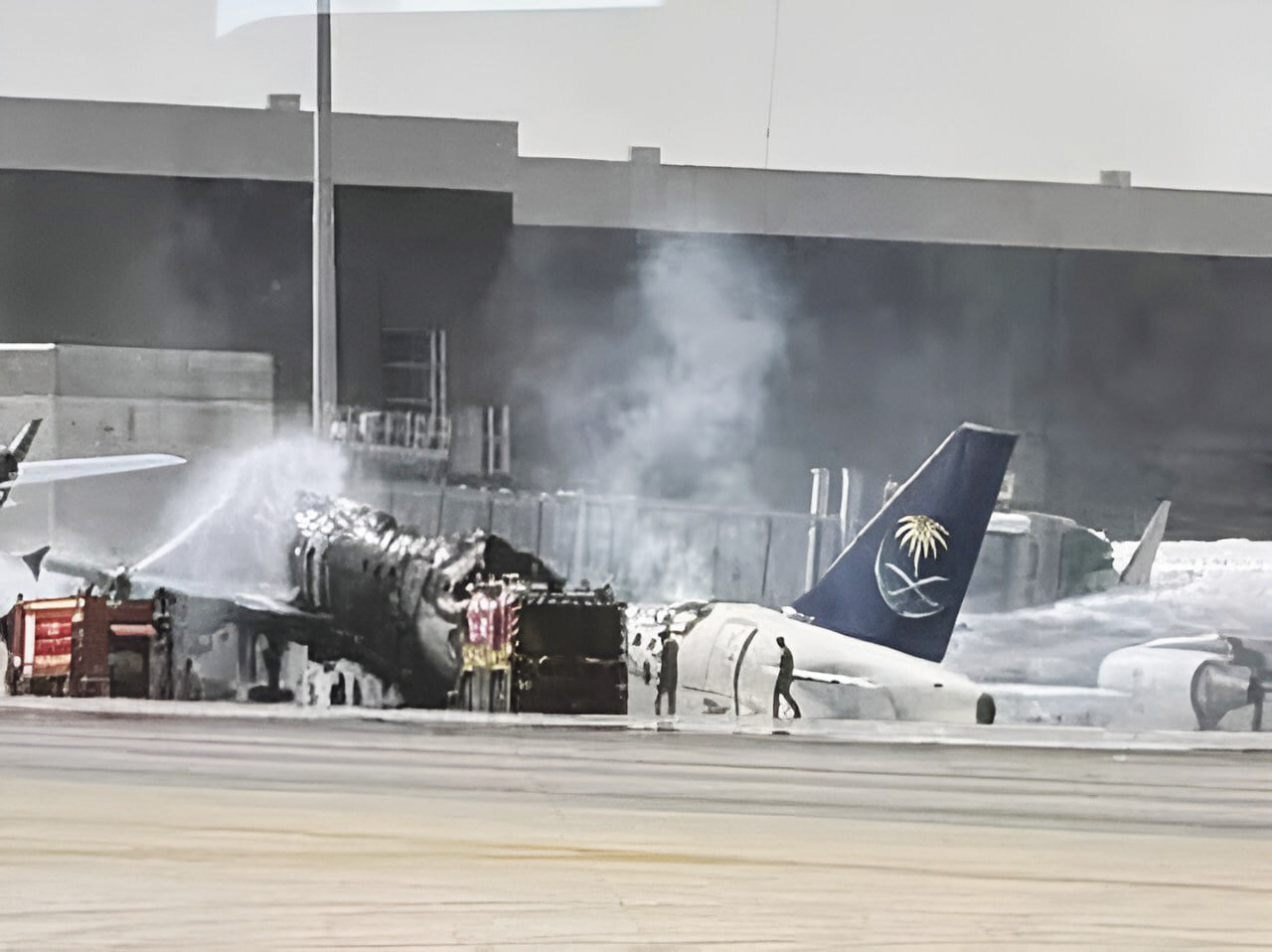
TEHRAN — Riyadh’s airport has been hit five times since Tuesday, October 6, by Saudi authorities’ own count, and the government cannot promise a sixth will not come. On Saturday, a missile struck King Khalid International Airport, killing at least 13 people and wounding more than 300, according to the kingdom. On Sunday, another projectile set Terminal 4 on fire. On Monday, the Saudi civil aviation authority extended the shutdown.
-

US claims do not match what we see on the ground: Baqaei
TEHRAN— Iran has dismissed US assertions that maritime traffic through the Strait of Hormuz has returned to normal, saying Washington’s continued naval blockade and economic sanctions are incompatible with restoring security to the strategic waterway.
-
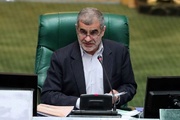
Parliament vice-speaker warns regional states: Siding with US will not bring security
TEHRAN – Deputy Speaker of the Iranian Parliament Ali Nikzad warned neighboring countries on Monday that placing their territory and facilities at the disposal of the United States will not create security for them.
-
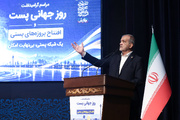
Pezeshkian condemns US complicity in Israeli genocide in Gaza, slams Western double standards
TEHRAN — Iranian President Masoud Pezeshkian has condemned Israel’s ongoing genocide in Gaza, accusing the United States of complicity and denouncing the silence of Western governments that profess to champion human rights while continuing to support Israel with weapons and other resources.
-
German silence on Gaza and the West Bank ‘has been loud’: Philippe Sands
Winner of German Book Trade's Peace Prize insists on ‘excavating matters that some wish to hide’
TEHRAN — Philippe Sands, a professor of law at University College London and human rights lawyer at the International Court of Justice in The Hague, has criticized Germany’s “silence on crimes committed on the territory of Palestine, in Gaza and in the West Bank.”
-
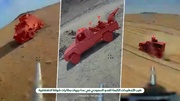
The weapon shifting Yemen’s frontlines
By Ali Minabi
TEHRAN – While Yemeni missile attacks on Riyadh airport capture global headlines, another tactical weapon has shifted the frontlines near Bab al-Mandab.
Politics
-
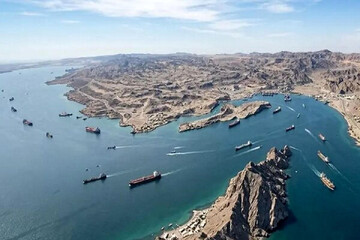
Iran pledges stronger deterrence, asserts sovereignty over Strait of Hormuz
TEHRAN— Iranian military officials have reaffirmed the country’s determination to strengthen its defense capabilities, protect its maritime interests and oppose efforts to restore a US-dominated security order in West Asia, arguing that regional stability must be based on national sovereignty and cooperation among neighboring countries.
-
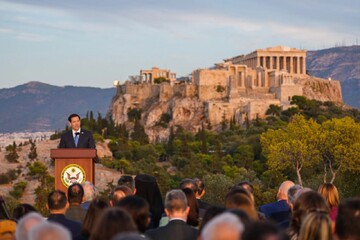
The Persians return to Athens
MADRID - Standing before the Acropolis of Athens, US Secretary of State Marco Rubio traced the history of ancient Greece all the way to the rise of American industry in a speech delivered on Wednesday, in which he presented Western civilization as threatened by decline.
-
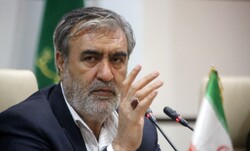
Senior MP: Countries backing militant groups should await Iran's response
TEHRAN – Chairman of the Iranian Parliament's National Security and Foreign Policy Commission Ebrahim Azizi has warned regional countries providing resources to counter-revolutionary groups that Tehran possesses documented evidence of their support and will confront them decisively.
Sports
-

Esteghlal beat Al Gharafa in 2026/27 ACL Elite
TEHRAN - Esteghlal football team edged Qatar’s Al Gharafa 2-1 to secure their second win in the AFC Champions League Elite 2026/2027 at the Thani Bin Jassim Stadium on Monday.
-

Tractor and Al Shamal played out goalless draw
TEHRAN - Tractor and Al Shamal football teams played out a goalless draw in their AFC Champions League Elite 2026/27 clash on Monday.
-
Faraji and Yari named Iran’s flag-bearers: 2026 YOC
TEHRAN - Table tennis champion Benyamin Faraji and national futsal player Hadis Yari have been selected as Iran’s flag-bearers for the Dakar 2026 Youth Olympic Games.
Culture
-
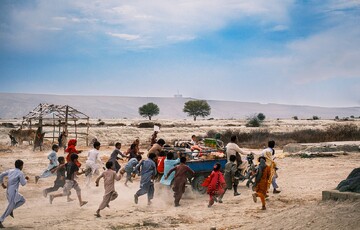
Majidi dedicates Busan premiere of “Midday Meal” to martyred children of Minab, brave people of Iran
TEHRAN – Majid Majidi’s latest film “Midday Meal” premiered at the 31st Busan International Film Festival (BIFF), and the director dedicated it to the brave people of Iran and the martyred children of Minab.
-
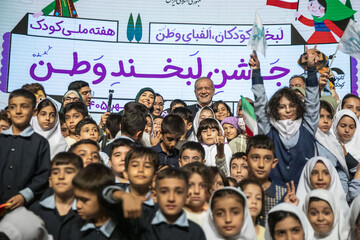
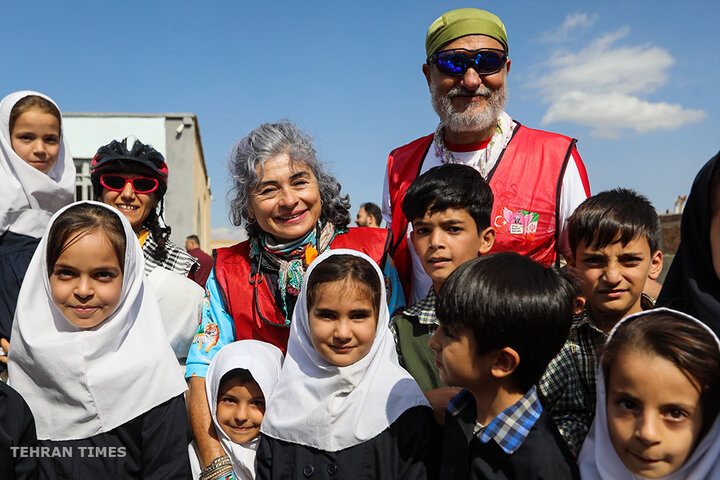
President Pezeshkian joins children at “Smile of the Homeland” ceremony
TEHRAN- Iran’s “Smile of the Homeland” ceremony was held in Tehran on Sunday, bringing together President Masoud Pezeshkian, Education Minister Alireza Kazemi and more than 600 children and teenagers, including children with special needs, to mark National Children’s Week.
-
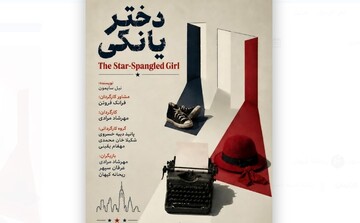
Tehran theater to host reading performance of “The Star-Spangled Girl”
TEHRAN- On Saturday, the Simorgh Theater Hall in Tehran will be hosting a reading performance of the acclaimed American playwright Neil Simon’s comedy “The Star-Spangled Girl”.
Economy
-
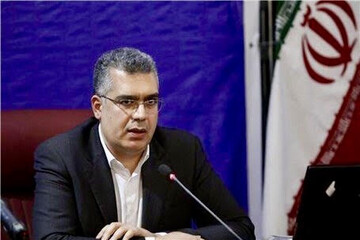
Exports continue through alternative routes: TPO head
TEHRAN- The head of the Trade Promotion Organization (TPO), referring to the effects of trade restrictions and a 34 percent drop in the weight of the country’s foreign trade in the first six months of this year, said: At the same time, part of exports is still being carried out by sea, and another part through corridors and land and rail routes. He also called rumors about the closure of some of the country’s borders incorrect.
-

‘Using petrochemical capacities to strengthen national economy required’
TEHRAN- The acting minister of oil, emphasizing the need to strengthen the governance role of the National Petrochemical Company, said: The capacities of the petrochemical industry must be used to create employment, increase production, generate income, and strengthen the country’s economy.
-
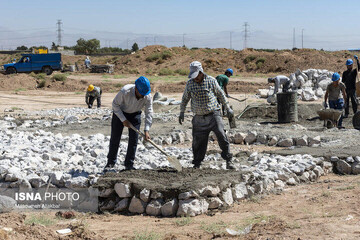
Housing Foundation announces allocation of 70,000 rural land plots to applicants
TEHRAN- The head of the Housing Foundation of the Islamic Revolution said: Under the Housing Foundation’s legal mandate in the Seventh Plan, 70,300 land plots in villages have been allocated, and information on 320,000 units has also been uploaded to the relevant system.
Society
-
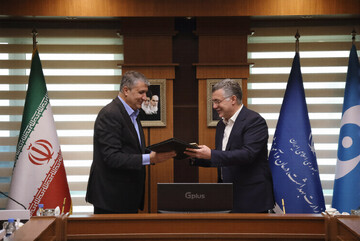
Iran to expand nuclear technology applications in healthcare
TEHRAN – The Ministry of Health and the Atomic Energy Organization of Iran (AEOI) have signed a memorandum of understanding to expand the application of nuclear technology in the healthcare sector.
-
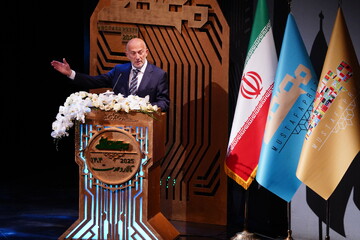
Mustafa Prize laureate donates award money to support young scientists
TEHRAN – Turkish Professor Mehmet Toner, a 2025 laureate of the Mustafa Prize, has pledged his share of the prize money to support the development of the Rasul Medal and provide research grants for young scientists.
-
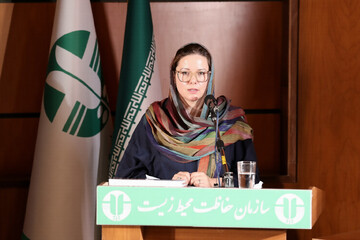
UN official: Environmental protection must be integral to post-war recovery
TEHRAN – UN Resident Coordinator in Iran Christine Weigand has stressed the far-reaching and long-term environmental consequences of war, saying environmental protection must be incorporated into both emergency response measures and long-term recovery plans, as protecting the environment ultimately means safeguarding human health, livelihoods and the future.
Tourism
-
Jajarm offers budget-friendly rural escape, but rail links need improvement
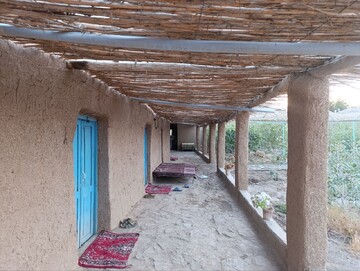
JAJARM, North Khorasan Province – With its quiet rural surroundings, historical railway station and proximity to protected natural areas, Jajarm has the potential to attract travelers seeking an affordable alternative to Iran’s busier tourist destinations. But poor railway facilities, limited train tickets and a shortage of visitor services remain major obstacles to turning that potential into a thriving tourism destination.
-
Dozens of possible dinosaur footprints emerge in Iran, researcher urges urgent documentation
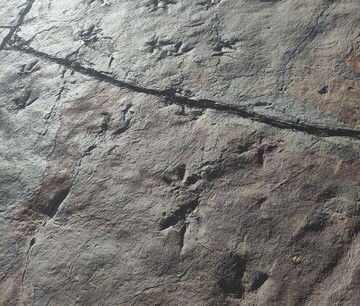
TEHRAN – A rock surface bearing dozens of possible dinosaur footprints has been exposed in Iran following a landslide, prompting a paleontologist to call for urgent scientific investigation and documentation to protect the traces from weathering and erosion.
-
Cultural officials reject Rubio’s remarks on Persian history at Athens’ Acropolis
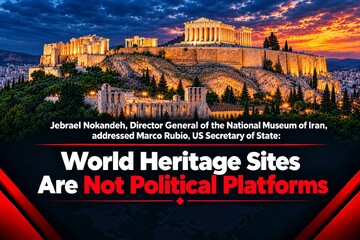
TEHRAN – Joining Iranian political officials, several senior cultural figures, including the tourism minister, the head of the Iranology Foundation and the director-general of the National Museum of Iran, have criticized US Secretary of State Marco Rubio’s remarks on ancient Persian history, saying historical civilizations should not be used to justify political hostility or threats of war.
International
-
Yemen Leaves Riyadh Grounded
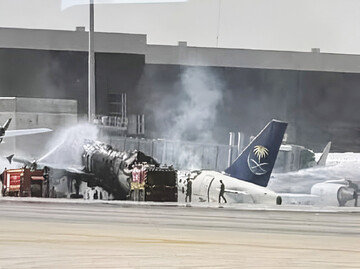
TEHRAN — Riyadh’s airport has been hit five times since Tuesday, October 6, by Saudi authorities’ own count, and the government cannot promise a sixth will not come. On Saturday, a missile struck King Khalid International Airport, killing at least 13 people and wounding more than 300, according to the kingdom. On Sunday, another projectile set Terminal 4 on fire. On Monday, the Saudi civil aviation authority extended the shutdown.
-
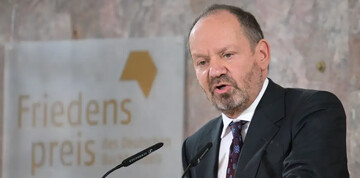
German silence on Gaza and the West Bank ‘has been loud’: Philippe Sands
TEHRAN — Philippe Sands, a professor of law at University College London and human rights lawyer at the International Court of Justice in The Hague, has criticized Germany’s “silence on crimes committed on the territory of Palestine, in Gaza and in the West Bank.”
-
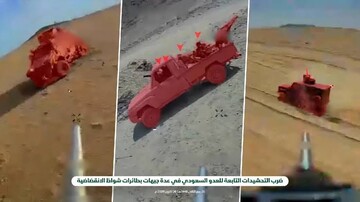
The weapon shifting Yemen’s frontlines
TEHRAN – While Yemeni missile attacks on Riyadh airport capture global headlines, another tactical weapon has shifted the frontlines near Bab al-Mandab.
Most Viewed
-
Bombs that pushed Iran across the rubicon
-
Powers greater than US tried to conquer Iran but ended up in ‘dustbin of history,’ Rezaei says
-
Yemen breaking the blockade and beginning a new phase
-
Nude Trump sculpture sparks political controversy at European Parliament
-
Tehran showcases urban market management, food security expertise to foreign delegations
-
Super oil tanker catches fire after hitting sea mine in Strait of Hormuz
-
Araghchi calls for international accountability for environmental destruction in wars
-
Iran, Turkmenistan emphasize expansion of parliamentary, economic cooperation
-
Pezeshkian invites Oman's Sultan to Tehran
-
Yemen Leaves Riyadh Grounded
-
Gaza protests fill Europe and Washington three years into Israel’s war
-
Syria between potential intervention in Yemen and domestic crises
-
Iran to pursue legal case over US strike on Minab school in foreign courts: Gharibabadi
-
Hive dwellers vs. screen players: The anatomy of two societies
-
Cultural officials reject Rubio’s remarks on Persian history at Athens’ Acropolis