-
 2026-09-12 20:37
By Maede Zaman Fashami
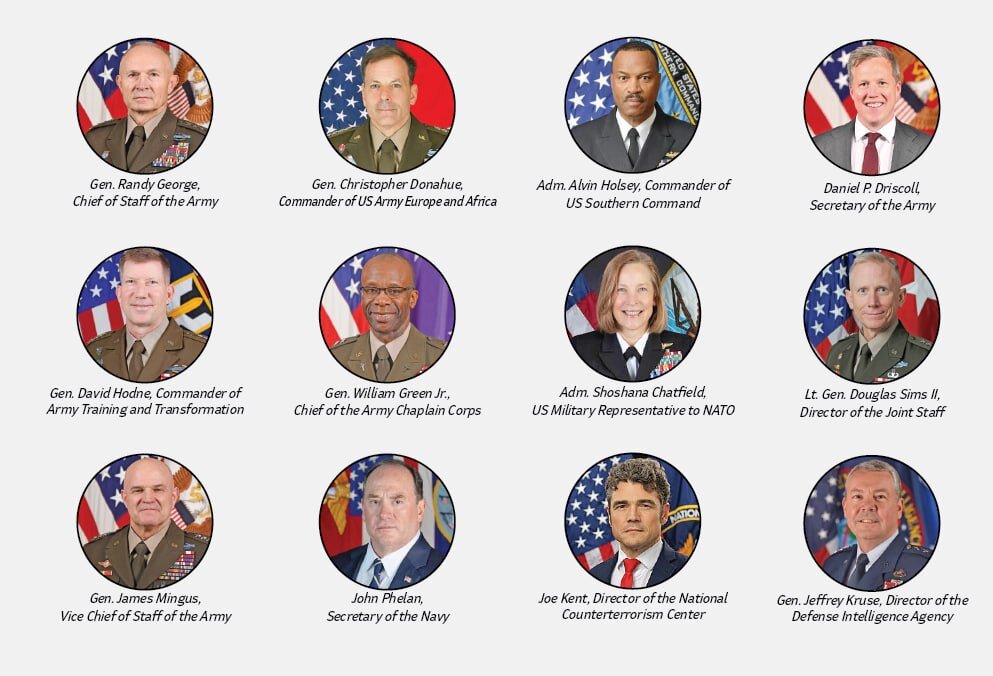
All the Pentagon’s men
The Iran war and a crisis of command in the US: what do 12 departures mean?
TEHRAN — Since the beginning of the war against Iran, Donald Trump and his Secretary of War, Pete Hegseth, have repeatedly described the performance of US forces and the results of American military operations in glowing terms, using phrases such as “victory,” “historic success,” and “major military achievements.”
-
Pezeshkian pursues wider economic ties and financial alternatives on BRICS sidelines
TEHRAN- Iranian President Masoud Pezeshkian has used his participation in the BRICS summit in New Delhi to intensify bilateral diplomacy with key members of the grouping, holding a series of meetings with the leaders of India, Malaysia, Ethiopia and the United Arab Emirates as Tehran seeks to expand trade ties and promote financial mechanisms less vulnerable to Western pressure.
-
Iran consults BRICS members to facilitate accession to NDB
TEHRAN- Iran is consulting fellow BRICS members to remove obstacles and facilitate its accession to the New Development Bank (NDB), Foreign Minister Abbas Araghchi said, as Tehran seeks greater access to multilateral financing and alternative financial channels through the emerging-economy bloc.
-
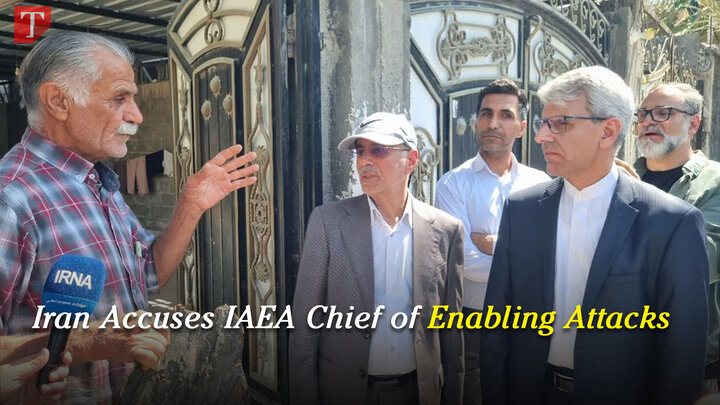
Iran says IAEA chief’s reports helped pave way for US-Israeli attacks
TEHRAN- Iranian Foreign Ministry spokesman Esmaeil Baqaei has accused the head of the International Atomic Energy Agency of helping create a narrative that was later used by the United States and Israel to justify military attacks against Iran.
-
By Xavier Villar
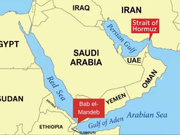
Bab el-Mandeb under Ansarallah’s control as oil crisis deepens
MADRID — In 2011, during the so-called "Arab Spring," the grievances of the Yemeni population reached a critical point, triggering mass protests demanding the resignation of President Ali Abdullah Saleh, who had ruled the country for more than thirty years.
-
By staff writer
Iraqi Resistance rejects Saudi pipeline accusation as ‘an honor we do not claim’
TEHRAN — The Islamic Resistance in Iraq has formally rejected Saudi allegations blaming it for recent drone strikes on the kingdom’s East-West crude pipeline. The resistance movement dismissed the charge on Saturday as “an honor we do not claim” and warned that the accusations are part of “malicious Zionist-American plots” meant to trap Iraq in a regional crisis.
Politics
-
Iran urges genuine reform of international governance mechanisms
TEHRAN- Iranian President Masoud Pezeshkian has called for genuine reform of international governance mechanisms, arguing that effective multilateralism requires equal respect for national sovereignty, non-discriminatory enforcement of international law and greater representation for developing countries.
-
Army, IRGC chiefs vow ‘unbreakable unity’ against hostile powers
TEHRAN – The chief commanders of the Iranian Army and the Islamic Revolution Guards Corps (IRGC) have underscored that the ironclad unity and operational synergy between the country’s armed forces have established an unbreakable shield against hostile powers, dealing a crushing blow to enemy miscalculations.
-
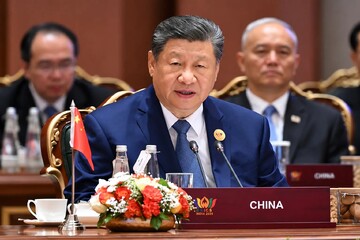
Xi signals China’s ‘due role’ in advancing West Asia peace via BRICS
TEHRAN — President Xi Jinping has underscored China’s readiness to assume a role in advancing peace and stability in West Asia, positioning the BRICS bloc as a pivotal force for regional de-escalation amid the ongoing war between Iran and the United States.
Sports
-
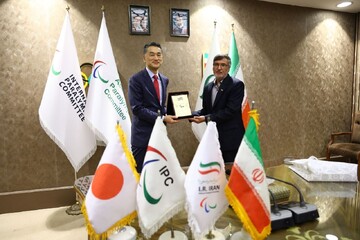
Japanese ambassador pledges support for Asian Para Games
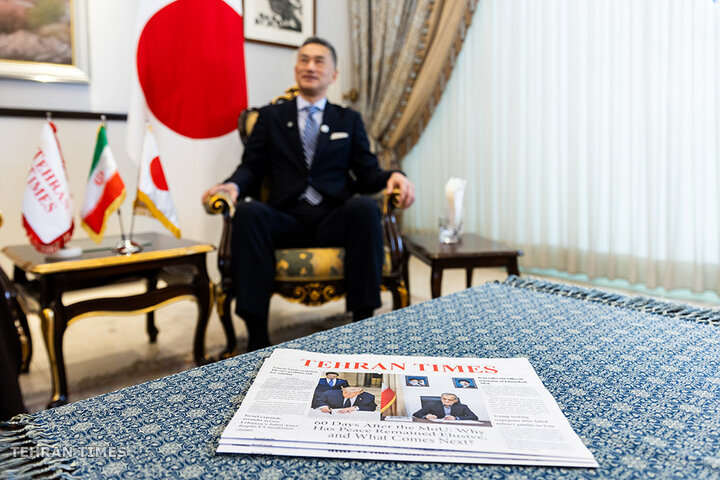
TEHRAN - Japan’s ambassador to Iran, Tamaki Tsukada, visited the National Paralympic Committee of Iran and held talks with its President, Ghafour Kargari, focusing on Iran’s participation in the 2026 Aichi-Nagoya Asian Para Games.
-
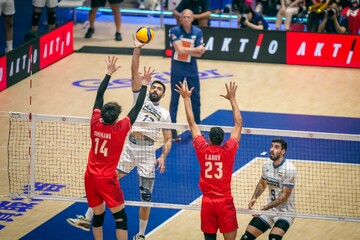
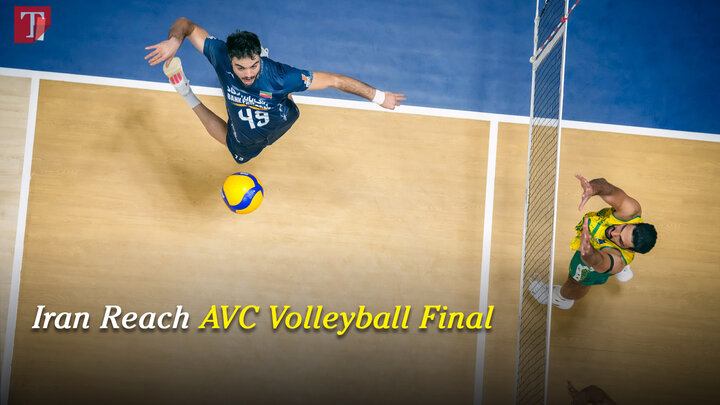
Japan sweep Iran to win 2026 AVC Men’s Volleyball Championship
TEHRAN - Japan clinched the 2026 AVC Men’s Volleyball Continental Championship title with a commanding 3–0 (25–21, 26–24, 25–23) victory over Iran in the final on Sunday.
-
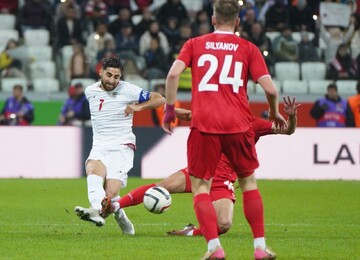
Iran set for Uzbekistan and Russia friendlies
TEHRAN - Iran’s national football team will face Uzbekistan and Russia during the upcoming September FIFA international window as part of their preparations for the 2027 AFC Asian Cup.
Culture
-

Iranian drama “Whisper My Name” wins two awards at International Film Festival of Jammu and Kashmir
TEHRAN – The 1st International Film Festival of Jammu and Kashmir in India concluded on Thursday evening, with Iranian film “Whisper My Name” winning two awards.
-

“Pressure” to go on screen at Tehran cultural center
TEHRAN- Arasbaran Cultural Center in Tehran is scheduled to screen Australian filmmaker Anthony Maras’ 2026 war drama “Pressure” on Sunday evening.
-

What’s in Tehran art galleries
Melal Gallery is playing host to an exhibition of paintings by a group of Iranian artists. The exhibition named “Between Earth and Sky” will be running until October 9 at the gallery that can be found at the Melal Cultural Center in the Qeitarieh neighborhood.
Economy
-
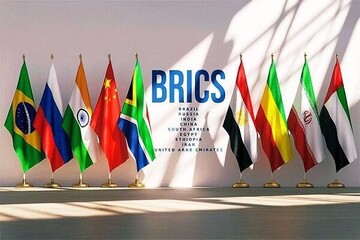
How can BRICS help Iran’s trade get past sanctions, dollar?
TEHRAN- For Iran, BRICS is not merely an economic pact; it is a large market and a set of financial, commercial, and transit routes that, if their capacities are activated, can open a new chapter in the country’s foreign trade.
-
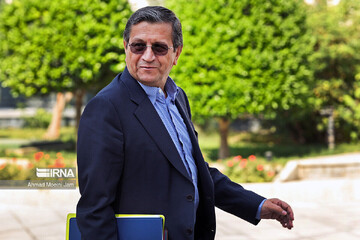
CBI governor departs for Turkey; pursuing new banking exchange mechanisms
TEHRAN- Abdolnaser Hemmati, Governor of the Central Bank of Iran (CBI), left Tehran for Istanbul, Turkey, to attend the meeting of central bank governors of Islamic countries.
-
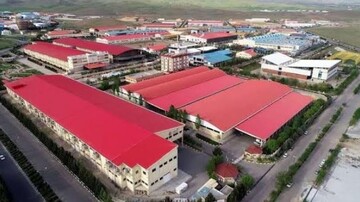
Iran’s industrial parks to become smart, specialized ecosystems under new SME strategy
TEHRAN- Iran’s industrial parks must become smart, specialized, and sustainable ecosystems, said Tahmoures Lahouti Ashkouri, deputy minister of industry and head of the Iran Small Industries and Industrial Parks Organization.
Society
-

Knowledge-based companies to expand role in advanced materials sector
TEHRAN – Building links between small knowledge-based companies and major industries is a key strategy for reforming the technology structure, expanding markets, and achieving sustainable growth, an official with the Vice Presidency for Science, Technology and Knowledge-Based Economy has said.
-

Iranian universities, Malaysia’s UKM discuss joint high-tech research projects
TEHRAN – Iran’s top universities are ready to launch joint technology projects with Malaysia’s National University (UKM) in artificial intelligence, semiconductors and clean energy, Iran’s scientific attaché to East Asia said during a visit to the Malaysian university.
-
Iran to chair Tehran Convention, lead Caspian Sea environmental protection efforts
TEHRAN – Iran will host the seventh meeting of the Conference of the Parties to the Tehran Convention on the protection of the Caspian Sea environment from September 20 to October 1, following a three-year hiatus, and will assume the convention’s rotating presidency at the conclusion of the meeting.
Tourism
-
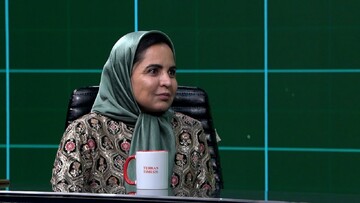
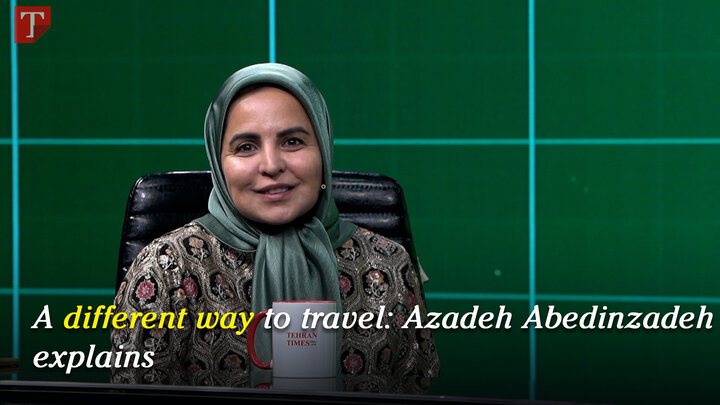
A different way to travel: Azadeh Abedinzadeh explains
TEHRAN - Tourism is often measured by the visitors it attracts and the income they generate. But what if its success could also be measured by the forests it helps protect, the traditions it keeps alive and the opportunities it creates for local communities? This is the thinking behind regenerative tourism, an approach that seeks to move beyond reducing tourism’s negative impacts and toward restoring and strengthening the places people visit.
-
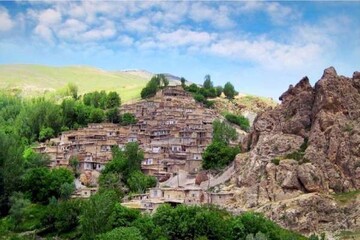
Quzlu: A stepped village offering a glimpse of rural Iran
TEHRAN - The stepped village of Quzlu, nestled in the mountainous landscape of northwestern Iran, offers travelers a chance to experience traditional rural architecture, unspoiled nature and a time-honored cultural heritage.
-
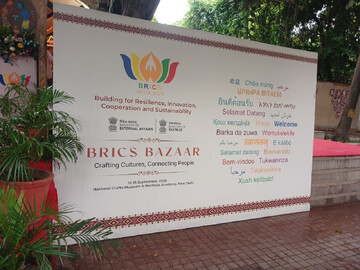
Iranian women showcase traditional crafts at BRICS exhibition in New Delhi
TEHRAN – A group of female Iranian artisans highlight skills at a handicraft’s exhibition being held on the sidelines of the 18th BRICS Summit in New Delhi.
International
-
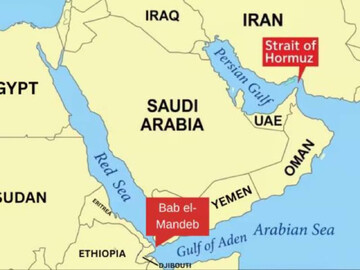
Bab el-Mandeb under Ansarallah’s control as oil crisis deepens
MADRID — In 2011, during the so-called "Arab Spring," the grievances of the Yemeni population reached a critical point, triggering mass protests demanding the resignation of President Ali Abdullah Saleh, who had ruled the country for more than thirty years.
-
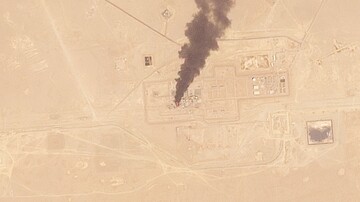
Iraqi Resistance rejects Saudi pipeline accusation as ‘an honor we do not claim’
TEHRAN — The Islamic Resistance in Iraq has formally rejected Saudi allegations blaming it for recent drone strikes on the kingdom’s East-West crude pipeline. The resistance movement dismissed the charge on Saturday as “an honor we do not claim” and warned that the accusations are part of “malicious Zionist-American plots” meant to trap Iraq in a regional crisis.
-
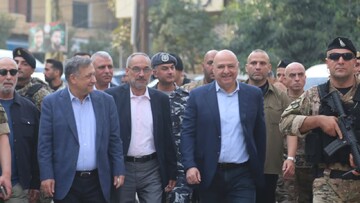
Aoun’s dilemma: When diplomacy fails to change reality on the ground
TEHRAN — Lebanese President Joseph Aoun’s visit to Nabatieh was intended to convey a powerful political message: the Lebanese state stands with the people of the south.


Most Viewed
-
Ansar Allah Now Commands Bab al-Mandab Strait
-
All the Pentagon’s men
-
Technofascism is already here; Big Tech built it
-
US acting Navy secretary: Iran ‘blew the hell out of’ US base in Bahrain
-
China, Russia reject pressure on Iran as nuclear dispute returns to UNSC
-
Bab el-Mandeb under Ansarallah’s control as oil crisis deepens
-
Iranian strikes force UAE to dismantle plans for its AI mega-campus
-
Iran urges BRICS to expand use of national currencies in trade
-
Pezeshkian pursues wider economic ties and financial alternatives on BRICS sidelines
-
Iran pushes for local currencies, alternative payment systems to counter sanctions in BRICS summit
-
Iranian, South Korean FMs hold phone call as protesters in Seoul oppose Hormuz deployment
-
Sharp surge in oil prices recorded
-
Xi signals China’s ‘due role’ in advancing West Asia peace via BRICS
-
From Bishkek to New Delhi, Xi advocates Global South cooperation
-
A quarter century of US war crimes at wedding celebrations