-
 2026-08-25 20:51
Gambler’s hand revealed to Iran
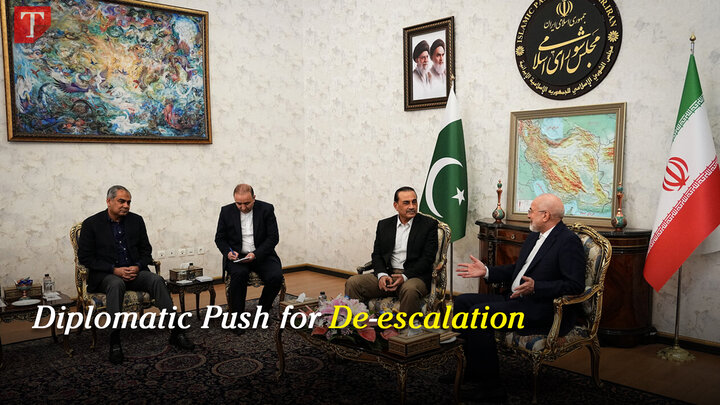
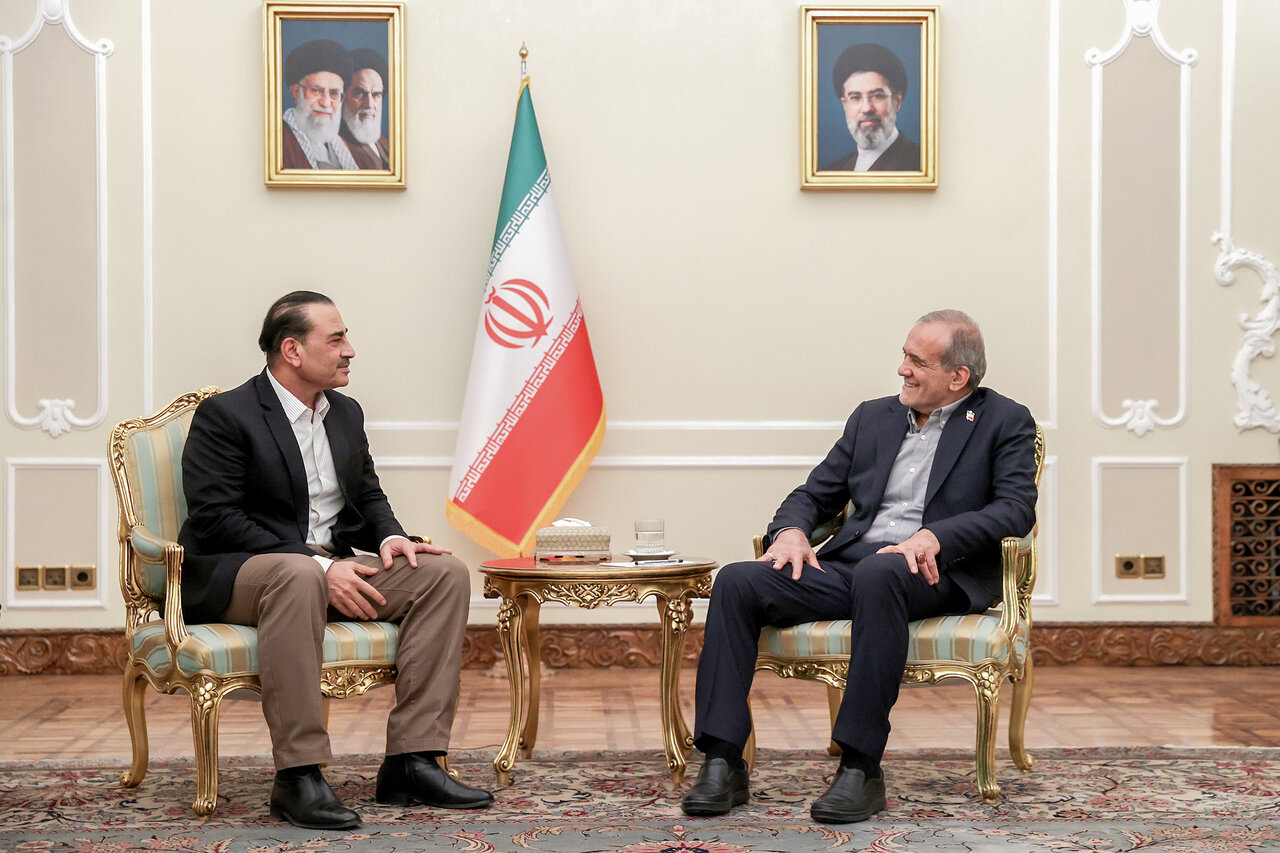
Trump plays the economic war card with Bessent while sending Field Marshal Asim Munir to seek a face-saving exit from the quagmire of war with Iran
TEHRAN — Pakistan’s Chief of Defense Forces, Field Marshal Syed Asim Munir, and Interior Minister Mohsin Naqvi wrapped up a day-long official visit to Tehran on Monday night after holding talks with senior Iranian political and security leadership aimed at advancing a comprehensive framework for resolving regional issues.
-
Iran’s security chief: US has no place in West Asia
TEHRAN — The United States will have no place in the future of the West Asia, and regional countries themselves will determine the direction of the region, Iran’s top security official said Tuesday, as Tehran called for closer regional cooperation and stronger security along its border with Iraq.
-
Joint Iran-Oman statement on Strait of Hormuz: Proposal for temporary corridor and mine clearance
TEHRAN- Foreign Minister Abbas Araghchi met with his Omani counterpart Sayyid Badr bin Hamad bin Hamood Al-Busaidi in Tehran on Tuesday.
-
By M.A. Saki
Trump-Netanyahu’s war crimes against the environment
TEHRAN – By launching an unwarranted war on Iran on Feb. 28, the United States under Donald Trump and Israel under Benjamin Netanayahu simultaneously launched war crimes against the environment.
-
By Ali Minabi
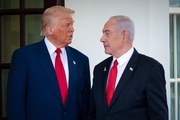
How Trump uses the “Peace Council” to reshape global order
Since his re-election to a new term, Trump has vigorously pursued a unipolar American domination of the world through a series of policies. Among these were his attempts to replace the UN with the Gaza “Peace Council”.
-
Strategic vacuum: Why is Trump's economic warfare against Iran doomed to fail?
TEHRAN- Six months into his military campaign against Iran, Donald Trump finds himself trapped in the very quagmire he promised to eliminate. What began as a boastful declaration of "decisive action" to crush Iran and effect regime change has devolved into a strategic fiasco that not only fails to achieve its objectives but is inflicting profound damage on the U.S. economy and global stability. The administration's latest gambit—announcing the "largest financial attack in history" against Iran on August 24, a self-styled "D-Day" of economic warfare—appears less a stroke of genius and more an act of desperation from a presidency with no viable strategy left.
Politics
-
Iran army ground forces commander: “borders are our red line”
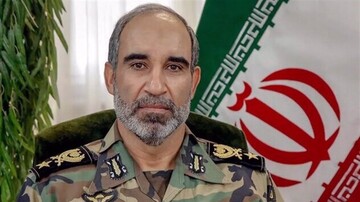
TEHRAN- Brigadier General Ali Jahanshahi, commander of Iran’s army ground Forces, has warned Takfiri terrorist groups and other hostile elements operating beyond Iran’s borders that any attempt to create insecurity or carry out attacks near the country’s territory would trigger a “decisive and crushing” response.
-
Trump threatens Oman with annihilation
MADRID – Trump's frustration with the situation in Iran is evident. The war has been a resounding failure, both politically and militarily. This failure is so profound that, according to US media, the Pentagon is reassessing its military presence in the region, signaling that the war with Iran has transformed the American footprint in West Asia.
-
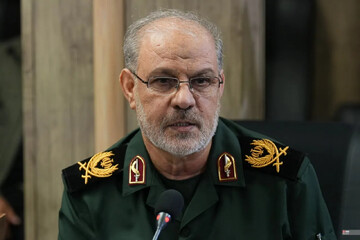
IRGC: Threats to Iran's infrastructure will draw heavy strikes on US vital interests
TEHRAN- Brigadier General Hossein Mohebbi, spokesman for Iran's Islamic Revolutionary Guard Corps (IRGC), issued a stark warning on Monday, asserting that any US attempts to target Iran's critical infrastructure would provoke severe strategic retaliation against America's vital interests.
Sports
-

Iran’s women’s volleyball move up in FIVB world rankings
TEHRAN - Iran’s women’s national volleyball team have reached a historic milestone, climbing two places to No. 40 in the latest FIVB world rankings.
-
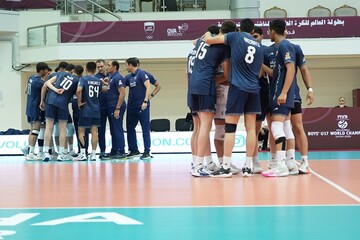
Iran into 2026 FIVB U17 World Championship QFs
TEHRAN – Iran beat Chinese Taipei 3-0 (25–18, 25–19, 25–21) at Round of 16 of the 2026 FIVB Volleyball Boys’ U17 World Championship in Doha, Qatar on Tuesday.
-
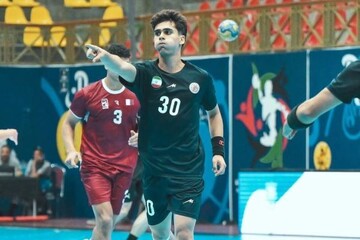
Iran defeat Kuwait at 2026 Asian Youth Handball Championship
TEHRAN – Iran defeated Kuwait 21-18 at the 2026 Asian Youth Handball Championship on Monday.
Culture
-
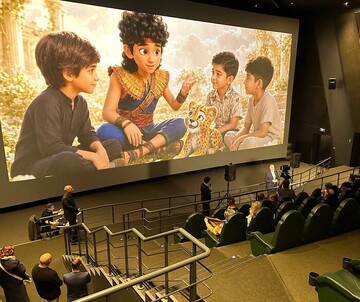
Iranian animation “The Legend of Sepehr” released in Russian cinemas
TEHRAN – The screening of the Iranian animation “The Legend of Sepehr,” directed by Emad Rahmani and Mehrdad Mehrabi, in 89 cinemas across Russia began on Monday evening with a special ceremony honoring the memory of the martyred children of Minab.
-

“Land of Angels” to go on screen at Kazan International Film Festival
TEHRAN- Iranian filmmaker Babak Khajehpasha’s “Land of Angels” is set to be screened at the 22nd Altyn Minbar Kazan International Film Festival, marking the beginning of the film’s international screenings.
-
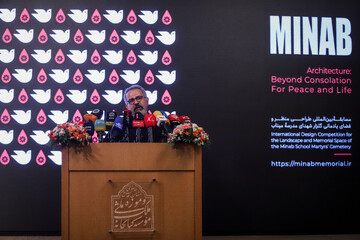
International competition launched to design Minab school martyrs’ memorial
TEHRAN – The International Landscape and Memorial Space Design Competition for the Minab School Martyrs’ Cemetery has been officially launched, seeking to create a lasting memorial space that honors the victims, preserves their stories and conveys a message of peace and resistance.
Economy
-
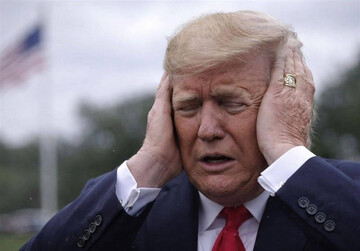
Strategic vacuum: Why is Trump's economic warfare against Iran doomed to fail?
TEHRAN- Six months into his military campaign against Iran, Donald Trump finds himself trapped in the very quagmire he promised to eliminate. What began as a boastful declaration of "decisive action" to crush Iran and effect regime change has devolved into a strategic fiasco that not only fails to achieve its objectives but is inflicting profound damage on the U.S. economy and global stability. The administration's latest gambit—announcing the "largest financial attack in history" against Iran on August 24, a self-styled "D-Day" of economic warfare—appears less a stroke of genius and more an act of desperation from a presidency with no viable strategy left.
-
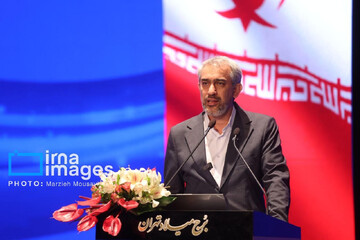
Economy minister responds to new US sanctions: Offensive economic strategy prepared
TEHRAN – Iran's Minister of Economic Affairs and Finance, Seyed Ali Madanizadeh, has stated that the government has formulated an offensive economic plan to counter US sanctions against the Iranian nation.
-
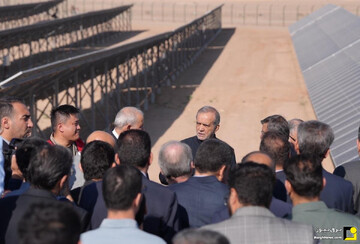
Iran's largest solar power plant inaugurated to supply electricity to Shamsabad industrial town
TEHRAN- Iran's largest solar power plant was officially inaugurated on Tuesday, the second day of Government Week, with President Masoud Pezeshkian in attendance. The facility is designed to supply part of the electricity demand of Shamsabad Industrial Town, the country's largest industrial zone, located southeast of Tehran.
Society
-
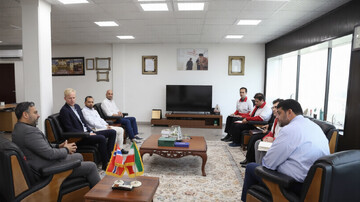
Norwegian Red Cross seeks to develop co-op with IRCS
TEHRAN – The Norwegian Red Cross has expressed its readiness to expand cooperation with the Iranian Red Crescent Society (IRCS) across a range of areas, including healthcare, disaster preparedness and response, training, equipment, and the exchange of expertise.
-
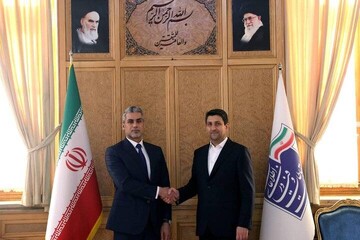
Tehran, Baghdad highlight fostering ICT ties
TEHRAN – Information and Communication Technology (ICT) Minister Sattar Hashemi and Iraqi Ambassador to Iran Yasser Abdulzahra Al-Hajjaj have underlined the need to strengthen cooperation between the two countries in the ICT sector, particularly in emerging technologies and the digital economy.
-
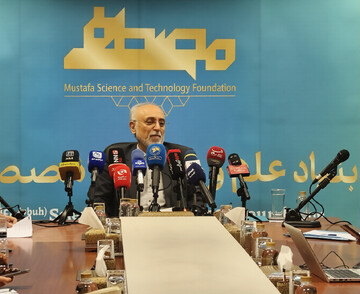
Mustafa Prize announces programs for 2026 edition
TEHRAN – The Mustafa Prize Foundation held a press conference in Tehran on Tuesday to announce the programs for the 7th edition, which is scheduled to be held in August next year.
Tourism
-
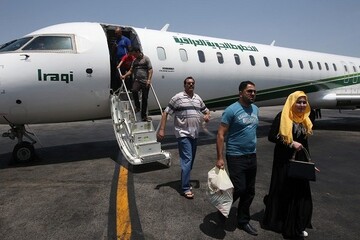
Tehran seeks roadmap to lift Iran-Iraq tourist exchanges to 5m
TEHRAN – Iran is seeking to increase tourist exchanges with neighboring Iraq to five million visitors in each direction within a year, Iran’s tourism minister said, calling for the goal to be turned into a detailed and measurable roadmap.
-
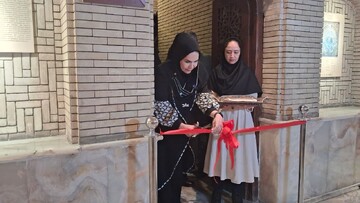
Tehran, Dushanbe open virtual exhibition highlighting shared decorative arts
TEHRAN – A joint virtual exhibition showcasing Iran’s Qajar-era tilework and Tajikistan’s traditional Kundal decorative art has opened simultaneously at the Golestan Palace World Heritage site in Tehran and the National Museum of Tajikistan.
-
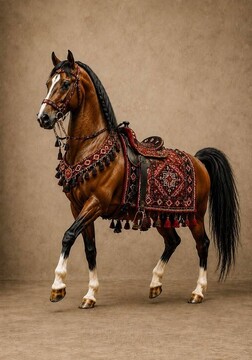
Cultural event to spotlight Iran’s Dareshuri horse
TEHRAN – A cultural and artistic event dedicated to Iran’s Dareshuri horse is scheduled to be held in Semirom, Isfahan province, bringing together horse experts, breeders, riders, researchers and artists to promote the breed and highlight its cultural and heritage significance.
International
-
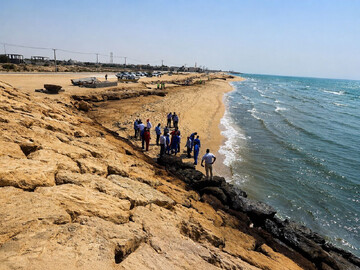
Trump-Netanyahu’s war crimes against the environment
TEHRAN – By launching an unwarranted war on Iran on Feb. 28, the United States under Donald Trump and Israel under Benjamin Netanayahu simultaneously launched war crimes against the environment.
-
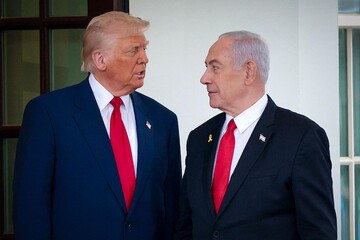
How Trump uses the “Peace Council” to reshape global order
Since his re-election to a new term, Trump has vigorously pursued a unipolar American domination of the world through a series of policies. Among these were his attempts to replace the UN with the Gaza “Peace Council”.
-
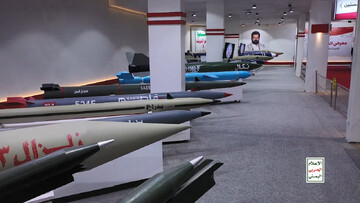
Yemen strikes Saudi oil tanker, warns Riyadh of ‘graveyard and hell’
TEHRAN — Yemeni military commanders have issued a stern warning to Saudi Arabia, affirming that years of foreign-backed aggression have failed to break Sanaa and have instead forged an advanced defense capability able to alter the regional balance of power.
Most Viewed
-
Open letter on Iranian prisoners draws criticism over its framing of war
-
Trump turns to smoke and mirrors
-
Tehran warns countries supporting US military actions of consequences
-
Israel steps up attacks on Syria hours after top Syrian diplomat meets Mossad chief
-
Qalibaf tells Asim Munir: US bad faith hinders regional stability
-
Pezeshkian: Iranians highly vigilant to be deceived by enemies
-
Iran discovers major gas field "Takhteh" in Fars province worth $45b
-
IRGC: Threats to Iran's infrastructure will draw heavy strikes on US vital interests
-
Iran-Cuba economic ties: Unlocking investment potential amid sanctions, legal reform
-
US-Israeli strikes hit Iran’s nuclear, medical sites
-
40th Islamic Unity Conference to be held in Tehran, Qom, Mashhad
-
Major General Hatami: Iran prepared to fight for generations to defend homeland
-
Iran attends STI Ministerial Meeting in India
-
Iran proposes BRICS to establish network centered on children’s human capital
-
Gambler’s hand revealed to Iran