Over 70 diagnostic, therapeutic radiopharmaceuticals being produced in Iran
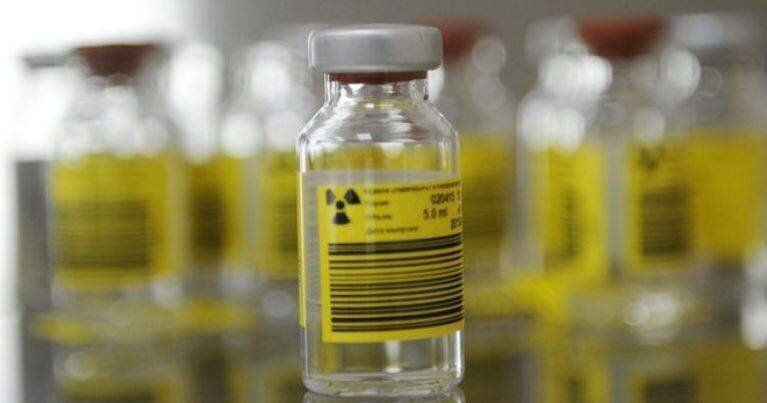
TEHRAN – Iran has achieved a distinguished position in the region in the field of radiopharmaceuticals and biotechnological drugs, manufacturing 70 types of diagnostic and therapeutic radiopharmaceuticals domestically, the head of the Food and Drug Administration (FDA) has said.
Iran’s self-sufficiency in producing radiopharmaceuticals is a strategic accomplishment for the health system, placing the country among regional leading nations in this field, IRNA quoted Mehdi Pirsalehi as saying.
Due to the short half-lives of radiopharmaceuticals and restrictions from sanctions, importing these radioactive drugs is practically impossible. Therefore, their domestic production plays a decisive role in meeting patients’ needs, the official stressed.
Highlighting that the country ranks among the top three in the biotechnology sector in the region, Pirsalehi said knowledge-based companies that started their activities some 24 years ago have now become major industries employing thousands of specialists.
The official went on to say that the country has entered modern pharmaceutical technologies, reaching the final phases of various projects such as personalized medicine and cell and gene therapy, and that some products have obtained production licenses.
In August 2025, Mohammad Eslami, the head of Iran’s Atomic Energy Organization (AEOI), said heavy water derivatives and plasma medicine are opening new frontiers in drug development and medical treatment, marking a major step in the application of nuclear technology to public health.
He announced that a new cooperation agreement has been signed to advance plasma medicine research and national projects, describing it as “a document of collective will” to strengthen healthcare through advanced technology.
Eslami added that under a memorandum of understanding with the Ministry of Health, clinical trials that were previously concentrated at Tehran University will be expanded to selected universities across the country.
“This will accelerate the spread of plasma-based technologies to different provinces,” he said, “ensuring that all Iranians can benefit equally and simultaneously from these advances.”
The remarks came during ceremonies marking National Physicians Day, where Eslami also highlighted the AEOI’s success in producing more than 70 types of radiopharmaceuticals, now supplied to over 220 nuclear medicine centers across Iran and exported abroad. He said these products are used in diagnostics, palliative care, and therapy, while another 20 radiopharmaceuticals are currently under research and clinical trials.
Currently, Iran produces more than 70 types of radiopharmaceuticals, supplying over 220 nuclear medicine centers nationwide. These products, Eslami said, cover three categories: diagnostic, therapeutic, and palliative.
In the diagnostic field, advances are pushing “the frontiers of knowledge,” improving precision so doctors can better examine patients’ bodies. On the therapeutic side, he added, the focus is on easing patients’ suffering while providing more effective treatments.
Eslami revealed that around 20 additional radiopharmaceuticals are currently under research and in clinical trial phases, reflecting Iran’s growing capacity to integrate nuclear science into healthcare.
Biotech holds 60% share of pharmaceutical exports
Biotechnology products account for a major portion of Iran’s pharmaceutical exports, with a share of 60 percent.
Some 99 percent of pharmaceutical biotechnology products are manufactured domestically, Mehr news agency quoted Haleh Ahmadi, the head of the association of pharmaceutical biotechnology producers and exporters, as saying in September.
Biotechnology products are exported to 40 countries worldwide, compared to 35 countries in the past Iranian calendar year (March 2024 – March 2025). The exported medicines are worth 120 – 130 million dollars, Ahmadi said.
Thanks to the pharmaceutical biotechnology producers, the country is saving 5 billion dollars, which would have otherwise been spent on importing these products, she noted.
Currently, 45 pharmaceutical biotechnology products, including medicines, kits, and medical tools, are produced in Iran, Ahmadi added.
MT/MG
Leave a Comment