US poised to return to the negotiating table it bombed in June
Iranians offer Trump another chance after regional countries step in
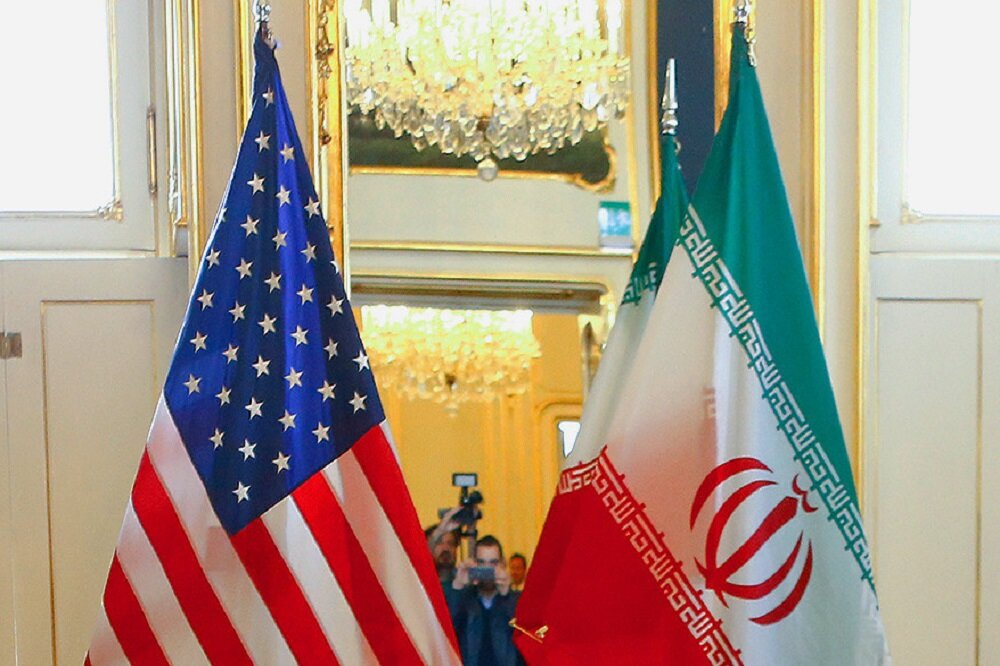
TEHRAN – Iranians have agreed to give diplomacy with the United States another chance after at least seven regional countries urged Tehran in calls with President Masoud Pezeshkian to set aside Washington’s long record of bad faith and pursue talks.
Still, public sentiment inside Iran — combined with the content of Western media coverage — suggests that trust has eroded so deeply that even basic details about the negotiations have become a source of controversy.
On Wednesday, as Tehran marked a national holiday commemorating the return of Imam Khomeini, the founder of the Islamic Republic, reporters from the Tehran Times spoke with residents across the capital. Few expressed optimism about the proposed talks, which reports say are expected to take place in Oman — assuming the United States does not derail them through an unexpected move in the coming hours.
“The last time we sat at the negotiating table, we got bombed in the middle of the talks,” said a man in his 40s at a food stand outside a mosque in southern Tehran. The stand appears every year on the same day, offering tea and warm drinks to passersby. “Still, I don’t think attending talks is a mistake,” he added. “It shows the region that Iran favors diplomacy. But I don’t believe a real deal with America is possible. In the end, I think Washington wants war.”
In a busy café in northern Tehran, a girl in her late teens said she had not even heard that Iran and the United States were planning to meet. “Weren’t we on the verge of another war?” she asked, referring to repeated threats made by President Donald Trump in January, when he warned of an attack on Iran while voicing support for armed elements that escalated protests between January 8 and January 14. Trump also ordered U.S. warships toward Iran and the Persian Gulf, threatening military action unless Tehran agreed to a new nuclear deal on his terms. “I don’t really have strong feelings about it,” the girl said. “I’m just glad the internet is back.”
Iran imposed sweeping internet restrictions on January 8 after armed groups took to the streets in cities across the country, attacking police stations, torching public and private property, and killing civilians and security personnel. The unrest had begun weeks earlier as peaceful protests over economic hardship caused by years of U.S. sanctions. For several days, the demonstrations remained nonviolent as the government held talks with shopkeepers and merchants — the core group of protesters — and introduced emergency economic measures to address foreign currency shortages.
The situation changed sharply after the son of Iran’s deposed shah, who has been in close contact with Israeli leaders since at least 2022, called on his “supporters” to take to the streets, following admissions by figures close to him that some of those supporters were armed. Around the same time, the Persian-language account of Israel’s Mossad posted on X that Israeli agents were “on the ground” in Iran. Leader of Iran’s Islamic Revolution Ayatollah Seyyed Ali Khamenei later described the events as resembling a “coup.” Analysts said Washington and Tel Aviv appeared to be betting that the violence would spiral beyond the government’s control, paving the way for a second military attack on Iran.
Despite a death toll of around 3,100 — including civilians, security forces, and armed assailants — the internet shutdown enabled Iranian security services to sever communications between militant cells and their handlers, primarily in Israel and, to a lesser extent, Europe. Authorities say large quantities of smuggled weapons and surveillance equipment were seized, and analysts note that the Mossad and CIA-linked networks dismantled last month had taken years to establish.
Trump ultimately shelved his attack plans after the unrest failed to produce the desired outcome and after Iranian leaders, including Ayatollah Khamenei, warned that even a limited strike would trigger a regional war.
A relationship defined by broken deals and war
Relations between Iran and the United States have been fractious since the 1979 revolution that toppled the U.S.-backed shah, but tensions have been particularly acute during Trump’s two presidencies. During his first term, Trump withdrew from the 2015 nuclear agreement, known as the JCPOA, which had imposed limits on Iran’s nuclear program in exchange for sanctions relief. He demanded that Iran dismantle its nuclear infrastructure entirely, curb its missile capabilities, and sever ties with Resistance groups — conditions Tehran rejected. The ensuing “maximum pressure” campaign devastated Iran’s economy without achieving its stated goals, culminating in a 12-day war in June 2025 that caused widespread destruction in Israeli cities and damaged the largest U.S. base in West Asia. None of Trump’s objectives — from dismantling Iran’s nuclear program to toppling the Islamic Republic — were realized. He launched that war just as a sixth round of nuclear talks was scheduled.
The upcoming negotiations are the product of sustained diplomatic efforts by Oman, Qatar, the United Arab Emirates, Saudi Arabia, Turkey, Egypt, and Pakistan, all of which fear that another U.S.-Iran conflict would engulf the region. Iran has warned that American bases across West Asia would be targeted in any new war and that it could close the Strait of Hormuz, sending global oil prices soaring. Allied groups in Lebanon, Iraq, and Yemen have also signaled they would join the fight.
Iranian officials have made clear that the talks will be limited strictly to nuclear issues. Tehran has also ruled out dismantling its nuclear program. Analysts, however, believe Iran could still agree to commitments that exceed those made under the JCPOA. At the same time, officials say Iran will remain prepared for war even as negotiations proceed.
Western media focus on process, not substance
Western media coverage of the talks has already underscored how fragile the process remains. Outlets have focused intensely on procedural details — particularly the location of the talks — despite the fact that nearly every regional actor, except Israel, is pressing for a diplomatic outcome. Reports have highlighted supposed Iranian demands to move the venue from Turkey to Oman, even though Tehran maintains close ties with both countries and Oman has long served as the primary mediator, including during the JCPOA negotiations. Iran’s Foreign Minister Abbas Araghchi thanked Turkish and other regional diplomats during phone calls held on Tuesday. Tehran has also left open the possibility of holding future rounds elsewhere.
What is clear, however, is that Europe no longer plays a meaningful role. Despite being original signatories to the JCPOA, Germany, Britain, and France have had no recent contact with either Araghchi or President Pezeshkian. According to a source familiar with the leadership’s thinking, Tehran now views the three countries as obstacles rather than intermediaries.
That perception hardened in August, when European governments reinstated pre-JCPOA United Nations sanctions at Washington’s request and backed U.S.-Israeli attacks on Iran, while imposing additional sanctions of their own — despite having remained formal signatories to the nuclear deal until its expiration last October.
Leave a Comment