Rafah crossing: Symbolic gesture or start of a new era?
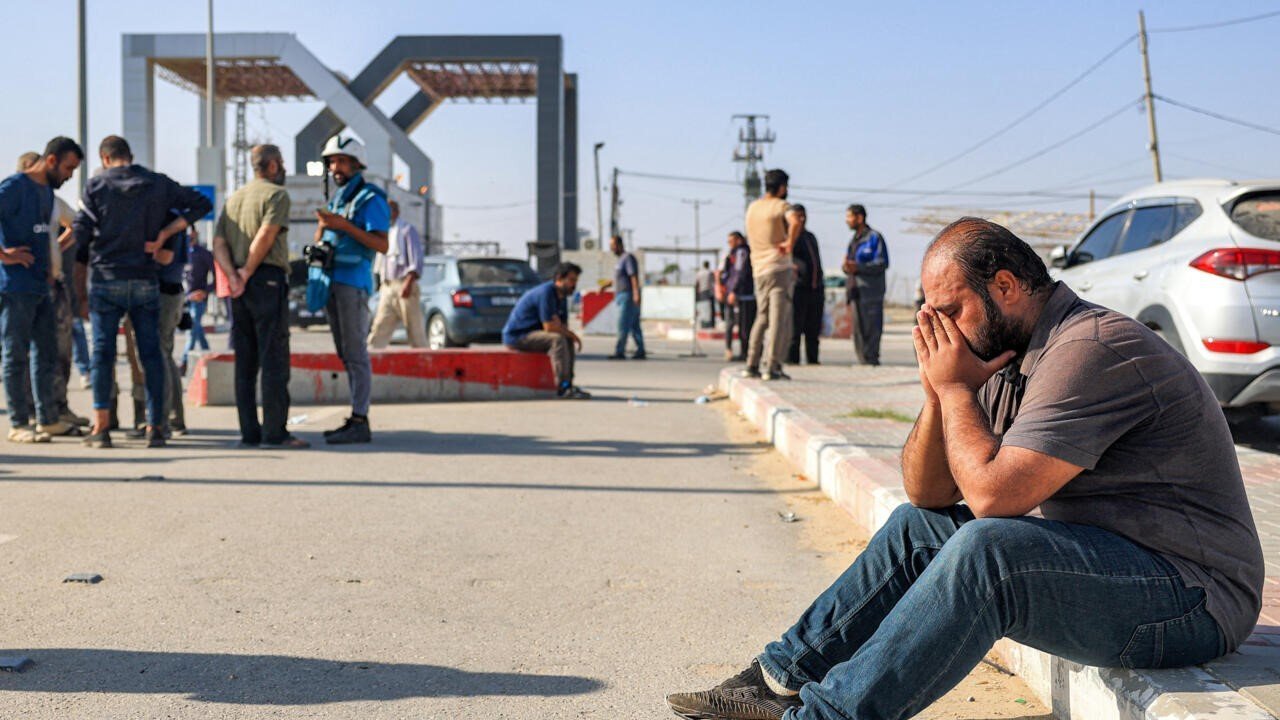
TEHRAN – After two years of closure, the Rafah land crossing has once again come into the spotlight.
Palestinians have received this development with a mix of hope and caution, as it revives a central question that remains unanswered: Is this a symbolic step by the Israeli regime aimed at absorbing international pressure, or does it mark the beginning of a genuine humanitarian breakthrough that could ease the suffering of more than two million Palestinians living under a suffocating blockade?
Rafah must be viewed as more than a border gate between Gaza and Egypt. For Gaza’s population, it represents a vital lifeline. Although the Strip is under direct Israeli regime siege, the crossing has, in practice, remained hostage for years to complex political and security equations.
Its opening or closure has been a fundamentally political decision, rarely governed by humanitarian considerations alone.
Historically, the operation of the crossing has been tied to undeclared understandings among several parties under specific security arrangements, whereby it could only function with the collective consent of key actors, most notably Egypt, the Zionist regime, the European Union, and the Palestinian Authority.
Throughout this process, Gaza’s residents have been the most affected and the least influential in decision-making.
Since 2007, Rafah has effectively become a tool of political pressure for the Israeli regime. It opens partially during periods of calm and closes completely whenever tensions escalate in Gaza.
This pattern has turned the crossing into a permanent symbol of instability in Palestinians’ daily lives.
The current reopening comes within a narrowly defined humanitarian framework, limited to allowing a specific number of patients to leave Gaza each day, accompanied by a small number of family members.
There is no comprehensive opening for the movement of people, nor permission for goods to enter directly through the crossing.
While this step is critically important for patients facing slow death due to the collapse of Gaza’s healthcare system, it remains far from adequate in light of the scale of the humanitarian catastrophe.
Allowing dozens of patients to cross daily does not align with the reality of thousands of critical cases resulting from two consecutive years of genocidal war and ethnic cleansing. Thousands have been deprived of their right to treatment, despite international laws guaranteeing that right.
Moreover, this limited opening does nothing to address the structural crisis: severe shortages of medical equipment and medicines, the collapse of hospitals, the absence of commercial activity, and the continued ban on the entry of construction materials, fuel, and basic supplies.
Reopening the crossing appears more like a symbolic measure for the Zionist regime to manage a crisis rather than a serious attempt to resolve it.
The regime's position remains a decisive factor in determining the scope of the crossing’s operation.
Close monitoring of recent developments suggests that the Zionist regime’s tacit approval of a limited reopening is a calculated tactical move.
Its purpose appears to be easing international criticism, particularly under U.S. pressure linked to President Trump’s plans for Gaza, and improving the genocidal regime’s image before global public opinion, without altering the essence of the Gaza siege policy.
Any opening beyond the narrow humanitarian framework remains subject to precise Israeli regime calculations.
Ultimately, the partial reopening of Rafah does not represent a real break in the blockade imposed by the regime. It offers limited relief and symbolic value, but leaves the foundations of the siege intact. Until Rafah becomes a permanent, guaranteed right, it will remain a mirror of Gaza’s reality: partial openings, delayed hope, and a Palestinian population that continues to resist policies of control, humiliation, and coercion with steadfast resilience.
Leave a Comment