The fate of the Palestinian technocratic committee
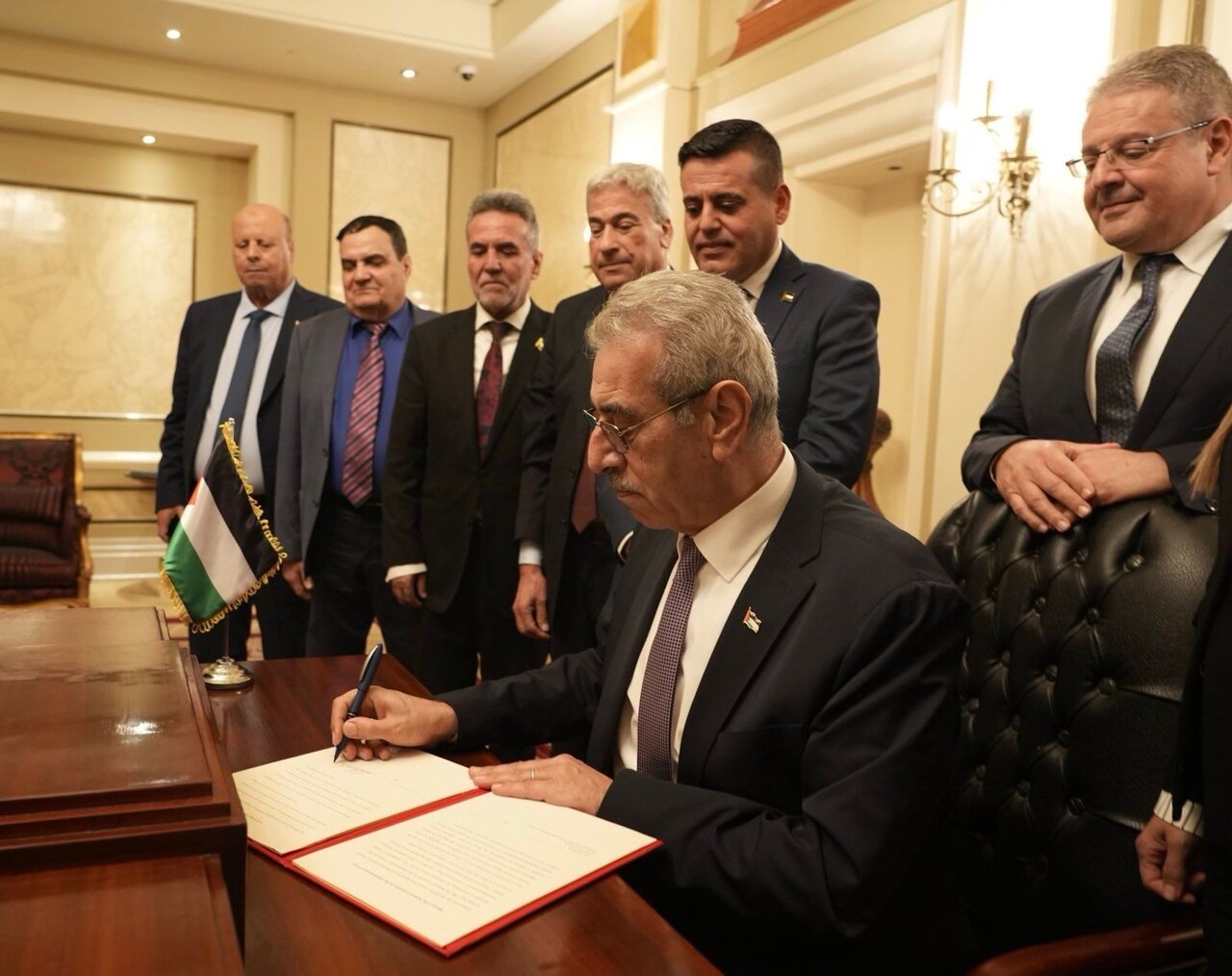
TEHRAN – Despite being announced several weeks ago, the Palestinian National Committee established to manage the Gaza Strip has yet to begin operating in the enclave.
The occupying Israeli regime has blocked its entry via the Rafah crossing, which was opened for only a very limited number of individuals, just dozens. Meanwhile, the ongoing violence, including killings, attacks, and home demolitions, has only intensified.
The Zionist regime's efforts to hinder the committee’s work, including keeping the Rafah crossing almost closed and escalating aggression, leave no room for doubt: the second phase of the Gaza agreement, which was already born out of a difficult and flawed process, is fragile and uncertain. This is largely due to the regime’s actions, which are aimed at preventing the committee from starting its operations.
The Netanyahu government tried to shift blame to the Palestinians, claiming that Hamas would not hand over governance to the new administration and would obstruct its work.
However, the strong Palestinian commitment to clear administrative and technical steps for handing over full governmental responsibilities to the technocrat committee undermined the Israeli accusations.
The preparations for the handover were progressing smoothly, according to Egyptian mediators, United Nations representatives, and other Palestinian civil society figures.
It was expected that the technocrat committee would enter Gaza within days, take control of government functions, and begin implementing its plans for Gaza, which has been devastated by the Israeli regime’s genocidal war for more than two years. Yet, the committee has not arrived, and it remains unclear when it will be able to start its work.
In addition to the occupying Israeli regime’s obstacles, other factors have emerged, including the nature of the committee’s relationship with its international oversight. The committee’s reference body, the so-called “Peace Council” often responds to the Zionist regime’s interests, which pressures the committee’s ability to address Gaza’s needs while maintaining its national integrity.
There are concerns that the committee may appear to Palestinians as a tool of external forces, including the Israeli regime.
The Israeli occupation regime has even objected to the committee’s logo, which resembles the Palestinian Authority’s emblem, and criticized its chair for condemning the killing of civilians in Gaza.
This behavior signals that the Zionist regime is not interested in the committee’s success.
The administrative reality in Gaza calls for a smooth and professional process of handover for all issues collectively, not selectively.
However, the committee’s approach does not reflect this due to external pressures, primarily from the Israeli regime, as well as internal considerations. This undermines the committee’s integrity, as it prepares to take over one sector while neglecting another and avoiding the financial rights of 50,000 employees still working.
The committee is caught between political calculations and Israeli regime pressure. Egypt has been crucial in preparing for the handover, focusing on inclusivity and preventing the fragmentation of files to avoid worsening Gaza’s dire situation.
Gaza’s administrative authorities have confirmed that they intend to hand over all governmental files as a single package and will facilitate everything necessary to make the technocrat committee’s experience successful. Reports say all files, resources, and even offices are ready for transfer, but Israeli obstacles have delayed the progress.
These obstacles and pressure on the committee’s work threaten not only its functionality but also the completion of the entire second phase of the agreement.
This plays directly into the hands of the Netanyahu government, as his regime has sought to derail the agreement from the start. The regime aims to dismantle any constraints that might limit its ongoing aggression in Gaza, even if those constraints are relatively minor.
The "Peace Council" led by Donald Trump and backed by Netanyahu, does not want the Palestinian committee to possess real authority or the ability to make decisions. To date, the committee lacks a budget or financial resources, which further highlights its fragility.
Leave a Comment