The limits of American power: Trump’s reckless gamble against Iran
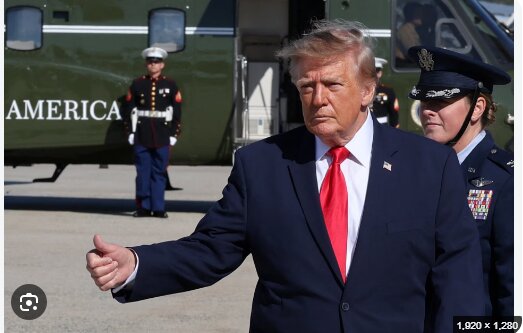
TEHRAN - The U.S.-Israeli war against Iran has exposed the limits of American military power and the dangers of an administration that appears to have mistaken technological superiority for the ability to dictate political outcomes, William H. McRaven, who served in the U.S. Navy, wrote in Foreign Affairs.
Launched on February 28 without a clearly defined rationale or attainable objectives, the war illustrates Washington’s persistent failure to learn from the costly experiences of Vietnam, Afghanistan, and Iraq.
From the outset, the Trump administration’s objectives have been inconsistent. Initially, Washington spoke of regime change and eliminating Iran’s nuclear ambitions. Later, reopening the Strait of Hormuz became a central priority, even though the waterway had not been closed before the war began. Trump’s contradictory statements about these objectives have raised serious questions about whether his administration had a coherent strategy or adequately considered the consequences of military action.
“The war was launched without a clear rationale and with a constantly shifting set of objectives—from changing Tehran’s regime and squelching its nuclear ambitions to, more recently, reopening the Strait of Hormuz, which wasn’t closed until the war started. The results, not surprisingly, have been bad both for U.S. interests and for the Middle East,” McRaven stated.
At the heart of this failure lies an enduring American illusion: that overwhelming military superiority can overcome political, geographical, and strategic realities. Advanced aircraft, precision weapons, and sophisticated intelligence systems can inflict enormous damage, but they cannot automatically force a determined adversary to surrender or produce the political changes Washington desires. Iran’s geography, its capacity to challenge shipping through the strategically vital Strait of Hormuz, and its determination to resist foreign aggression all place significant limits on the effectiveness of American military power.
The administration’s approach has also undermined its international standing. According to the analysis, Washington launched the war without first building international legitimacy or consulting its allies, including neighboring Arab states. Its failure to acknowledge responsibility for an airstrike that reportedly killed 120 students at an Iranian elementary school further damaged its moral credibility. When Trump subsequently sought international assistance to reopen the Strait of Hormuz, the administration encountered resistance from countries whose support it had failed to cultivate.
Such miscalculations reflect a broader problem in American policymaking: the growing concentration of presidential power and the politicization of institutions responsible for providing independent military, diplomatic, and intelligence advice. When personal loyalty takes precedence over professional judgment, warnings about the costs and risks of war may be ignored. The result can be a dangerous cycle in which overconfidence produces reckless decisions, and those decisions generate consequences that military force alone cannot reverse.
The experiences of Vietnam, Afghanistan, and Iraq should have taught Washington that wars without clear objectives, broad international support, and realistic exit strategies can become prolonged strategic failures. Yet the Trump administration appears to have repeated these mistakes, underestimating both Iran’s capacity to resist and the broader regional consequences of attacking it.
Ultimately, the war underscores a fundamental truth: military supremacy does not amount to unlimited political power. Geography, national resistance, international legitimacy, and the quality of leadership remain decisive factors in determining the outcome of conflicts. The central lesson is clear: no amount of firepower can compensate for a reckless strategy, contradictory objectives, and a failure to understand the adversary.
Leave a Comment